
Bed Bug Bites: What They Look Like and What They Mean
Most people search for bed bug bites hoping it’s something else.
But if you’re here, there’s a reason—and ignoring it can allow the problem to spread further into your home.
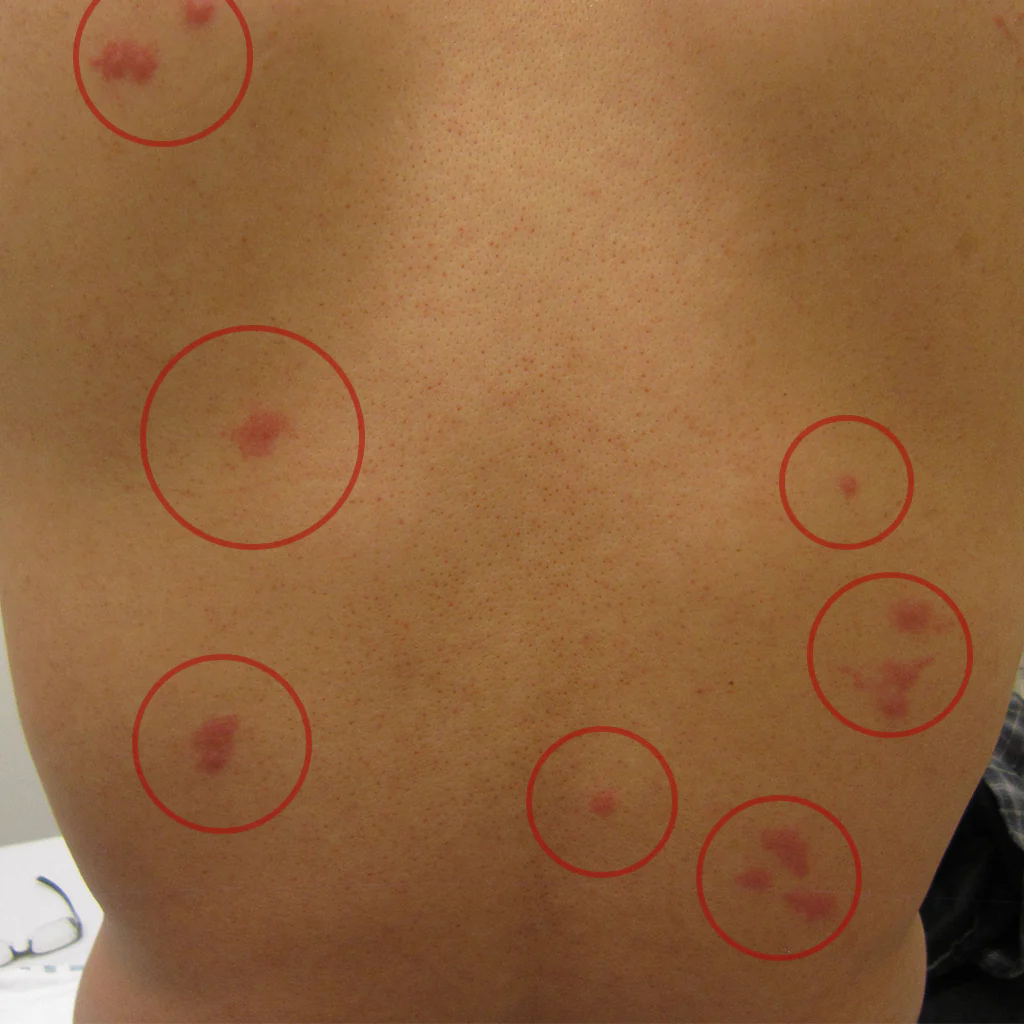
What Do Bed Bug Bites Look Like?
Waking up with itchy red bites is often the first warning sign of a bed bug infestation. Many homeowners initially believe the bites are caused by mosquitoes, spiders, allergies, or dry skin, only to discover weeks later that bed bugs have already spread throughout the home.
Bed bug bites are more than just irritating skin reactions. They are evidence that bed bugs are actively feeding and reproducing nearby. Once bed bugs begin feeding regularly, the infestation can spread quickly into mattresses, furniture, couches, recliners, wall voids, outlets, and surrounding rooms.
Understanding what bed bug bites look like can help homeowners recognize an infestation early before it becomes severe and much more difficult to eliminate.
If you are still waking up with unexplained bites, especially after DIY sprays or previous treatments, immediate professional inspection is strongly recommended.
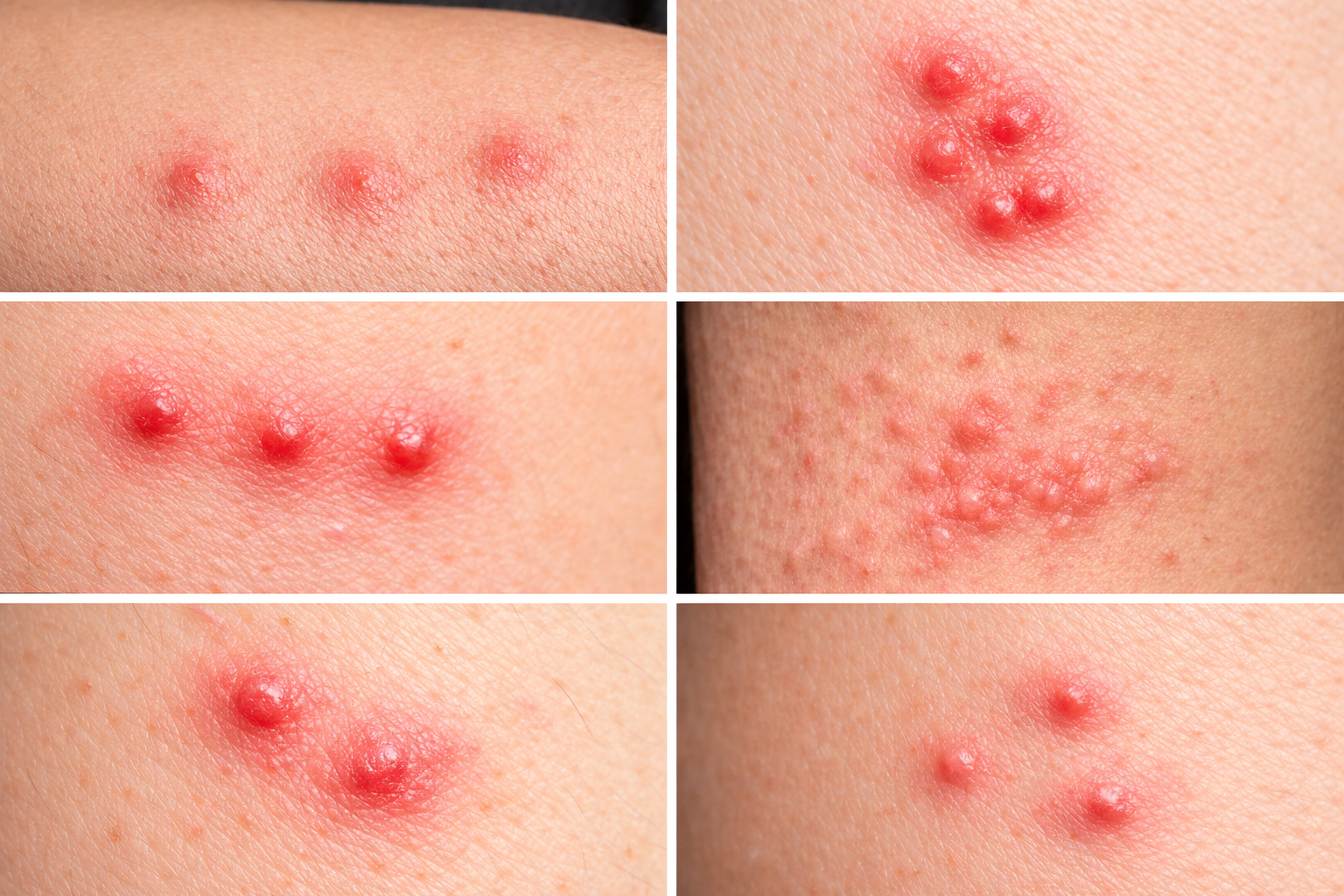
Understanding Bed Bug Bite Patterns
Bed bug bites can appear in several recognizable patterns, but the pattern itself is not always consistent. Many people assume bites will always appear in a straight line, but in reality bite patterns vary depending on how the insect feeds and how the person moves during sleep.
Understanding how bed bugs feed helps explain why bite patterns often appear in rows, clusters, or several bites close together.
Feeding Interruptions During Sleep
Bed bugs feed at night when people are asleep. A typical feeding session lasts 5–10 minutes, during which the insect inserts its piercing mouthparts into the skin and extracts blood.
However, people frequently shift or move while sleeping. When this happens, the feeding bed bug may be interrupted and forced to move a short distance before attempting to feed again.
This can create bite patterns that appear as:
-
Rows of bites
-
Clusters of bites
-
Two or three bites in the same small area
These patterns are sometimes called the “breakfast, lunch, and dinner” pattern, although not every infestation produces this exact pattern.
Because feeding attempts may be interrupted several times, a single bed bug may create multiple bite marks during one night.
Foraging Behavior
Bed bugs do not wander randomly across the skin. Instead, they search for areas where blood vessels are closer to the surface.
This behavior is known as probing, where the insect briefly inserts its mouthparts into the skin to test whether it has reached a suitable blood source.
If the bed bug does not reach a blood vessel, it withdraws and moves slightly before probing again.
This probing behavior can create several bite marks close together, even when only one insect is feeding.
Bed bugs have needle-like piercing mouthparts designed specifically to penetrate skin and draw blood.
During feeding they also inject a small amount of saliva containing:
-
anticoagulants (to keep blood flowing)
-
mild anesthetics (so the host does not immediately feel the bite)
Because of this anesthetic effect, most people do not feel the bite while it is happening.
How Often Bed Bugs Feed
A single bed bug typically feeds about once every 3–7 days, although feeding frequency depends on:
-
temperature
-
access to a host
-
the insect’s life stage
After feeding, the bug returns to its hiding place, often located in seams, cracks, or nearby furniture.
There it will:
-
digest the blood meal
-
produce waste
-
molt into the next developmental stage
Bed bugs must feed several times as they grow. A young bed bug (called a nymph) requires 5–7 blood meals before becoming an adult.
Once they reach adulthood, females begin laying eggs and the infestation can grow quickly.
As populations increase, the number of bites on occupants often increases as well.
Why Bite Reactions Can Be Delayed
The Moment of Suspicion
Most people don’t discover bed bugs by seeing a bug crawling across the bed. Instead, the first warning sign appears on their skin. Someone wakes up in the morning and notices a small itchy bump that wasn’t there the night before. At first it may seem like nothing more than a mosquito bite or minor irritation.
The Confusion
Many people assume the irritation must be something else. It might be mistaken for a spider bite, hives, a rash, or even an allergic reaction to something in the environment. Some people believe it may be irritation from wool clothing, detergent, or grass. Because the bites can look similar in the mirror, bed bugs are rarely the first explanation people consider.
The Realization
But then something unusual happens. The itching doesn’t fade like most insect bites. Instead, more bites begin appearing overnight. The itching becomes more intense, and the bites often appear in small clusters or lines. This is the moment many people begin to suspect that the problem may not be a simple insect bite at all.
When Bites Start Appearing Overnight
If you are waking up with new itchy bites that weren’t there the night before, especially if the bites appear in clusters or lines, it may be time to take the situation seriously. Bed bugs often feed while people sleep, and the bites are sometimes the first sign that an infestation may already be present in the sleeping area.
Many homeowners wait weeks hoping the problem will disappear, only to discover the infestation has spread to furniture, couches, or nearby rooms. A professional inspection can confirm whether bed bugs are present and stop the problem before it becomes more difficult to eliminate.
A thorough bed bug inspection can identify where the insects are hiding and determine how severe the infestation has become.
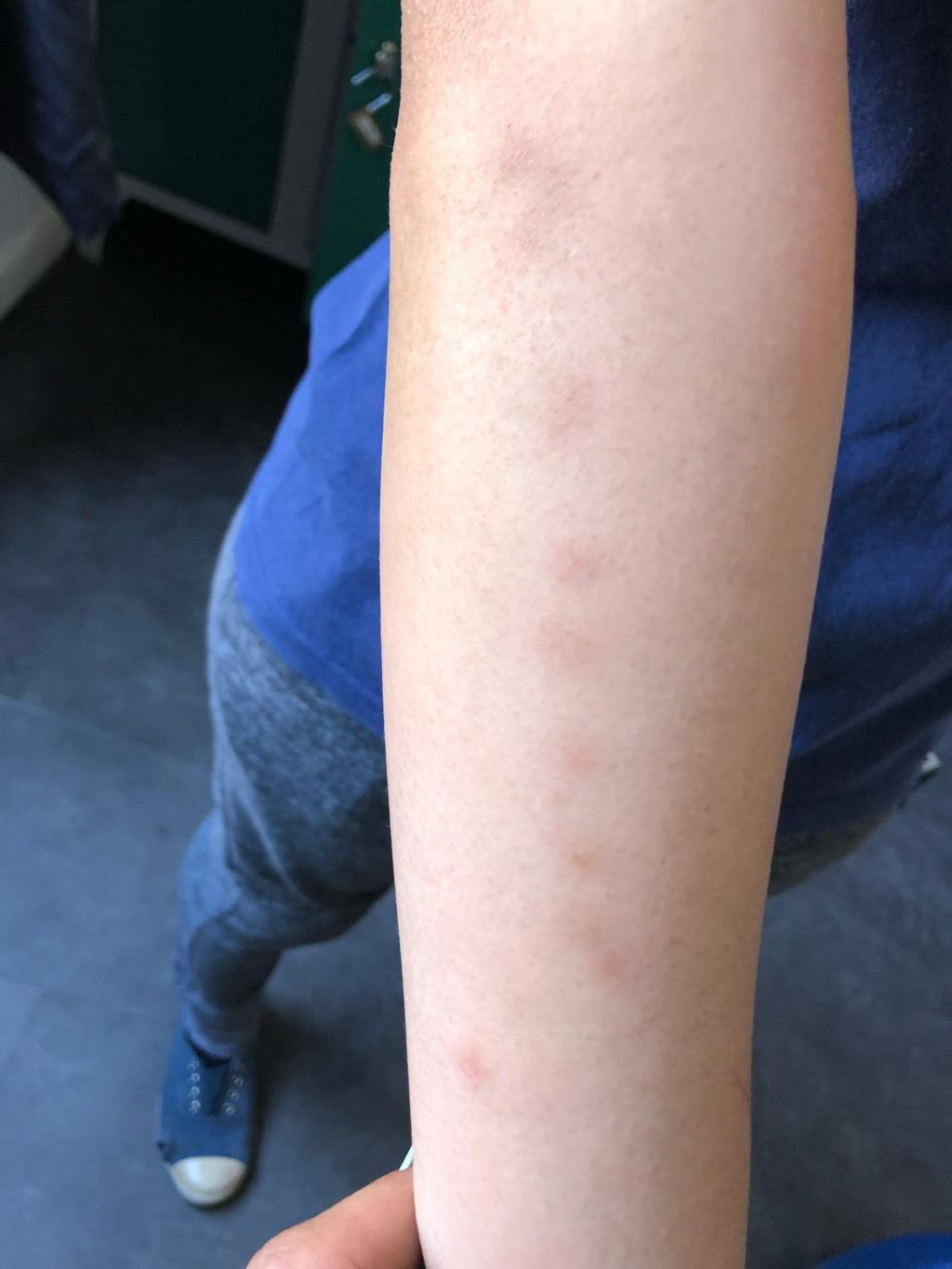
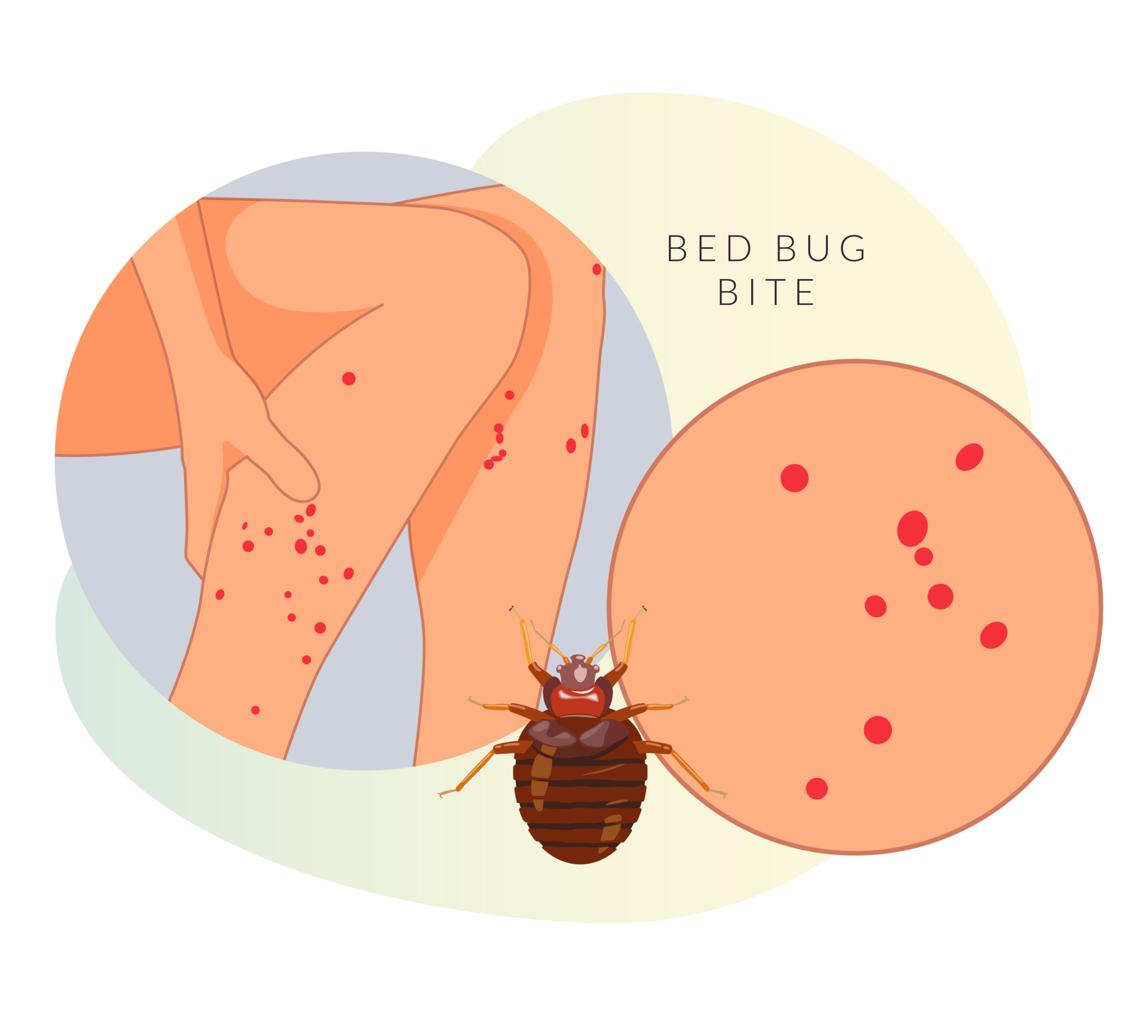
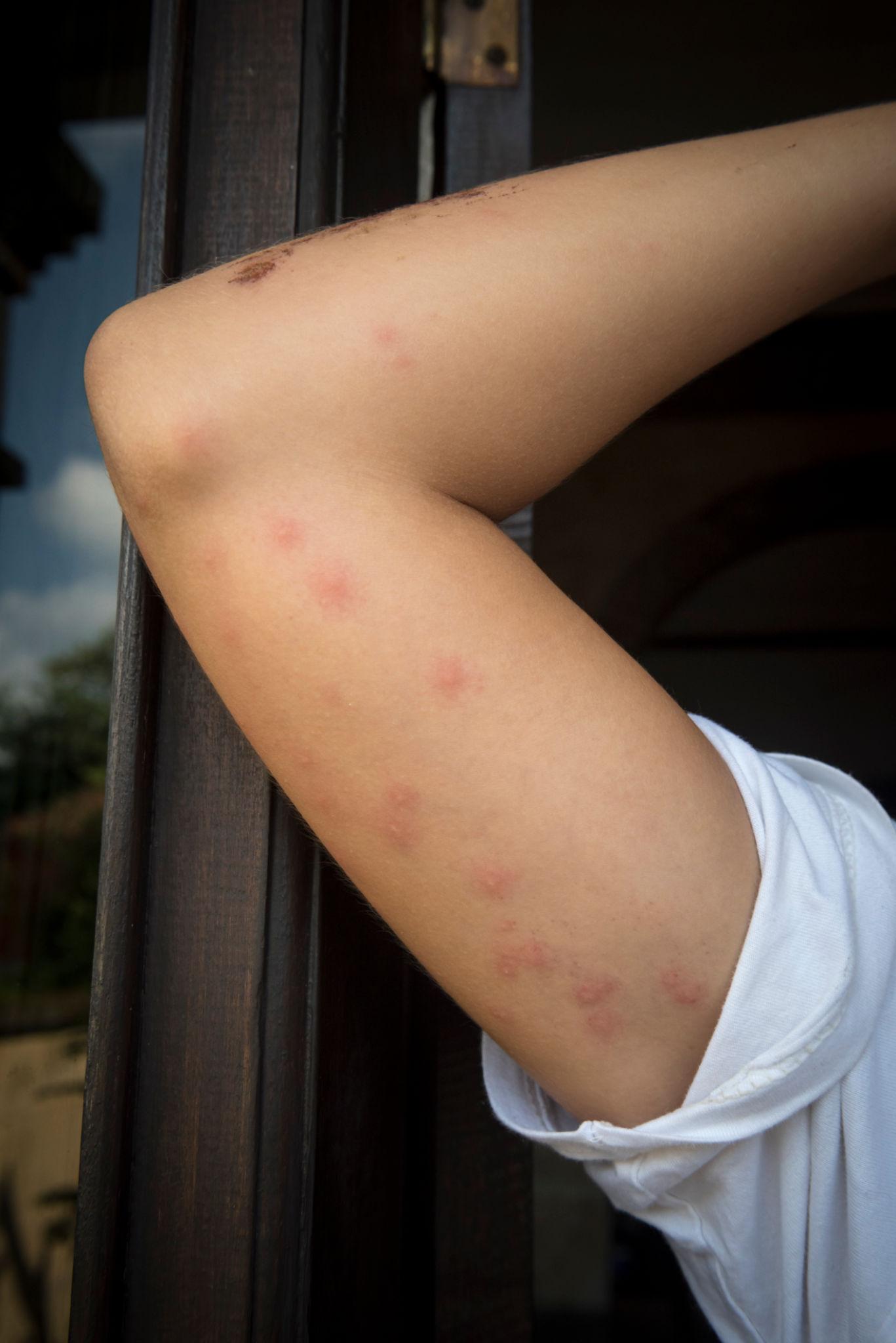
Signs, Patterns, and How to Tell if Bed Bugs Are Biting You
Most people discover bed bugs long before they ever see one.
It usually begins with something simple: you wake up one morning and notice an itchy spot on your skin that was not there the night before.
At first it may seem harmless. Many people assume the irritation is something completely unrelated to insects.
Common explanations people consider include:
• spider bites
• hives
• allergic reactions
• skin irritation from fabrics such as wool
• fungal infections
• reactions to grass or environmental allergens
Because these conditions can look similar when you glance at them in the mirror, it is easy to dismiss the possibility of bed bugs at first.
But bed bug bites tend to behave very differently from most other skin irritations.
And over time, the difference becomes harder to ignore.
If bites continue appearing overnight, a professional bed bug exterminator can inspect the sleeping areas and confirm whether an infestation is present.
The One Characteristic That Makes Bed Bug Bites Different
One of the most noticeable traits of bed bug bites is persistent, escalating itching.
A spider bite usually appears as a single bite. You might notice it, look at it briefly, and forget about it within a few hours.
Bed bug bites rarely behave that way.
Instead, people often experience:
• multiple bites appearing overnight
• itching that continues for hours or days
• irritation that becomes more intense over time
For some individuals, the itching can become severe enough that scratching causes significant irritation. In extreme cases, repeated scratching may lead to small open sores or ulcer-like skin damage.
Because bed bugs feed while people sleep, the bites often appear the morning after a night of feeding.
That is why many people say the same thing:
“I went to bed fine, but woke up covered in itchy bites.”
Why Bed Bug Bites Often Appear Before You Ever See a Bug
Bed bugs are extremely good at hiding.
They spend most of their time in small cracks and seams close to where people sleep, including:
• mattress seams
• bed frames
• headboards
• couches and recliners
• nightstands
• wall molding
• electrical outlets
• curtain folds
Because they remain hidden during the day, many infestations go unnoticed until the bites start appearing.
It is common for homeowners to experience bites for weeks before ever seeing a bed bug.
Common Characteristics of Bed Bug Bites
Although reactions vary from person to person, bed bug bites often share several recognizable traits.
Typical characteristics include:
• small red bumps
• intense itching
• bites appearing overnight
• bites grouped together
• bites appearing in lines or clusters
Bed bugs often feed multiple times while moving across the skin. This can create the distinctive line or cluster pattern that many people associate with bed bug bites.
Bed Bug Bite Patterns
Unlike many other insects, bed bugs frequently bite multiple times during a feeding session.
This can create patterns such as:
• rows of bites
• clusters of bites
• zig-zag patterns across exposed skin
These patterns occur because the insect moves slightly between feedings.
Seeing several bites close together after sleeping is one of the strongest indicators of bed bug activity.
Bed Bug Bites vs Spider Bites
Spider bites are one of the most common misdiagnoses.
Typical spider bites:
• usually occur as a single bite
• rarely appear overnight in clusters
• discomfort often fades quickly
Bed bug bites behave differently.
Bed bug bites:
• appear in groups
• appear overnight
• itch intensely
• may appear repeatedly over several nights
If you are waking up with several bites at once, bed bugs are far more likely than spiders.
Bed Bug Bites vs Mosquito Bites
Mosquito bites usually occur outdoors and appear randomly on the body.
Mosquito bites:
• random locations
• usually outdoors
• isolated bumps
Bed bug bites:
• appear after sleeping
• often occur in clusters
• usually occur indoors
Because bed bugs feed while people sleep, the bites are often concentrated in areas exposed during the night.
Where Bed Bug Bites Usually Appear on the Body
Bed bugs typically bite areas of skin that are exposed while sleeping.
Common locations include:
• arms
• shoulders
• neck
• upper back
• legs
• hands
If a person sleeps with certain parts of their body uncovered, those areas are more likely to show bites.
Why Some People React More Than Others
Not everyone reacts to bed bug bites in the same way.
Some people develop:
• large itchy welts
• swelling
• clusters of visible bites
Others may show very little reaction at all.
Because of this, two people sleeping in the same bed may have very different experiences. One person may develop severe itching while the other shows almost no visible bites.
This difference in reaction sometimes delays the discovery of infestations.
How Long Bed Bug Bites Last
Bed bug bites can remain visible for several days.
In some people, itching and irritation may last longer than typical insect bites.
Because bed bugs feed repeatedly, new bites may appear before older ones have fully healed.
This pattern of new bites appearing regularly is one of the strongest signs of an active infestation.
Other Signs That You May Have Bed Bugs
Bites alone do not confirm a bed bug infestation.
Other common signs include:
• dark spots on mattress seams
• blood stains on sheets
• shed bed bug skins
• live insects hiding in furniture
Bed bugs are commonly found hiding in areas very close to where people sleep.
Learn more here:
Why Bed Bug Infestations Spread Quickly
Once bed bugs establish themselves in a sleeping area, infestations can spread to nearby furniture such as:
• couches
• recliners
• nightstands
• nearby bedrooms
Because bed bugs reproduce quickly, infestations can grow rapidly if they are not treated properly.
Learn more about how quickly infestations grow here:
When to Schedule a Bed Bug Inspection
If you are waking up with unexplained bites or noticing new bites appearing overnight, it may be time for a professional inspection.
A trained technician can inspect the areas where bed bugs hide and determine whether an infestation is present.
Early detection can prevent bed bugs from spreading to additional rooms or furniture.
Frequently Asked Questions About Bed Bug Bites
Do bed bug bites itch immediately?
Some people notice itching right away, while others may not react until several hours or even days later.
Do bed bug bites appear in lines?
Yes. Because bed bugs often feed multiple times while moving across the skin, bites may appear in lines or clusters.
Can bed bug bites look like a rash?
Yes. Some individuals develop redness or swelling that resembles a rash or allergic reaction.
Do bed bug bites happen every night?
If bed bugs are present, bites may appear repeatedly as the insects continue feeding.
Schedule a Bed Bug Inspection
Hi-Tech Pest Control provides professional bed bug inspection and treatment services throughout Southeast Michigan.
If you suspect bed bugs in your home, an inspection can confirm the infestation and eliminate the problem before it spreads further.
Schedule a Bed Bug Inspection