
If You’re Seeing Bites… It’s Already Worse Than You Think
Bed bugs don’t stay in one place. They spread silently through your home—until it’s everywhere. ✅ Call Now✅ Schedule InspectionWhat Causes Bed Bugs to Spread So Fast in a Home?
Bed bugs spread quickly in residential environments because of how they are biologically programmed to survive and reproduce. Unlike other pests, they do not rely on food sources like crumbs or waste — they rely entirely on human hosts.
Bed bugs (scientifically known as Cimex lectularius) are:
- Nocturnal parasites
- Attracted to body heat and carbon dioxide
- Capable of hiding in extremely small cracks
- Able to survive months without feeding
Because of these characteristics, a bed bug infestation does not stay isolated.
Once introduced into a home, bed bugs begin expanding outward from the sleeping area in a predictable pattern. This expansion accelerates as population density increases, forcing them to seek new harborage areas.
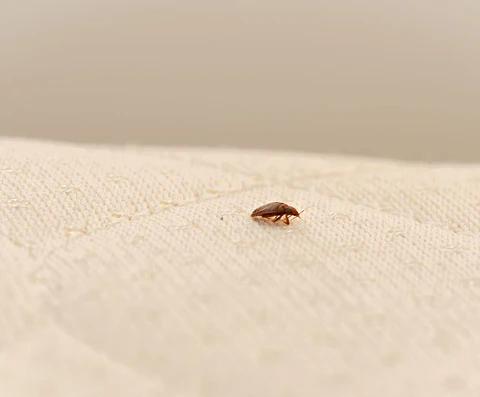
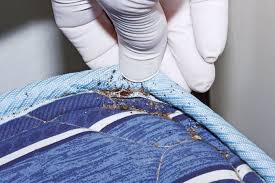

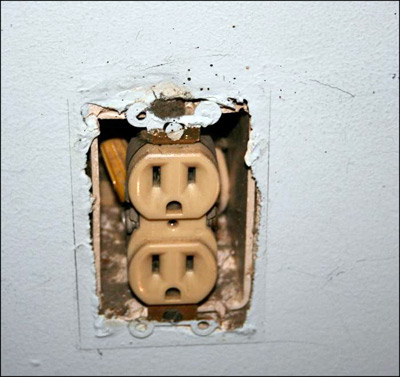
How Fast Do Bed Bugs Spread?
Bed bugs can begin spreading within days of entering a home and can infest multiple rooms within 4 to 8 weeks if left untreated. In severe cases, a full-home infestation can develop in 2 to 3 months.
Key factors that affect spread speed:
- Number of bugs introduced
- Access to a host (sleeping patterns)
- Home layout and clutter levels
- DIY treatment attempts
- Multi-unit vs single-family structure
The more they feed, the faster they multiply and spread.
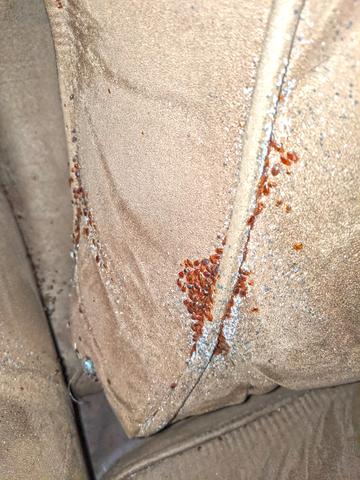
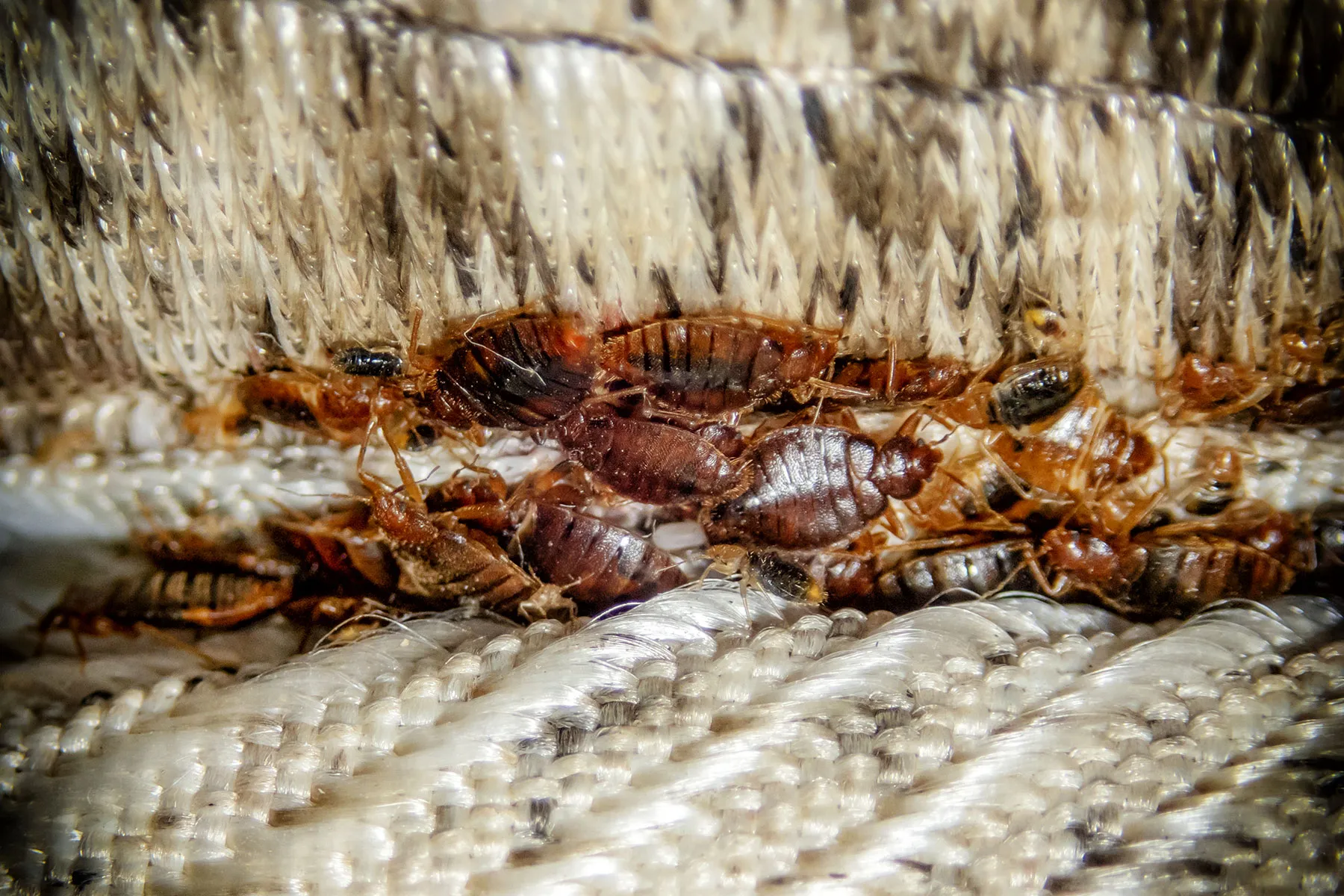
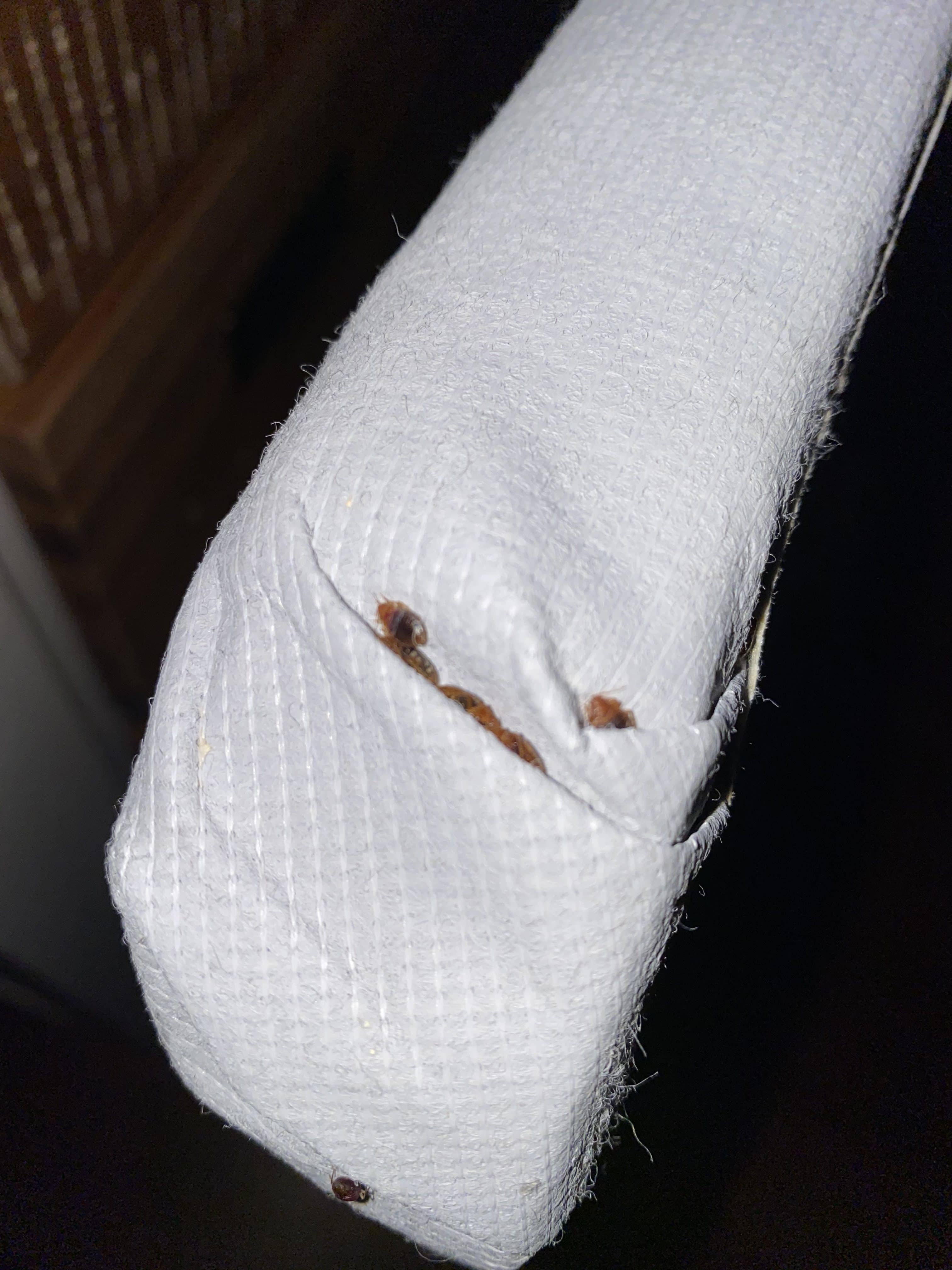
Do Bed Bugs Stay in One Room or Spread Throughout the House?
Bed bugs do not stay confined to one room.
They begin near the host (typically a bed), but as the population grows or conditions change, they migrate to:
- Adjacent rooms
- Living rooms and couches
- Walls and structural voids
- Neighboring units in apartments
This is why many homeowners mistakenly believe the problem “suddenly appeared everywhere.”
In reality, the infestation has been expanding gradually and invisibly.
How Do You Know If Bed Bugs Have Already Spread?
If you are experiencing any of the following, the infestation is likely beyond a single location:
- Bites appearing in different rooms
- Seeing bugs outside the bedroom
- Finding signs in couches or chairs
- Increased frequency of bites
- Spotting shed skins or droppings
At this stage, containment becomes significantly more difficult without professional intervention.
Why Bed Bug Infestations Get Worse So Quickly
Most infestations accelerate due to incorrect initial response.
Common mistakes include:
- Using over-the-counter sprays
- Applying alcohol or foggers
- Treating only one room
- Delaying professional inspection
These actions do not eliminate bed bugs — they disperse them.
Once disturbed, bed bugs relocate deeper into the structure, increasing the spread and making elimination more complex.
Professional Bed Bug Control vs DIY Methods
Effective bed bug control requires:
- Identifying all infestation zones
- Eliminating all life stages (eggs, nymphs, adults)
- Preventing migration during treatment
Most over-the-counter methods fail because they do not address the full lifecycle or hidden populations.
This is why many infestations return — not because bed bugs are impossible to eliminate, but because they were never fully eradicated.
If you know you have bed bugs, they are not just spreading — they have already spread.
Most people think bed bugs slowly spread from one room to another.
That’s not how it works.
By the time you notice bites, the infestation has already begun expanding beyond where it started.
Bed bugs are introduced silently, multiply quickly, and move through your home faster than most people realize.
If you’re asking how fast they spread, you’re already in the middle of it.
Stop Bed Bugs Before They Spread Further
Bed Bug Spread Timeline (What Actually Happens)
Bed Bug Spread Timeline (What Actually Happens)
Week 0: Introduction
- Nymphs are brought in on clothing, bags, furniture
- Dropped onto couch or bed
- Remain localized temporarily
Weeks 3–4: Reproduction Begins
- Nymphs mature into adults
- Mating begins immediately
- Eggs are laid in hidden areas
Still appears limited—but growing rapidly
4–6 Weeks: First Spread
- Hitchhiking begins
- Couch → bed
- One person → others
2–3 Months: Multi-Room Infestation
- Bedrooms become affected
- Furniture becomes infested
3–5 Months: Full Home Infestation
- Couches, recliners, chairs
- Carpets, curtains, walls
- Outlets, baseboards, heat registers
Now the entire home is involved
Learn more about our bed bug exterminator services in Livonia
Why Bed Bugs Spread Faster After Treatment Attempts
When people try:
- Sprays
- Alcohol
- Store products
Bed bugs:
- Go into hiding
- Spread faster
- Attach to people and clothing
Instead of killing them, you force them deeper into your home
According to the Centers for Disease Control and Prevention, bed bugs are excellent at hiding and can spread quickly through human movement and belongings.
Bed Bugs Do Not Stay in One Room
- You cannot treat one area
- You cannot guess where they are
- You cannot rely on partial treatments
If you see them in one place, they are already in others




Bed Bug Problems in Homes Across Westland and Surrounding Areas
Bed bug infestations are increasingly common in residential homes, apartments, and multi-unit buildings throughout:
- Westland
- Livonia
- Canton
- Dearborn
- Detroit
Due to shared walls, travel, and population density, infestations can spread quickly between homes and units if not addressed properly.
FAQ SECTION
How quickly can bed bugs infest an entire house?
In some cases, a home can become fully infested in as little as 2–3 months, depending on conditions like 2 or more humans in the home, or ambulatory people who spend all of their time in their beds or recliners, and response time.
Can bed bugs spread through walls?
Yes, but most people do not let it get to that unhealthy stage, bed bugs can travel through wall voids, and plumbing lines, especially in apartments and multi-unit buildings.
Do bed bugs spread if you sleep in another room?
Yes — this often makes the problem worse by spreading them to new areas of the home.
Will cleaning stop bed bugs from spreading?
No. Cleaning products will have a repelling affect like alcohol or insecticides, While cleaning helps reduce clutter and nesting areas, it does not eliminate bed bugs or stop their spread.
The Reality Most Homeowners Discover Too Late
By the time you’re researching how fast bed bugs spread, the infestation is no longer in its early stage.
What feels like a small problem is often:
- Already established
- Already reproducing
- Already expanding
The difference between a contained issue and a full-home infestation is time and response.