Ant Control in Michigan | Professional Ant Exterminators
Fast inspection. Correct identification. Complete elimination for homes and businesses. Get Rid of Ants Fast Call Now (248-569-8001)Southeast Michigan · Same-Day Ant Control Available
Ant Exterminator Michigan
Same-Day Ant Control & Colony Elimination
Pavement ants. Odorous house ants. Little black ants. No matter what type of ants are invading your Michigan home, Hi-Tech eliminates the colony — not just the ants you can see. Serving Wayne, Oakland & Macomb County since 1986.
Ant Exterminator in Southeast Michigan — Colony Elimination, One Visit
If you're spraying ants and they keep coming back, you're treating the symptom — not the source. The ants you see on your counter or along your baseboards are foragers: a small fraction of a colony that may contain hundreds of thousands of workers nesting inside your walls, beneath your foundation, or in the soil directly under your home. Killing foragers with a store-bought spray does not affect the colony — in some species it makes the infestation significantly worse.
Hi-Tech Pest Control has been eliminating ant colonies across Wayne, Oakland, and Macomb County since 1986. We identify the exact species — because treatment approach differs — locate the colony, and eliminate it at the source in one visit. No repeated return trips. No false promises. Honest quote before any work begins.
Seeing large black ants — especially at night or near windows in spring? Those are likely carpenter ants, which tunnel through wood and cause structural damage. That's a different problem requiring different treatment. See our dedicated Carpenter Ant Control page →
Common Ant Species in Southeast Michigan — Know What You Have
Correct identification matters. Pavement ant treatment is different from odorous house ant treatment, which is different from pharaoh ant treatment. Applying the wrong product to the wrong species can scatter the colony and make elimination far more difficult. Hi-Tech identifies your species correctly before any treatment begins.
Pavement Ants
The most common ant in Southeast Michigan. Small (1/16 inch), dark brown to black, with faint parallel lines on head and thorax. Nest under sidewalks, driveways, patios, and slab foundations — pushing small mounds of displaced dirt to the surface. Inside the home, they trail along baseboards to kitchens and bathrooms in search of food and water.
Key sign: Fine dirt mounds pushed up through cracks in concrete or along foundation edges.
Odorous House Ants
Michigan's second most common household ant. Small (1/16–1/8 inch), dark brown to black. Named for the distinctive rotten-coconut smell they produce when crushed. Highly adaptable — nest inside walls, beneath flooring, inside insulation, and outdoors under debris. Strongly attracted to sweets and often found in kitchens trailing to sugar sources, juice spills, or fruit.
Key sign: Crush one between your fingers — a sharp, rotten coconut smell confirms odorous house ants.
Little Black Ants
Among the smallest ants in Michigan (1/16 inch), jet black and shiny. Nest outdoors in soil, under rocks, and in decaying wood, but readily enter homes through the smallest foundation gaps in search of food. Trails to kitchens, bathrooms, and pantries are common in summer. Colonies can contain tens of thousands of workers and multiple queens, making DIY treatment ineffective.
Key sign: Very small, very black, very shiny — moving in tight defined trails along walls and counters.
Pharaoh Ants
Tiny (1/16 inch), pale yellow to light orange with a darker abdomen. One of the most difficult ant species to eliminate — pharaoh ant colonies have multiple queens and split into new satellite colonies when threatened by pesticide application. Standard spray treatment makes pharaoh ant infestations dramatically worse. Extremely common in apartment buildings, hospitals, and multi-unit housing throughout Southeast Michigan.
Warning: Never spray pharaoh ants with consumer products — colony splitting spreads the infestation throughout the building.
Acrobat Ants
Small to medium (1/16–1/8 inch), light brown to black, identifiable by their distinctive habit of raising the heart-shaped abdomen over the thorax when disturbed. Nest in moist or previously damaged wood — making them a common find in Southeast Michigan homes with prior water damage around windows, doors, and roof edges. Often mistaken for carpenter ants by homeowners.
Key sign: Ants near moisture-damaged wood that raise their abdomen upward when disturbed.
Carpenter Ants
Michigan's most destructive ant species. Large (½ inch+), solid black or black-and-red. Unlike nuisance ants, carpenter ants tunnel through wood to build nesting galleries — causing structural damage that compounds every season they go untreated. If you're seeing large black ants inside your home, especially at night, you need carpenter ant treatment — not general ant control.
Different treatment required: See our dedicated Carpenter Ant Control page →
Why Southeast Michigan Homes Get Ants Every Year
Ant infestations in Southeast Michigan follow predictable seasonal and structural patterns. Understanding why ants enter your home is the first step to understanding why store-bought treatments consistently fail to stop them.
Michigan's Freeze-Thaw Cycles
Michigan winters force ant colonies to survive by moving deeper into soil or into the warm interior of your home. When spring arrives and soil temperatures rise above 50°F, colonies emerge and expand aggressively — foraging in all directions for the food and water needed to support explosive population growth. This is why Michigan homeowners see ants suddenly surge every April and May.
Older Housing Foundation Gaps
Southeast Michigan's housing stock — much of it built between the 1940s and 1970s — has foundation gaps, mortar cracks, utility penetrations, and sill plate gaps that ants exploit as entry points. Pavement ants nesting directly beneath slab foundations can enter homes through the smallest hairline cracks without any visible entry point at the surface.
Food and Moisture Sources
Once scout ants locate food or moisture inside a home, they lay chemical pheromone trails back to the colony — recruiting hundreds of workers to the same path within hours. Common attractants include kitchen spills, pet food left out overnight, moisture under sinks, condensation around pipes, and unsealed pantry items. Eliminating attractants slows foraging but does not eliminate the colony.
Tree and Landscape Contact
Branches touching rooflines, mulch beds against foundations, and wood-to-soil contact at deck posts and stairs all serve as ant highways directly into your home. Southeast Michigan's tree-dense neighborhoods and heavily landscaped properties create more of these contact points than homes in newer, more open developments.
Why Spraying Ants Makes Some Infestations Worse
This is the most important thing to understand about ant control in Michigan — and the reason Hi-Tech receives dozens of calls every season from homeowners who have been spraying for weeks with worsening results.
The Spray-and-Scatter Problem
Consumer-grade ant sprays kill the foragers you can see. The colony — which may contain 50,000 to 500,000 workers and multiple queens hidden underground or inside your walls — is completely unaffected. Within hours, new foragers emerge to replace the ones you killed, following the same pheromone trails to the same food sources. You spray again. The colony grows larger.
The Colony-Splitting Problem
For certain Michigan species — particularly odorous house ants and pharaoh ants — repellent sprays trigger a survival response called budding. When workers sense a chemical threat, the colony deliberately splits: queens separate and establish new satellite colonies in different locations throughout your home. A single infestation becomes three or four. This is exactly why spraying sometimes turns a kitchen ant problem into a whole-house problem.
The only way to stop an ant infestation permanently is to eliminate the colony at its source — reaching the queens and the brood, not just the foragers on the surface. Hi-Tech's colony-targeted treatment is designed specifically to do this: product travels with foragers back into the nest, reaching areas no surface spray can touch.
Why Hi-Tech Gets Results When Store Products Don't
Every week Hi-Tech receives calls from Michigan homeowners who have been spraying ants for weeks or months without success. Here's the exact difference between what they tried and what Hi-Tech does.
❌ Store Sprays & DIY Treatments
- Kill only foragers — colony continues producing thousands more
- Repellent products scatter colonies into new areas of the home
- Pharaoh and odorous ant colonies split when threatened — infestation spreads
- No species identification — wrong product for wrong ant
- Bait traps often ignored when competing food sources are available
- Problem returns within days — sometimes worse than before
- Repeated purchase cost adds up — colony never actually eliminated
✓ Hi-Tech Pest Control
- Correct species identification before treatment begins
- Colony-targeted treatment reaches queens and brood — not just foragers
- Non-repellent product travels back to colony with foragers
- Eliminates satellite colonies, not just the visible trail
- Entry point assessment — where they're getting in and why
- One visit — ants stop within days, not weeks
- 40+ years of Southeast Michigan ant elimination experience
Michigan Ant Season — When Infestations Start and Why
Ant activity in Southeast Michigan follows a predictable seasonal cycle driven by soil temperature, colony growth, and the need to forage for food before winter. Knowing where you are in this cycle helps you understand the urgency of treatment.
March – April
Soil temperatures rise above 50°F. Overwintered colonies emerge from dormancy and begin foraging aggressively. First ant sightings in Michigan kitchens typically occur in March and April. This is the easiest treatment window — colonies are smaller and less established.
May – June
Peak foraging season. Colonies expanding rapidly — worker production at its highest. Pavement ant battles (swarms fighting at colony borders) are common in Michigan driveways in June. Indoor ant activity peaks as colonies forage aggressively for protein and sugar.
July – August
Colony sizes at maximum. Winged reproductives (swarmers) produced in preparation for mating flights. Indoor ant pressure remains high — especially in kitchens during hot weather when outdoor food and moisture sources become less reliable.
September – November
Colonies transition to winter preparation — foraging intensifies briefly as workers store resources. Species that overwinter indoors (odorous house ants, pharaoh ants) move deeper into wall voids and heated spaces. Outdoor species move below frost line.
Waiting until summer to address a spring ant problem is a mistake. Colonies grow exponentially through May and June — a small April infestation treated early costs a fraction of what a full-scale summer infestation requires to eliminate. Call Hi-Tech at 248-569-8001 at the first sign of ants in your Michigan home.
Our Ant Colony Elimination Process — Southeast Michigan
Hi-Tech's ant treatment process is built around one principle: eliminate the colony, not just the ants you can see. Every job in Southeast Michigan follows this four-step protocol — adapted to the specific species and nest location identified during the inspection.
Call or Request Online
We answer 7 days a week, 8:30 AM–10 PM. Same-day service available throughout all Southeast Michigan communities. If ants have been recurring for more than one season, tell us — it helps us assess colony maturity before arrival.
Species ID & Colony Assessment
We identify the exact ant species — pavement ant, odorous house ant, little black ant, pharaoh ant, or other — and locate all active trails, entry points, and likely colony locations. Honest, transparent quote before any work begins.
Colony-Targeted Treatment
Species-appropriate treatment applied to active trails, entry points, and nest locations. For budding-risk species, non-repellent products are used exclusively — product transfers back to the colony with foragers, reaching the queens and brood that surface sprays never touch.
Entry Point & Prevention Guidance
We identify the structural gaps, moisture conditions, and landscape contact points that gave ants access to your home — and provide clear guidance on the changes that will prevent re-entry next season.
General Ants vs. Carpenter Ants — Know the Difference
This is the most important distinction in Michigan ant control. Nuisance ants are a sanitation and comfort issue. Carpenter ants are a structural damage issue — and every season they go untreated, the damage gets worse.
General Nuisance Ants
- Small — 1/16 to 1/8 inch
- Dark brown, black, yellow, or orange
- Trail in defined lines to food and water
- Nest in soil, under concrete, inside walls
- Do not damage wood — nuisance and contamination risk only
- Treated with colony-targeted non-repellent products
Carpenter Ants — Structural Threat
- Large — ½ inch or bigger, solid black or black-and-red
- Active mostly at night
- Sawdust-like frass near walls, siding, or windows
- Tunnel through wood — weakening structure every season
- Untreated infestations cause thousands in structural repair
- Requires different, deeper colony-elimination treatment
Where Ants Enter Michigan Homes — Common Entry Points
Ants don't need a large opening to enter your home — pavement ants can squeeze through a crack 1/50th of an inch wide. These are the most common entry points Hi-Tech finds in Southeast Michigan homes during ant inspections:
Foundation & Exterior
- Hairline cracks in concrete block or poured foundation
- Gaps where siding meets the foundation
- Expansion joints in concrete slabs and garage floors
- Weep holes in brick veneer
- Spaces around utility penetrations (pipes, conduit, HVAC)
- Wood-to-soil contact at deck posts, steps, and landscaping
Doors, Windows & Roofline
- Door sweeps with gaps or worn seals
- Window frame gaps and aged caulk joints
- Tree branches and shrubs touching rooflines or siding
- Gaps around window air conditioner units
- Damaged or missing weatherstripping at garage doors
- Attic vents without fine mesh screening
How Much Does Ant Extermination Cost in Michigan?
Hi-Tech pricing for ant control is based on infestation severity, species, and home size — not a flat per-room rate. Free same-day inspection with a transparent quote before any work begins. No hidden fees. You know the full cost before the treatment starts.
| Severity | Cost Range | Typical Situation | Includes |
|---|---|---|---|
| Early / Minor | $150–$250 | Limited trail in one room, recent infestation | Colony-targeted treatment + entry point assessment |
| Most Common | $200–$350 | Active trails in kitchen/bath, established colony | Full colony treatment + prevention guidance |
| Severe / Multi-Area | $300–$500 | Multiple species, whole-home activity, recurring seasons | Full colony treatment + comprehensive entry point sealing |
| Apartments & Commercial | Custom quote | Multi-unit buildings, commercial kitchens, offices | Call 248-569-8001 |
One professional treatment with the correct product costs a fraction of what months of store-bought spray costs — while actually eliminating the colony. Free same-day inspection. Call 248-569-8001.
Who We Serve for Ant Control in Southeast Michigan
Homeowners
Single-family homes throughout Southeast Michigan — ranch homes, colonials, split-levels. Kitchen ants, bathroom ants, basement ants. One visit, colony eliminated.
Apartment Residents
Ant infestations in apartments often originate from neighboring units or from the building structure itself. We treat individual units and coordinate with management for building-wide treatment when needed.
Property Managers
Multi-unit ant infestations require coordinated treatment to prevent migration between units. Hi-Tech provides documentation, building-wide treatment plans, and ongoing prevention programs for property management portfolios.
Commercial & Food Service
Ant activity in restaurants, food service facilities, and offices creates health code and customer experience issues. Hi-Tech provides fast, discreet commercial ant control with minimal business disruption. Learn about commercial pest control.
What Southeast Michigan Homeowners Say About Hi-Tech
"I sprayed every ant trail in my kitchen for two months and they just kept coming back worse. Hi-Tech came out, identified what type of ant it was, explained exactly why the spray was making it worse, and treated the colony. Ants were gone within three days. Haven't seen one since."
"Every spring for four years we'd get ants pouring out from under the kitchen sink. Four years of spraying, traps, everything. Hi-Tech found a pavement ant colony under our slab foundation, treated it correctly, and we've had zero ants for two full seasons. Should have called them year one."
"We had ants spreading to four units in our building and couldn't figure out the source. Hi-Tech identified them as pharaoh ants, explained the budding problem with spray products, and treated the whole building correctly. Problem was resolved and they gave us a detailed report for our records."
Ant Exterminator — Southeast Michigan Service Areas
Hi-Tech provides same-day ant control throughout Wayne, Oakland, and Macomb Counties. We serve all of Southeast Michigan — click your city for local service information:
Ant Exterminator Michigan — Frequently Asked Questions
Why do ants keep coming back after I spray?
Store-bought spray kills the forager ants you see on the surface — but the colony that produced them, which may contain hundreds of thousands of workers and multiple queens hidden underground or inside your walls, is completely unaffected. Within hours, new foragers emerge to replace the ones you killed. For budding species like odorous house ants and pharaoh ants, repellent spray triggers a survival response that splits the colony into multiple satellite colonies — spreading the infestation to new areas. The only permanent solution is colony-targeted treatment that reaches the queens and brood, not just the ants on the surface. Call Hi-Tech at 248-569-8001 for same-day service.
What kind of ants are in my Michigan home?
The most common ants in Southeast Michigan homes are pavement ants (small, dark brown-black, trail from foundation cracks), odorous house ants (small, dark, smell like rotten coconut when crushed — common in kitchens), and little black ants (tiny, jet black, shiny). Pharaoh ants are common in apartment buildings and commercial properties. If you're seeing large (½ inch+) black ants, especially at night near windows or wood, those are likely carpenter ants — a structural pest that requires different treatment. Hi-Tech identifies the species correctly before any treatment begins.
Are small black ants in my Michigan house dangerous?
Common nuisance ants — pavement ants, odorous house ants, little black ants — do not sting (with rare exceptions) and do not cause structural damage. They are a sanitation and contamination concern: ants trailing across food preparation surfaces, into pantries, and across counters can contaminate food with bacteria from outdoor foraging paths. The primary risk is the infestation growing larger every season it goes untreated. Pharaoh ants in healthcare settings can transmit pathogens between patients — these require immediate professional attention regardless of the building type.
Why are there suddenly so many ants in my Michigan home in spring?
Michigan soil temperatures rise above 50°F in March and April, triggering ant colonies to emerge from winter dormancy and begin aggressive foraging. The colony that overwintered in or beneath your home sends scouts in every direction searching for food and water — you see a sudden surge of ants as foragers find their way to kitchen and bathroom sources. This surge is not a new infestation — it's the colony that has been present all winter becoming active again. Treating in spring when colonies are smaller is significantly more effective and less expensive than waiting until summer when populations peak.
What is the difference between regular ants and carpenter ants?
Size is the fastest way to tell them apart. Nuisance ants (pavement ants, odorous house ants, little black ants) are small — 1/16 to 1/8 inch. Carpenter ants are large — ½ inch or bigger, solid black or black-and-red. The more important difference is what they do: nuisance ants forage for food and are a contamination concern. Carpenter ants tunnel through wood to build their nesting galleries — causing structural damage that compounds every season without professional treatment. If you're seeing large black ants inside your home, call Hi-Tech at 248-569-8001 immediately — structural damage worsens every year.
How much does ant extermination cost in Michigan?
Hi-Tech ant control in Southeast Michigan costs $150–$250 for early-stage or minor infestations, $200–$350 for established colonies with active interior trails, and $300–$500 for severe multi-area infestations or multiple species. Apartments and commercial properties receive custom quotes. All pricing includes a free same-day inspection and transparent quote before any work begins — no hidden fees. One professional treatment costs a fraction of what months of store-bought spray costs while actually eliminating the colony. Call 248-569-8001 for same-day availability.
Do ants go away on their own in Michigan winters?
No. Michigan ant colonies do not die off in winter — they overwinter. Outdoor species (pavement ants) move deeper underground below the frost line. Indoor species (odorous house ants, pharaoh ants) move deeper into the warm interior of your home — inside walls, beneath flooring, within insulation. The colony survives winter completely intact and reemerges in spring with the same population, ready to grow larger. Waiting for winter to solve your ant problem guarantees the same or worse infestation the following spring.
Who is the best ant exterminator near me in Southeast Michigan?
Hi-Tech Pest Control is Southeast Michigan's most experienced ant specialist, locally owned and operated in Livonia since 1986. We serve Wayne, Oakland, and Macomb County with same-day ant inspections and colony-targeted treatment that eliminates the source — not just the foragers. Free inspection, transparent pricing, no hidden fees. Call 248-569-8001 seven days a week from 8:30 AM to 10:00 PM.
Related Pest Control Services
Wayne · Oakland · Macomb County · Same-Day Service
Ants Keep Coming Back?
Call Hi-Tech — We Eliminate the Colony.
Same-day service. Colony-targeted treatment. No hidden fees.
7 days a week · 8:30 AM–10 PM · Locally owned since 1986
Why Ant Problems Keep Coming Back
Common Ant Problems
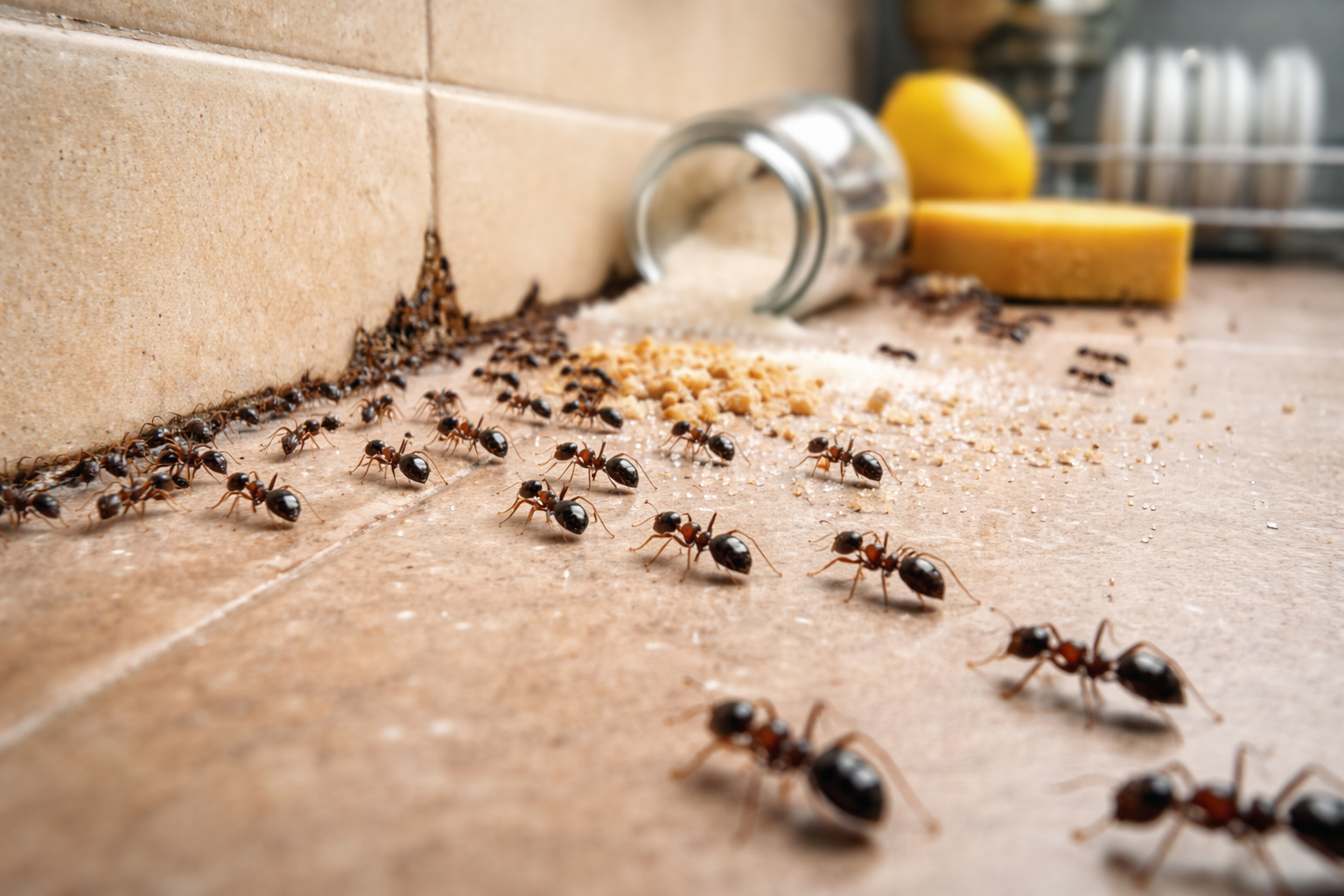
Carpenter Ants
Large black ants that damage wood and nest inside structures
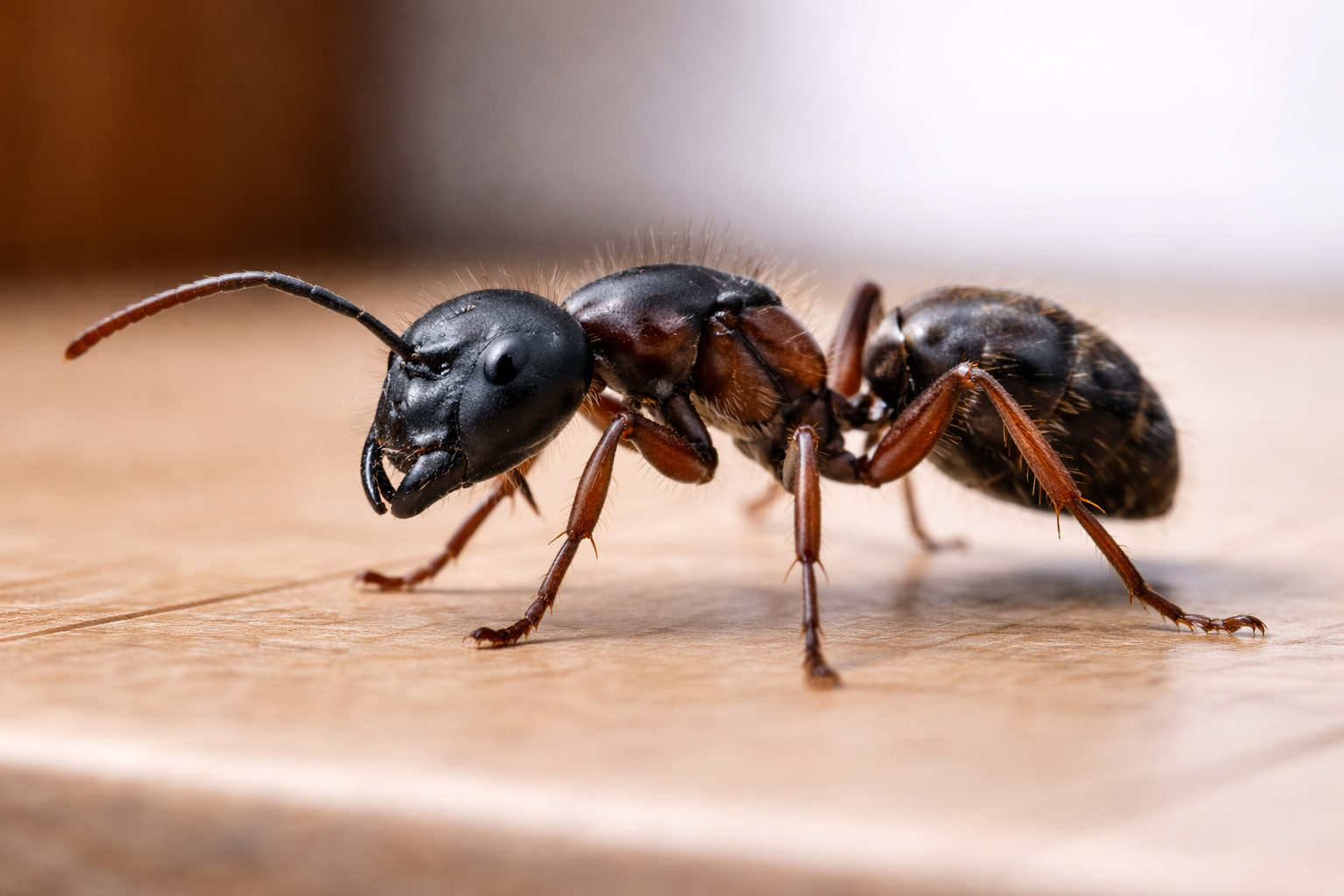
Odorous House Ants
Small ants that invade kitchens and emit a musty odor when crushed
Odorous House Ants
Small ants that invade kitchens and emit a musty odor when crushed
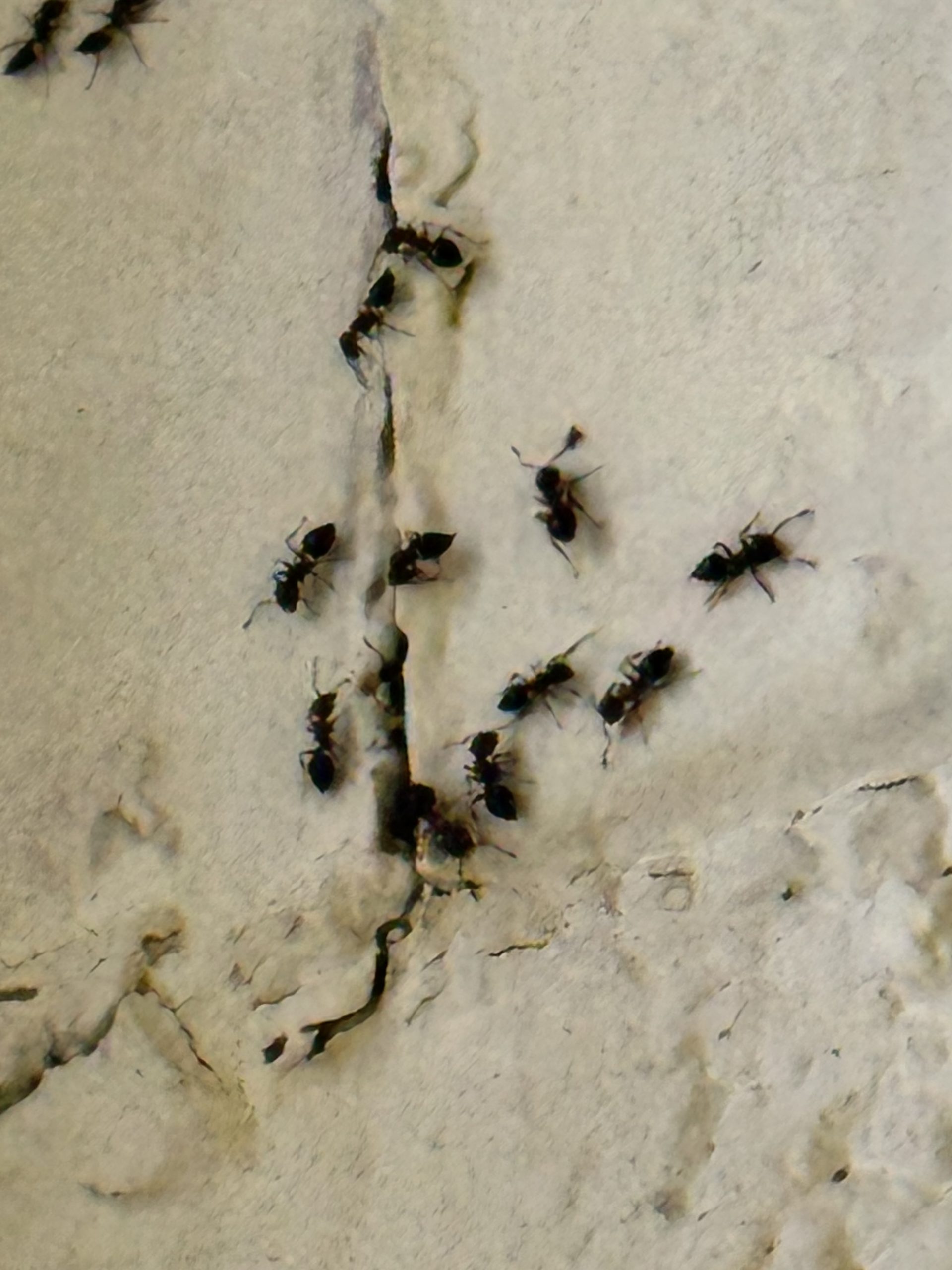
Pavement Ants
Common outdoor ants that move indoors searching for food
Complete elimination — not temporary control
Stop Ants Before They Spread Further
Fast inspection. Targeted treatment. Real results.
Call Now Get Help NowSigns You Need Professional Ant Control
- Ant trails inside your home
- Repeated infestations after treatment
- Ants appearing in multiple rooms
- Large black ants (possible carpenter ants)
These indicate an active colony nearby
Ant Problems in Michigan Homes
Ant infestations are common in Michigan homes, especially in areas like Westland, Livonia, Warren, and Dearborn. Seasonal changes and moisture conditions often drive ants indoors.
If you’re dealing with ants locally, the infestation is likely already established.
Ant infestations are one of the most common pest problems affecting homes and businesses throughout Michigan. While ants are small, the colonies behind them can contain thousands — sometimes tens of thousands — of workers operating inside walls, under foundations, and around structural voids.
Many homeowners first notice ants in kitchens, bathrooms, basements, or along window frames. Unfortunately, by the time ants are visible indoors, the colony has usually been active for weeks or months.
At Hi-Tech Pest Control, we provide professional ant control and ant extermination services across Wayne County, Oakland County, and Macomb County, using engineered treatment strategies designed to eliminate the colony — not just the ants you see.
Our approach focuses on identifying the species, locating nesting zones, and applying targeted treatments that stop infestations at their source.
If ants have appeared inside your home or business, the problem will continue to grow until the colony is properly eliminated.
“The most destructive species we treat are carpenter ants, which can hollow structural wood. Learn more about our carpenter ant control services.”

Why Ant Infestations Should Not Be Ignored
Ants are highly organized insects that operate with complex colony systems. What may appear to be a small number of ants in your home can actually represent a much larger population hidden nearby.
Ant colonies can contain:
- thousands of worker ants
- multiple queens
- satellite nesting sites
- complex foraging trails
Once ants establish consistent food and water sources inside a structure, they continue expanding their foraging routes.
Many infestations spread to:
- kitchens
- bathrooms
- basements
- wall voids
- attic spaces
In some cases, ants begin nesting inside structural wood or insulation areas, making the infestation much more difficult to eliminate without professional treatment.
Preventing Future Ant Infestations
Although professional treatment is often necessary, homeowners can reduce the risk of infestations by taking preventive steps.
Helpful prevention strategies include:
- sealing foundation cracks
- keeping food sealed in containers
- cleaning food debris from counters and floors
- repairing moisture leaks
- trimming vegetation away from the home
However, prevention alone will not eliminate an established colony.
Ant Control for Commercial Properties
Ant infestations in commercial environments can spread quickly due to shared walls and plumbing systems.
We provide ant control programs for:
- apartment complexes
- assisted living facilities
- restaurants
- office buildings
- warehouses
Our commercial pest control services include ongoing monitoring and scheduled treatment programs to maintain pest-free environments. For apartments, group homes, restaurants, and facilities, we offer ongoing programs through our commercial pest control services.
Cities We Serve for Ant Control
Hi-Tech Pest Control provides ant extermination services throughout Southeast Michigan.
Homeowners and businesses frequently contact us from:
Livonia
Professional ant control in Livonia helps eliminate colonies commonly found near foundations and kitchen areas. Learn more about our Livonia pest control services.
Westland
For homeowners dealing with recurring infestations, our Westland ant exterminator services focus on eliminating hidden colonies and preventing re-infestation.
Warren
Our Warren ant control services address pavement ants, carpenter ants, and nuisance species commonly found in residential neighborhoods.
Dearborn Heights
Residents experiencing interior ant activity can learn more about our Dearborn Heights pest control services for comprehensive treatment programs.
Garden City
Ant infestations in Garden City often originate from foundation entry points. Explore our Garden City pest control services.
Redford
Our technicians frequently treat ant infestations throughout Redford homes and businesses. See our Redford pest control services.
Farmington Hills
Wooded residential areas often experience carpenter ant activity. Our Farmington Hills ant exterminator services provide structural protection.
Canton
Many homeowners rely on our Canton ant control services to eliminate colonies entering from landscaping and foundation areas.
Schedule Professional Ant Control Today
If ants have appeared inside your home or business, the colony is already established nearby.
Professional ant control eliminates the infestation at its source while protecting your property from further invasion.
Contact Hi-Tech Pest Control today to schedule an inspection and customized treatment plan.
Our technicians provide fast, effective ant extermination services throughout Southeast Michigan.
Professional Ant Control Throughout Southeast Michigan
Hi-Tech Pest Control provides professional ant extermination services across Wayne County, Oakland County, and surrounding communities. Our technicians respond quickly to eliminate ant infestations in homes and businesses throughout the region.
Livonia Ant Control
Westland Ant Exterminator
Warren Ant Control Services
Dearborn Heights Ant Removal
Garden City Ant Control
Redford Ant Control
Farmington Hills Ant Exterminator
Canton Ant Control
Frequently Asked Questions
How do ants get into my home?
Through cracks in the foundation, and other entry points while searching for food.
Why do ants keep coming back?
Can I get rid of ants myself?
Get Rid of Ants the Right Way
The longer you wait, the worse it gets. Eliminate the source now.
Call Now Schedule Service