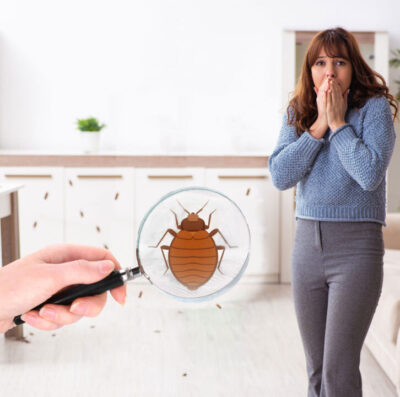
Pests are becoming a growing problem in Farmington Hills, Michigan — especially bed bugs, carpenter ants, and mice. These fast-spreading pests thrive inside warm homes and remain hidden until the population is too large to ignore.
Most homeowners wait until they see pests, but sightings mean:
They’ve already been feeding or nesting for weeks
Multiple rooms may now be involved
The cost of waiting increases daily
DIY sprays and foggers only make the problem worse They scatter pests deeper into furniture and wall voids.
✅ One Treatment. No More Bites. 100% Guaranteed.
That’s why families and property managers in Farmington Hills rely on Hi-Tech Pest Control:
✔ We eliminate pests in ONE application ✔ No furniture thrown away ✔ Same-day urgent service available ✔ 40+ years of experience ✔ Jobs abandoned by others welcome
“When our kids started getting bites, we were terrified. Hi-Tech Pest Control didn’t just treat our home — they reassured us and explained every step. One treatment later… no more bites and everyone is sleeping again!” — Derek & Melissa H., Farmington Hills
Common Pests We Remove in Farmington Hills
Bed Bugs
Carpenter Ants
General Ants
Mice and Rats
Bees & Wasps
Yellow Jackets & Hornets
Whether it’s itching, droppings, or damage — infestation signs require fast action.
Same-Day Help — Speak to a Real Expert Call 248-569-8001
✅ Protect your home ✅ Protect your health ✅ Protect your investment
Farmington Hills homeowners are seeing more pests like bed bugs, mice, and carpenter ants. Fast professional treatment prevents damage and health issues. Call Hi-Tech Pest Control today.
FAQ — Pest Control in Farmington Hills, MI
Do bed bugs spread fast in Farmington Hills? Yes — they can reach couches, chairs, and bedrooms within one week.
How many mice before it becomes a problem? One sighting means a nest is already present — and mice reproduce extremely fast.
Do carpenter ants cause expensive repairs? Absolutely — they weaken structural wood, walls, and flooring.
Hi-Tech Pest Control — Michigan’s #1 Bed Bug Exterminator
If there’s one pest that’s humbled both homeowners and exterminators alike, it’s the bed bug. Let’s face it — bed bugs are among the most difficult pests in the world to eradicate, and unfortunately, there’s a lot of misrepresentation online about what actually kills them.
Walk into any home improvement store and you’ll find shelves full of sprays, foggers, and “bed bug killers” promising miracles in a can. But here’s the truth: Most of those DIY and over-the-counter products don’t have the residual power, penetration, or impact needed to solve even a mild infestation — and in many cases, they make the problem worse.
When bed bugs are your opponent, you’re not in a fair fight. Let’s break down the biggest DIY myths — and why calling Hi-Tech Pest Control is your best option for one-treatment, complete eradication.
We’ll start with the most popular mistake: fogging.
Foggers and “bug bombs” have been around forever, and while they may make you feel like you’re fighting back, they’re one of the worst ways to handle a bed bug infestation.
Why? Because fogging only kills what it touches in open air — maybe a spider on a wall or a centipede on the floor — but bed bugs don’t live in open air. They hide inside furniture joints, behind baseboards, under fabrics, inside couches, recliners, bed frames, and even inside electronics.
When a fogger goes off, the aerosolized insecticide creates pressure and drives the bed bugs deeper into hiding — spreading them further and making eradication much more difficult.
Result: You’ve now successfully trained your bed bugs to hide better and resist future treatments.
If you’ve already fogged, don’t panic — but it’s time to bring in professionals who use industrial-grade equipment designed to reach those deep, hidden nesting sites.
Learn more about our Professional Bed Bug Treatments that completely eradicate infestations in just one visit.
♨️ #2: Steam — Good for Clothes, Bad for Bed Bugs
Steam is another popular “DIY fix” you’ll see recommended online. Sure, it kills some bed bugs on contact, but it also creates more moisture — and that’s the exact opposite of what you want.
Remember: everything that lives, including bed bugs, needs moisture to survive. One of the most effective supplemental treatments we use is a desiccant dust, which absorbs moisture from the bugs’ bodies until they dry out and die.
But if you raise humidity levels or steam furniture, you’re feeding them the very thing they need — water. You’ll kill a few, warm up the rest, and help the survivors thrive.
As we like to say around here:
“You’ll give them hot behinds but they’ll thank you later for the drink.”
So skip the steam and let the professionals use the proper balance of drying agents, precision insecticides, and controlled applications.
#3: Dusts, Sprays, and Aerosols — Little Impact, Big Problems
There’s no shortage of aerosol cans and dusts claiming to “kill bed bugs on contact.” But here’s the truth — they may kill a few on contact, but the rest of the colony will remain untouched.
Bed bugs nest in areas that are impossible for homeowners to reach, like:
Inside box spring seams
Under mattress ropes
Deep in recliners and couch joints
Behind wall plates and baseboards
Household dusts and sprays lack penetration power and residual effect, meaning they don’t reach eggs, nymphs, or hidden adults.
Even worse, bed bugs quickly develop resistance to common store-bought formulations. Once that happens, your next treatment — even a professional one — becomes more challenging.
ng.
The Truth: Professional Equipment and Experience Are Non-Negotiable
DIY treatments don’t fail because homeowners don’t try — they fail because bed bugs are survivors.
They’ve evolved thicker exoskeletons, developed pesticide resistance, and found creative new ways to hide. That’s why industrial-grade equipment, proper formulations, and experienced application techniques are essential.
At Hi-Tech Pest Control, we’ve spent over 40 years mastering bed bug eradication. Our technicians use:
Specialized injectors and nozzles for deep crevice penetration
Precision equipment that targets harborages, not open air
EPA-registered products with long residual protection
And unlike others who rely on repeat visits, we eliminate bed bugs in one treatment — guaranteed.
Why One Treatment Matters
The entire world is struggling with bed bug reinfestations because of ineffective, repeat treatments that never fully solve the problem. When infestations linger, populations rebuild — and customers lose trust.
Hi-Tech Pest Control’s mission is to change that — one successful, furniture-saving, one-treatment job at a time.
Our team is proud to say:
“We don’t leave until the bed bugs do.”
If you’re tired of wasting money on sprays, foggers, and miracle promises — Contact Hi-Tech Pest Control today and let Michigan’s #1 Bed Bug Exterminator solves it right the first time.
❓ Frequently Asked Questions
Q1: Why don’t foggers work on bed bugs?
A: Foggers only kill pests exposed to the air. Bed bugs hide deep in furniture and walls, so foggers only drive them deeper — spreading the infestation.
Q2: Is steam an effective method for bed bugs?
A: No. Steam adds moisture, which helps bed bugs survive. Professional treatments use desiccant dusts that dry them out completely.
Q3: Are store-bought sprays safe to use?
A: Most are safe for humans but ineffective for bed bugs. They lack residual and don’t penetrate hiding spots.
Q4: Why is professional treatment necessary?
A: Industrial equipment, experience, and specialized products are the only reliable way to reach all life stages — from eggs to adults — in one treatment.
Q5: Will Hi-Tech’s treatment really work in one visit?
A: Yes. Our proven methods and precision application eliminate bed bugs completely in a single treatment — guaranteed.
Hi-Tech Pest Control • Michigan’s #1 Bed Bug Exterminator
If you’ve ever asked yourself “where do bed bugs hide?”, you’re not alone. Bed bugs are expert hiders that thrive in cracks, seams, and everyday furniture. Knowing their hiding spots is the first step to protecting your home and stopping infestations before they get out of control.
Where Do Bed Bugs Hide? The Places Most Homeowners Never Check
Bed bugs are not hiding from you. They are hiding near you — in compressed, dark spaces within feet of where you sleep. Most infestations are discovered months after the bugs have already established deep harborages throughout the home.
Most homeowners think bed bugs hide because they are afraid of humans. That is not true.
Bed bugs hide near humans because humans are their food source. They are drawn to body heat, carbon dioxide, and sleeping patterns. Bed bugs do not move into homes to avoid people — they move into homes specifically to live near people.
The term "hiding" exists because bed bugs are extraordinarily difficult to locate during the early and moderate stages of an infestation — even for trained professionals. Most infestations are discovered long after the bugs have already established harborages deep inside mattress seams, furniture joints, wall voids, and structural cracks throughout the home.
A person can have bed bugs for months before ever seeing one. In severe infestations, homeowners often believe they "came out of nowhere." In reality, they were already there — feeding quietly while remaining protected in areas most people never inspect.
Still waking up with bites? If you are getting bitten but cannot find the source, the infestation is likely already established in areas that require a professional inspection to locate. Request a free inspection →
Why Bed Bugs Choose the Hiding Spots They Do
Bed bugs are highly specialized parasites. They are not randomly wandering insects — they seek very specific conditions for nesting:
Darkness — exposed surfaces are avoided entirely
Compression — tight spaces where something touches their back and underside simultaneously
Stable warmth — areas near heat sources or sleeping humans
Minimal disturbance — locations where human contact, pressure, or movement is rare
Proximity to feeding — within 3–8 feet of where a person regularly sleeps or rests
This behavior is nearly identical to German cockroaches, which also seek tight contact points — spaces where something touches both the top and bottom of their bodies simultaneously. For bed bugs, that means mattress seams, fabric folds, box spring corners, wooden joints, and furniture voids. These spaces provide darkness, compression, warmth, and easy access to a sleeping host.
Unlike fleas or lice, bed bugs do not live on people. They feed for several minutes, then return to protected nesting areas nearby. The bed is where they feed. Everything around it is where they live.
Primary Bed Bug Hiding Locations
During early and moderate infestations, bed bugs almost always remain within 3–8 feet of where a person sleeps. These are the first areas a professional inspects — and the most commonly missed by homeowners.
Mattress Seams & Piping
The stitched piping around the edge of a mattress is one of the most common early harborages. The seam fold creates a compressed, dark channel that bed bugs can occupy along its entire length. Labels, fabric overlaps, and decorative tufting all create similar hiding opportunities. Lift and inspect every seam edge — especially the corners where two seams meet.
Box Springs
Box springs are one of the most significant nesting locations in any infestation. The interior is dark, enclosed, warm, and rarely disturbed — ideal conditions for a growing colony. Bed bugs colonize the dust cover stapled to the underside, the wooden frame joints, corner guards, and the fabric folds along the sides. Many severe infestations are centered almost entirely inside the box spring structure before spreading outward.
Headboards & Bed Frames
Wooden headboards mounted against the wall create a protected gap behind them that bed bugs exploit immediately. Screw holes, joint recesses, and mounting bracket gaps are all ideal compression spaces. Wooden bed frames with slat joints and corner blocks provide dozens of harborage points. Metal frames are not immune — tubular metal frames often harbor established infestations hidden entirely inside the hollow sections, invisible from the outside.
Recliners & Couches
Recliners are among the most overlooked bed bug locations in Michigan homes — particularly in homes where elderly residents sleep in them regularly, or where people begin sleeping in the living room after discovering bites in the bedroom. Bed bugs nest inside fabric folds, under dust covers, in the reclining mechanism joints, and within the interior frame structure. Moving away from the bedroom to escape bites is one of the primary ways infestations spread from one room to another.
Nightstands & Dressers
Furniture within arm's reach of the bed is in the primary harborage zone. Drawer joints, screw heads, underside gaps, and drawer slide channels all provide the compression bed bugs seek. The underside of a nightstand — where the legs meet the frame — is a commonly missed harborage point that holds populations even after the rest of the room has been treated.
Carpet Edges & Tack Strips
The gap where carpet meets the baseboard — especially near the bed — provides a long, compressed channel that bed bugs can occupy continuously along a wall. The tack strip beneath the carpet edge adds additional compression. This harborage is invisible without lifting the carpet edge and is frequently missed in DIY inspections and by inexperienced treatment companies.
Bed Bugs on Walls and Ceilings — What It Actually Means
One of the most persistent misconceptions is that seeing bed bugs on walls, around switch plates, or crossing ceilings is normal during an infestation. It is not.
If you are seeing bed bugs openly crawling on walls, moving during daylight, or appearing far from sleeping areas — the infestation is already advanced.
In a healthy early infestation — from the bed bug's perspective — they remain hidden close to sleeping humans and are rarely if ever visible to the naked eye. Bed bugs appearing on walls in open view typically means:
Primary harborages have become overcrowded
Feeding competition has increased significantly
The infestation has been present for an extended period
DIY spray attempts have disrupted nesting behavior and scattered the population
Bugs are actively searching for new harborages deeper in the structure
Visible bed bugs in open areas often mean the infestation has been present far longer than the homeowner realized — and that secondary and tertiary harborages are already established throughout the home.
How DIY Treatments Make the Hiding Problem Worse
One of the most damaging things a homeowner can do is attempt to "chase" bed bugs with over-the-counter products. Here is what actually happens.
✗Essential oils / home remedies — create pressure that relocates population, not elimination
✗Steam misuse — without precise application technique, drives bugs deeper into materials
What Actually Happens
Every repellent application creates pressure. Bed bugs respond to pressure the same way they respond to overcrowding — they migrate outward into safer, less-disturbed harborages.
Bugs displaced from the bedroom move into the living room. Bugs displaced from the bed frame move into wall voids. Bugs displaced from accessible furniture move into outlet boxes, clock radios, and structural gaps.
The infestation does not shrink — it scatters. And a scattered infestation across multiple rooms and structural areas is significantly harder and more expensive to eliminate than a contained one.
Once primary harborages become overcrowded — or after DIY treatment pressure — bed bugs migrate to secondary locations throughout the home. These are far harder to find and treat.
Floor Moldings & Baseboards
Tiny gaps behind baseboards and quarter-round trim provide continuous protected channels running the length of the room. Cracked or separating molding seams are particularly common harborage points near beds and couches.
Electrical Outlets & Switch Plates
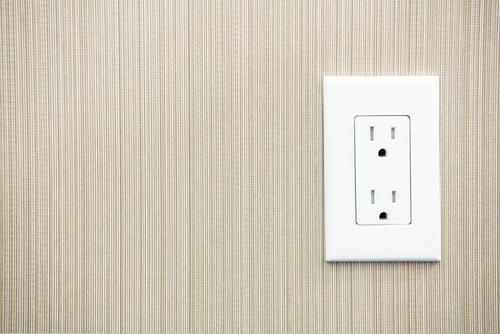
Wall void access through outlet boxes is one of the primary spread pathways in apartment buildings. Bed bugs move through wall voids between units via electrical chase paths. Repeated insecticide application near beds drives bugs toward outlets as safe migration highways.
Picture Frames & Wall Décor
The rear edges and hanging hardware of picture frames create compressed, dark spaces with minimal disturbance. In long-term infestations, picture frames throughout the bedroom and living room commonly hold established populations behind them.
Alarm Clocks & Electronics
Warm electronics near the bed — clock radios, phone chargers, power strips, cable boxes — become attractive harborages after displacement from primary areas. Bed bugs discovered inside electronics are a reliable indicator that primary harborages were already disturbed or overcrowded.
Ceiling & Crown Molding
In advanced or heavily disturbed infestations, bed bugs travel upward and occupy crown molding gaps, upper wall cracks, and ceiling trim separations — especially in rooms where repeated spraying near floor level has been attempted. Ceiling activity is almost always a sign of a late-stage or heavily disturbed infestation.
Clothing & Stored Items
Folded clothing left on chairs, in laundry baskets, or on the floor near the bed can become temporary harborages during infestation growth. Stored items in cardboard boxes are particularly vulnerable — corrugated cardboard provides hundreds of compressed hiding spaces per square foot.
Where Bed Bugs Hide in Apartments — A Different Problem
Apartments create unique hiding opportunities because bed bugs spread through shared structural pathways that do not exist in single-family homes. An infestation that begins in one unit can reach adjacent units without ever crossing a hallway.
Wall Voids & Plumbing Penetrations
Shared walls between apartments are connected by plumbing penetrations, electrical chases, and structural gaps. Bed bugs travel these pathways freely. An infestation in Unit 2B can reach Units 2A and 2C through the wall void without any human carrier involvement.
Outlet Boxes in Shared Walls
Electrical outlet boxes mounted back-to-back in shared apartment walls are open pathways between units. This is one of the most common lateral spread routes in multi-unit buildings — and one of the primary reasons treating a single apartment without treating adjacent units often fails.
Carpet Edges Along Shared Walls
The carpet-to-baseboard gap running along a shared wall provides a direct travel path between areas of an apartment and toward shared wall penetrations. Bed bugs following this channel can reach plumbing voids and migrate laterally to adjacent units.
Michigan renter? Hi-Tech Pest Control provides bed bug treatment and written documentation under Michigan law — regardless of landlord authorization. See our renter services →
How Bed Bugs Spread from Room to Room
Bed bugs do not wander randomly. They spread according to human sleeping and resting behavior. Every new resting area a person uses becomes a potential new feeding zone — and a new harborage site.
The most common spread pattern in Michigan homes follows this sequence:
→
Bedroom
Original introduction. Mattress, box spring, bed frame, headboard.
→
Living Room
Person moves to couch or recliner after getting bites. Infestation follows.
→
Secondary Bedroom
Person moves to guest room. Bugs follow the host to the new sleeping area.
!
Whole Home
Every room with a sleeping or resting area is now potentially infested.
This is why moving to another room to escape bites is one of the most common — and most damaging — mistakes homeowners make. It does not provide relief. It spreads the problem.
Signs Your Infestation Has Reached an Advanced Stage
Most professional pest control sites do not describe this honestly. There is a threshold where a bed bug infestation becomes visibly unhealthy — and the signs are important to recognize.
Bed Bugs Visible in Open Areas
Healthy early infestations are almost never visible. Seeing bed bugs in open view — on walls, furniture surfaces, or crossing floors — indicates overcrowding in primary harborages. The population has grown beyond what hidden areas can support.
Daytime Activity
Bed bugs are nocturnal by preference but not by requirement. When populations are large and feeding pressure is high, bed bugs will feed during daylight hours. Seeing bed bugs during the day is a sign of a significant population — not a normal early-stage situation.
Activity Away from Sleeping Areas
Finding bed bugs in rooms with no sleeping furniture — hallways, bathrooms, kitchens — indicates either advanced infestation pressure or significant DIY displacement. Either way, elimination has become significantly more complex.
Musty Odor in the Bedroom
Large bed bug colonies produce a distinctive sweet, musty odor from aggregation pheromones. If a bedroom has an unexplained musty smell that does not have an obvious source, a professional inspection is warranted regardless of whether bugs have been visually confirmed.
Bites in New Rooms
Bites appearing in rooms where you previously had no bites — especially after moving sleeping locations — confirms that the infestation has followed the host. Each new bite location is a new harborage site that now requires inspection and treatment.
Repeated Bites After Treatment
If you were treated by another company and are still getting bitten, the infestation was not fully eliminated. This typically means secondary harborages — wall voids, furniture interiors, structural gaps — were not identified or treated. The remaining population continues reproducing.
The hardest part of bed bug elimination is not killing the visible bed bugs. Any product kills visible, exposed bugs on contact. The hardest part is locating:
Primary harborages hidden inside furniture and structural components
Secondary nesting that developed after overcrowding or displacement
Tertiary migration areas where bugs moved after DIY attempts
Reproduction zones with egg deposits in protected cracks
Wall void populations that cannot be seen or reached from the room surface
An inexperienced technician — or an inexperienced company — may eliminate the visible population while leaving hundreds of bugs hidden inside cracks, voids, and furniture interiors. That is why homeowners continue getting bitten after treatment. The obvious bugs are gone. The infestation is not.
Hi-Tech Pest Control has eliminated bed bugs in Southeast Michigan since 1986. Our technicians understand the behavioral patterns that determine where bugs go when a colony grows, when it is disturbed, and when it is under pressure. That knowledge is the difference between complete elimination and a temporary reduction followed by another infestation.
Called after another company failed? This is one of the most common calls we receive. If you were treated and are still getting bitten, the remaining population is in harborages the previous technician did not identify. A second inspection by Hi-Tech is free — and our 6-month warranty means if bugs return after our treatment, we come back at no charge.
Still Getting Bitten? The Infestation Is Still There.
Same-day inspections available. 40+ years eliminating bed bugs across Southeast Michigan. The inspection is free — the information it gives you is not available anywhere else.
During the day, bed bugs remain in tight, dark harborages close to where the host sleeps — mattress seams, box spring interiors, headboard joints, bed frame recesses, and nightstand gaps. They do not typically move during daylight in early or moderate infestations. If you are seeing bed bugs during the day, the population is large enough that feeding competition is forcing daytime activity — a sign of an advanced infestation.
Can bed bugs live inside walls?
Yes — wall voids are a common secondary harborage, particularly in apartments and after DIY treatment attempts. Bed bugs enter wall voids through outlet boxes, switch plates, baseboard gaps, and plumbing penetrations. In apartment buildings, wall voids are the primary route of spread between units. A bed bug infestation inside a wall void cannot be treated from the room surface — it requires professional-grade application methods that reach inside the void.
Do bed bugs hide in carpet?
Bed bugs can inhabit carpet edges — specifically the gap between the carpet and the baseboard, and the tack strip beneath the carpet edge — but they do not live deep in carpet fibers the way fleas do. The carpet edge near the bed or couch is the most likely carpet-adjacent harborage. Deep carpet treatment is not typically the priority; the furniture and structural voids near sleeping areas are.
How far from the bed do bed bugs nest?
In early infestations, bed bugs almost always remain within 3–8 feet of the sleeping area. As the infestation matures and primary harborages become crowded, they expand outward — first to nearby furniture, then to moldings and wall voids, then to other rooms if a new host resting area is introduced. The earlier an infestation is caught, the smaller the treatment zone required.
Do bed bugs hide in couches and recliners?
Yes — recliners and couches are among the most common secondary infestation sites in Michigan homes. Bed bugs nest inside fabric folds, under dust covers, in reclining mechanism joints, and within the interior frame. This is especially common in homes where residents sleep in recliners, or where someone moved from the bedroom to the couch after discovering bites. Moving sleeping locations does not escape the infestation — it spreads it.
Can bed bugs hide in electronics?
Yes — warm electronics near the bed are attractive harborages, particularly after primary hiding areas have been disturbed or overcrowded. Clock radios, cable boxes, phone chargers, and power strips near the bed are all documented harborage sites. Finding bed bugs inside electronics is a sign that the infestation is either large or has been displaced from primary areas — both indicators of an advanced situation that requires professional treatment.
Why can't I find the bed bugs even though I'm getting bitten?
Because early-stage bed bugs are masters at occupying spaces that most people never inspect — inside box spring frames, behind headboards, inside mattress seam channels, beneath furniture dust covers, in carpet tack strip gaps. A few dozen bugs distributed across these harborages are essentially invisible without a systematic, trained inspection. This is the most common situation we see: bites without visible bugs, which almost always means the infestation is present but contained in protected areas the homeowner cannot see.
How do I know if my whole home is infested or just one room?
A professional inspection is the only reliable way to know. The scope of an infestation is directly tied to how long it has been present and whether any displacement has occurred — through DIY treatments or by moving sleeping locations. A single-room infestation caught early is the best case. An infestation that has spread to multiple rooms, wall voids, or adjacent units is significantly more complex to eliminate. Hi-Tech provides free comprehensive inspections that assess the full scope before any treatment recommendation is made.
bed bug removal Troy, Bloomfield, Livonia, Michigan
Call Hi-Tech Pest Control Today
Don’t waste time searching for every bed bug hiding spot yourself. We provide: ✅ One-Application Bed Bug Eradication — Bite-free the first night ✅ Furniture Cleaned & Salvaged — Beds, couches, recliners treated & saved ✅ Same-Day Service — Fast, discreet relief across Metro Detroit ✅ 100% Guaranteed Results — No excuses, no endless callbacks
Call 248-569-8001 now for a free consultation and same-day bed bug removal.
Hi-Tech Pest Control • Michigan’s #1 Bed Bug Exterminator
Not sure how bad your bed bug infestation really is? Professional exterminators use a rating system based on bites, sightings, nests, and spread to determine how severe your infestation is — and how urgently you need treatment.
Here’s how to rate your infestation and know when to take immediate action.
Positive bite identification is Level 1 — the very first sign you may have bed bugs.
How often are you getting bites?
How many people in the home are being bitten?
When did the bites start?
Professionals use this information to estimate how long the infestation has been present and whether bed bugs have likely spread to other rooms.
2. First Sighting – Entering the Visible Stage
Seeing a bed bug with the naked eye usually means 3–4 months of population growth.
Bed bugs have matured from nymphs to adults.
You should now be able to find them on furniture, mattress seams, and bed frames more easily.
••This is when infestations start reaching unhealthy levels.
3. Nests, Nymphs & Eggs – Confirmed Infestation
When you find a nest, you’ve reached Level 3 of infestation:
Nymphs: tiny beige bed bugs with visible legs
Eggs: translucent, rice-shaped eggs clustered together
Adults: full-size bed bugs present near harborages
At this stage, professional treatment is critical to prevent rapid population explosion.
4. Blood Stains & Fecal Spots – The Threshold Level
Finding blood spots means bed bugs are actively feeding and defecating near their nests.
Fresh blood = reddish smears
Old blood/feces = black spots
This stage signals that the population is large enough to feed frequently and reproduce faster.
5. Whole-House Infestation – Visible Everywhere
Bed bugs are now in:
Beds, couches, recliners, and chairs
Nightstands, headboards, and even dining room chairs
If a professional can walk in and spot bed bugs immediately, you’ve had them for months and need immediate intervention to prevent further spread.
6. Structural Spread – The Unhealthy Stage
The most severe level:
Bed bugs visible near electrical outlets, floor & ceiling moldings, curtains
Friends and relatives risk taking bed bugs home (74% chance)
Spraying alcohol or DIY insecticides forces them to spread onto clothing, purses, visitors, and new locations
At this stage, you risk carrying bed bugs to hospitals, hotels, theaters, veterinarians, and workplaces.
✅ Why You Need Professional Help Now
Once you’ve reached Levels 3–6, you are past the point of DIY solutions. Professional extermination is the only way to eliminate the population completely. Hi-Tech Pest Control provides:
One-Treatment Eradication — Bite-free the first night
Couch Potatoes Beware: Why Bed Bugs Love Movie Night
Hi-Tech Pest Control • Michigan’s #1 Bed Bug Specialists
Picture this: it’s Friday night, you’re on the couch with popcorn, Netflix queued up, electric blanket on… and somewhere in the shadows, bed bugs are lining up like it’s an all-you-can-eat buffet.
Bed bugs aren’t just bed bugs — they’re couch bugs, recliner bugs, dining room chair bugs. If you’re a proud Michigan couch potato, we hate to break it to you: you’ve just invited them to dinner.
The Real Reason Bed Bugs Love Your Couch Your couch is a 5-star resort — warm, soft, and you sit still long enough for them to feed. And unlike a mattress, you don’t launder your couch every week. Across Detroit, Livonia, Troy, Warren, Bloomfield Twp, Sterling Heights, and Ann Arbor, we find bed bugs living in: * Couch seams & under cushions * Recliner mechanisms & footrests * Underneath chair legs * Even inside end tables & baseboards near the TV
Why Throwing Away Furniture Doesn’t Work
Many customers throw out couches piece by piece thinking they’ve tossed the problem out the door. But the bugs hiding in your recliner, headboard, or outlet plates don’t leave with the sofa. A week later, they’re back on the “new” couch like they never left.
DIY Sprays = “Scatter and Survive”
Those store-bought sprays? They mostly scatter bed bugs into new hiding places. Now you’ve got bugs in the couch, the walls, AND the recliner. Congratulations — you just upgraded their real estate.
The Hi-Tech Way: One-Treatment Couch, Recliner & Bed Eradication
Hi-Tech Pest Control doesn’t just spray and pray. We inspect, treat, clean, and salvage all furniture — couches, recliners, mattresses, chairs — so you can binge-watch your shows without turning yourself into a midnight snack.
✅One-Application Eradication ✅All Furniture Cleaned & Saved ✅Same-Day Service across Metro Detroit ✅100% Guaranteed Results
Q1: Can bed bugs really live in couches and recliners?
A: Absolutely — anywhere humans sit for more than a few minutes is prime real estate.
Q2: If I throw away my couch, will that solve the problem?
A: No. The bugs in nearby furniture or walls will simply reinfest the new couch.
Q3: Can I spray my couch with store products?
A: You can, but it usually just drives them into new hiding places. Professional treatment is the only proven, complete solution.
Q4: Will Hi-Tech salvage my furniture?
A: Yes — we treat, clean, and salvage couches, recliners, and mattresses so you don’t have to spend thousands replacing them.
Q5: How soon after treatment can I sit on my couch again?
“We called a company, they sprayed, we still got bitten. They sprayed again, we still got bitten. They said it’s because we had a chicken bone under the couch…”
Wait — what?
Hi-Tech Pest Control • Michigan’s Unparalleled Bed Bug Experts
If you’ve been fighting bed bugs for months and feel like you’re living in a nightmare sitcom, you’re not alone. Customers across Detroit, Livonia, Troy, Warren, Bloomfield Twp, Sterling Heights, and Ann Arbor tell us the same story:
The Excuses Are the Same Everywhere
Most customers experience this endless loop:
The technician says the problem is “clutter.”
You throw away a chair — still bites.
You throw away the couch — still bites.
Next thing you know, you’re sleeping on the floor or in the bathroom just to avoid bites.
Meanwhile, friends and relatives keep sitting on your “treated” couch… and keep getting bitten.
The Excuses Are the Same Everywhere
Here’s a scary truth: 94% of bed bug technicians have been in the industry less than 4 months. Most are handed a script, told what to say, and have never completely eradicated bed bugs in their life.
Bed bugs are one of the hardest pests in the world to eliminate — it takes skill, knowledge, and experience. It’s not about “spraying something.” It’s about:
Inspecting every couch, recliner, bed, and room.
Knowing how far the bugs have spread.
Identifying the population size and how long they’ve been there.
Understanding if DIY sprays have already scattered them into walls.
Price Shopping Won’t Save You
We get it — nobody wants to overpay. But bed bug eradication isn’t like buying Farmer John’s chocolate milk at the grocery store where the cheaper carton is exactly the same as the expensive one.
Bed bug treatment is a service, not a product — and experience is what you’re really paying for.
Beware of marketing gimmicks, too-good-to-be-true “low-price specials,” and anyone promising magic sprays. If the explanation doesn’t make sense, or sounds like an excuse, it probably is.
Be Kind to Your Technician
Good technicians are under a lot of stress — driving all over Michigan, dealing with heavy infestations, and trying to save your furniture. A respectful approach can even help you work together on a excellent price.
How to Choose a Real Professional
Ask who will treat your home: Do they have years of experience?
Ask about results: Do they have a history of solving 100% of infestations?
Ask for clear steps: The process should make sense, not just sound like a sales pitch.
••Look for integrity: Good communication, professional explanations, and honest expectations.
Bottom Line
If just anyone could do this, the entire country wouldn’t still be infested with bed bugs — and you wouldn’t have to check your hotel mattress every time you travel.
Moral of the story: Don’t settle for excuses. Don’t settle for half-measures. Call the experts who actually eradicate bed bugs — once and for all.