Found One Bed Bug, Tore Up the House, and Found Nothing Else? Here is What to Do Next.

Concerned woman inspecting her mattress in a clean modern bedroom, unsure if she may have bed bugs, checking the bed closely for signs of infestation in a realistic home setting.
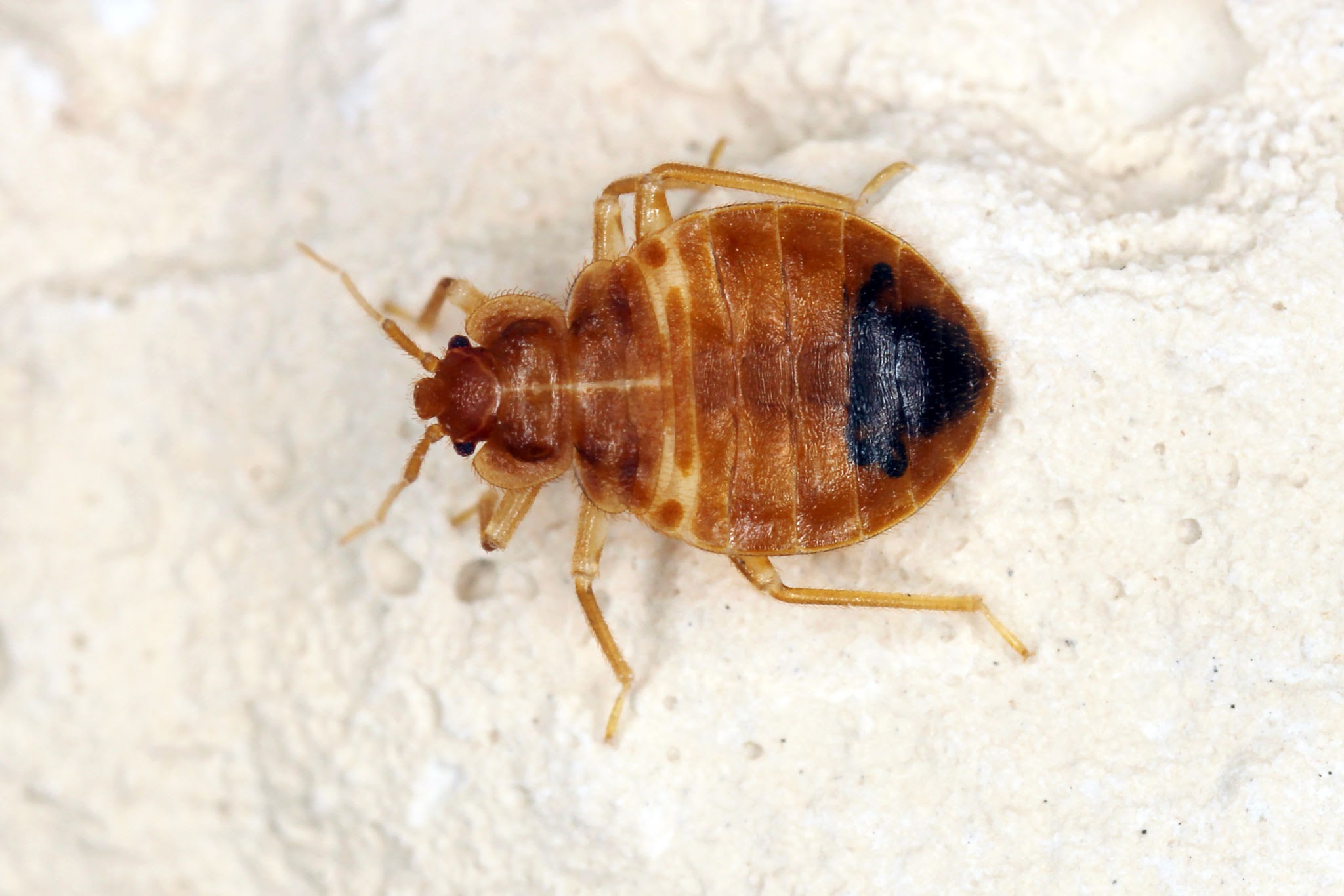
Bed bug identification and what they look like photo image
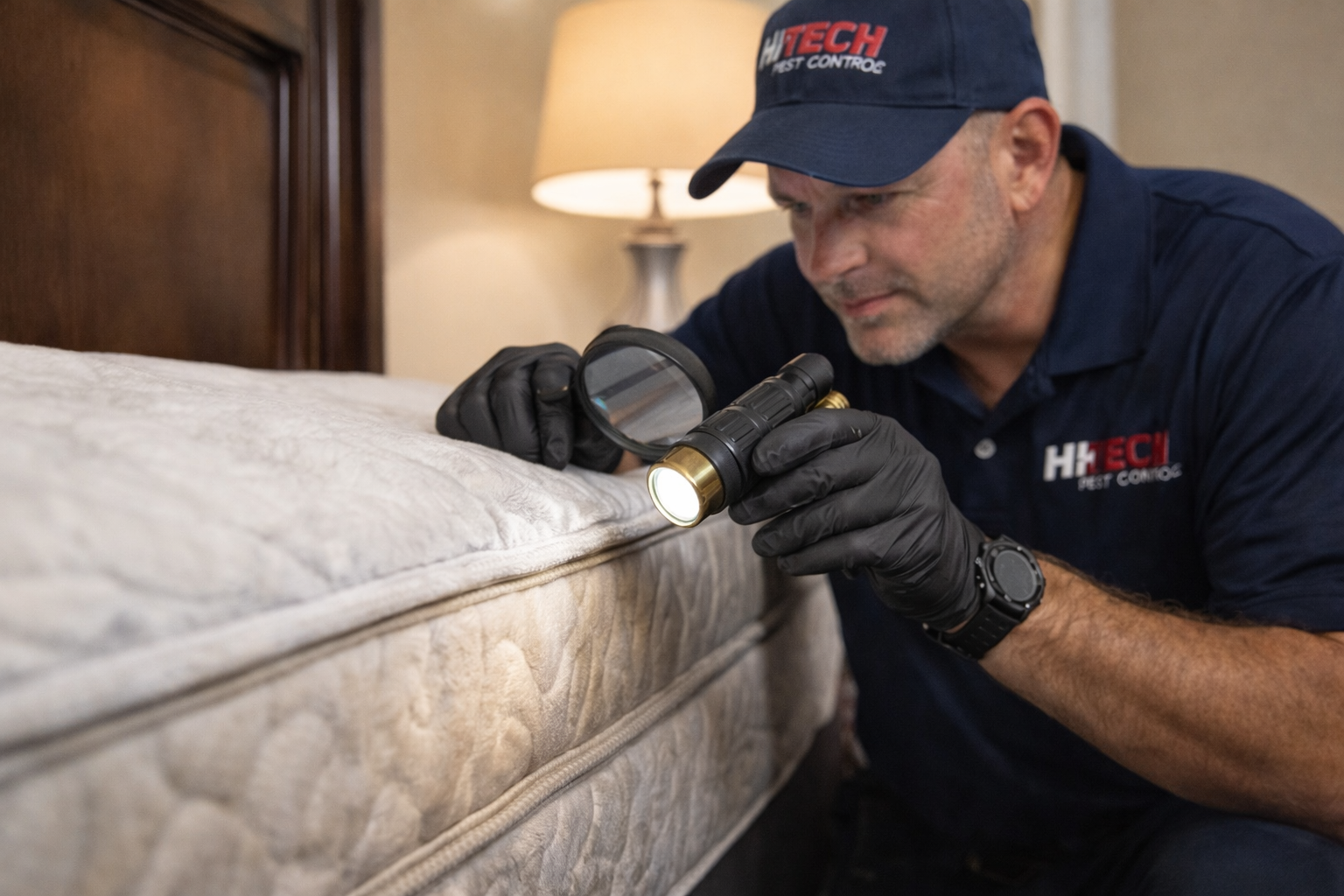
Professional bed bug inspection performed by licensed pest control technician

Found One Bed Bug, Tore Up The Whole House & Found Nothing Else?
What You Need To Do Next

Finding a single bed bug can cause instant panic. But stripping your mattresses and tearing your rooms apart won't solve the issue. Here is the professional truth about what one bug actually means.

100%
Positive Confirmation
100s
Of Hidden Scenarios
$0
Free In-Home Inspections

You’re sitting on your couch or lying in bed when you spot it: a small, reddish-brown insect. You catch it, look up a picture online, and confirm your worst fear—it’s a bed bug.

Within minutes, you’ve stripped the sheets, flipped the mattress, torn apart closets, and emptied your dresser drawers. You spend hours vacuuming and shining a flashlight into every dark corner. The result? Absolutely nothing. You can't find another one.

Option 1: Act On It Immediately (Don't Wait)

If you or an exterminator finds one bed bug, that is a positive identification. If we perform a bed bug inspection and immediately spot a live bug, the search is instantly over.

Unlike other companies that charge heavy fees just to sit there for an hour trying to find a second insect, we stop right there. In the beginning and maturation stages, finding a bed bug is almost next to impossible. They can easily fool even the best and most experienced of certified pest control technicians. We can think of countless situations where we found a live bed bug long after we had initially abandoned a search.

Important Warning: One bed bug sighting means almost 100% of the time that it is time to act. You are past the safety threshold and are about to experience the effects of an unhealthy, rapidly multiplying population of bed bugs.

What a Pest Control Technician's Job Actually Is

Many customers think that a pest control technician's job is to come out and hunt for live bed bugs for hours. It is not. Their real job is to come out, confirm the problem, treat the home or place of business safely, and guarantee the work.

A reputable company must make sure that you actually have them before treating. We will not treat a home just because a homeowner had an allergic skin reaction to something, or because they believe dirt and household debris images are bugs. Treating a home on false alarms or fear leads to repeated callbacks, unnecessary chemical exposure, and major waste. It is highly time-consuming and costly for pest control companies because the majority of people calling for endless inspections just want to know where they are hiding, with no intentions of having the home professionally treated.

Manifestations vs. Positive Identification

Skin markings that look like insect bites are not a positive identification. You can seek a positive ID from a doctor or dermatologist, but you should wait until a physical bug is found before applying heavy treatments.

If you find a live bug, get a clear image of it, bag it, or catch it on a piece of tape for a professional. This allows them to come up with an equitable charge between you and the company before you wind up paying a much higher price later and ruining your home trying to DIY the problem away.

Have Evidence? Don't Let It Multiply.

Call Now: 248-569-8001

Do Bed Bug Foggers Work? Why Foggers & DIY Sprays Fail

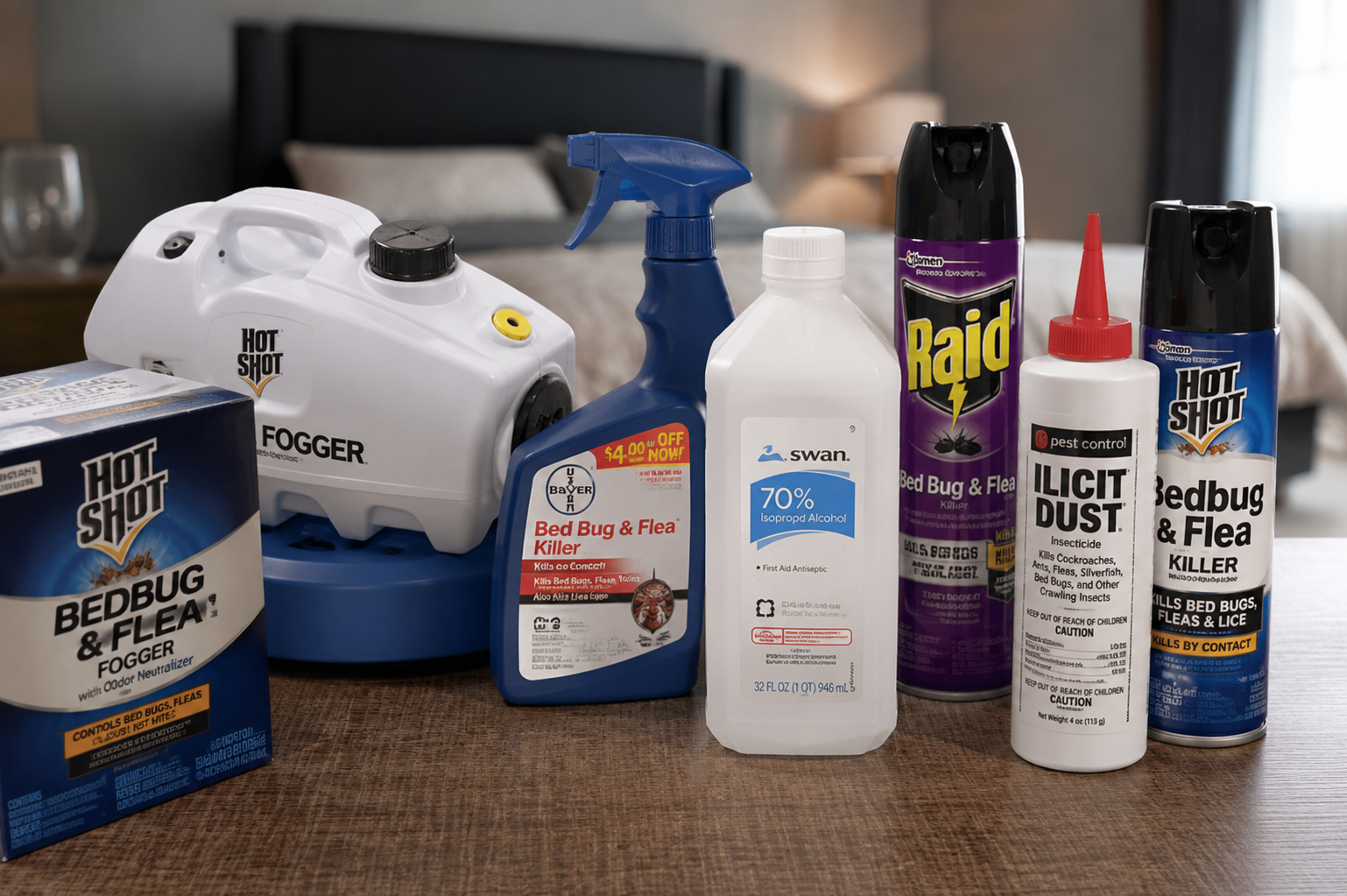
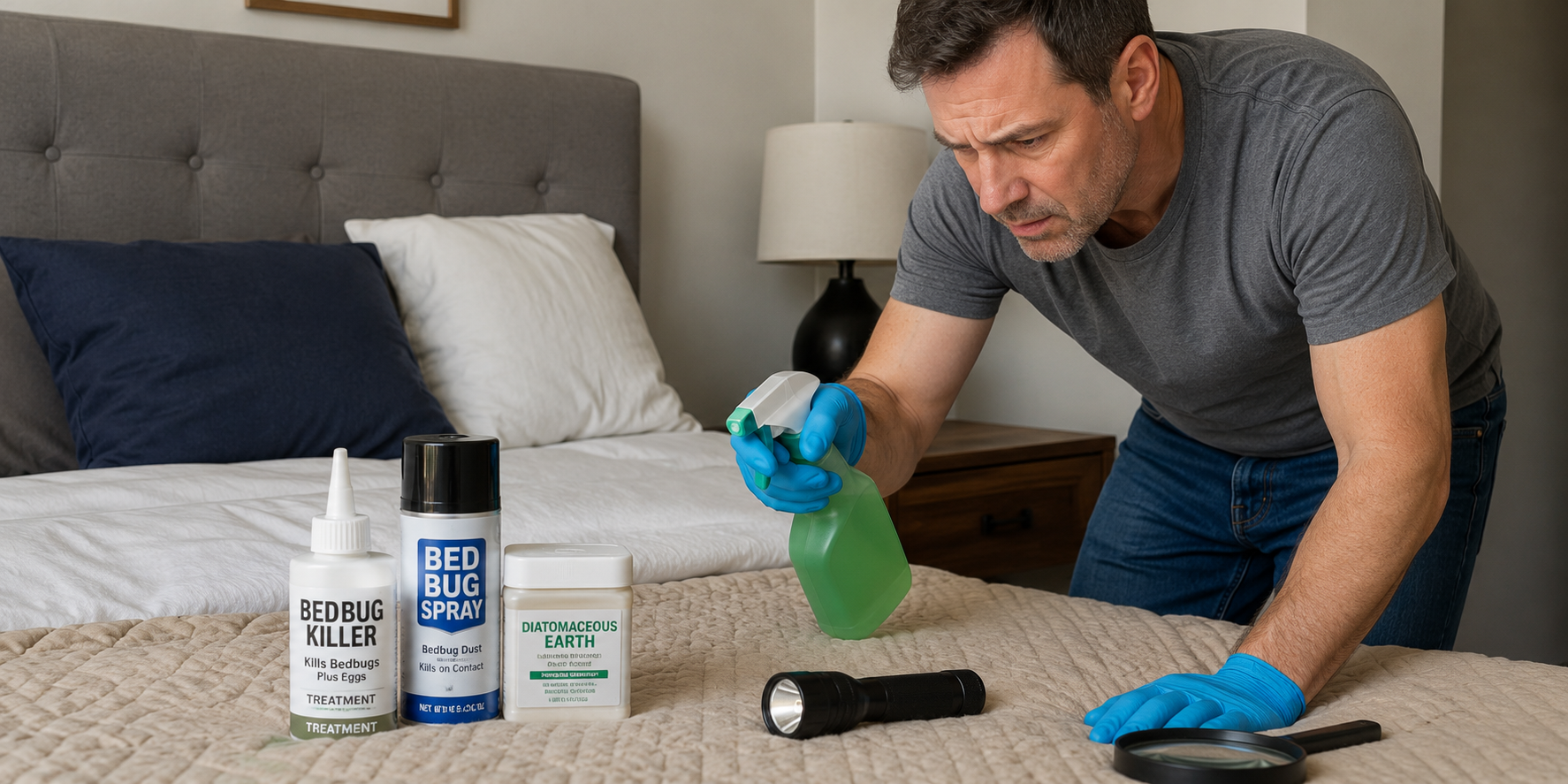
Common DIY bed bug products including foggers, rubbing alcohol, insecticide dusts, aerosol sprays, and over-the-counter treatments often used before professional bed bug extermination.
Same-Day Bed Bug Service Free Inspection One-Visit Elimination Michigan's Only 6-Month Bed Bug Warranty Serving Wayne, Oakland & Macomb Since 1986 5.0 Star Rated

Do Bed Bug Foggers Work? Why Foggers & DIY Sprays Fail

The short version from 40 years in the field: a fogger will kill a fly buzzing around the room. It will not kill the bed bugs living inside your mattress seams, box spring, and wall voids.

The Direct Answer

No — bed bug foggers do not work. There is a reason you will never see a professional exterminator rely on fogging to eliminate an infestation. Foggers release insecticide into the open air, where it drifts, settles, and dissipates. Bed bugs don't live in open air. They live pressed deep inside cracks, seams, screw holes, and fabric folds — exactly where the fog never reaches.

Why Foggers & Bug Bombs Don't Kill Bed Bugs

Nearly every bed bug fogger on the shelf is built the same way, using the same class of active ingredients — pyrethrins, piperonyl butoxide, cyano-based compounds, or cypermethrin. Cypermethrin is one of the longer-lasting active ingredients of the group, and even it falls short when it's delivered as a fog.

The failure isn't really about the chemical. It's about the delivery method. When you set off a fogger, the insecticide becomes airborne and drifts through the open room. It will knock down an exposed insect — a fly in flight, an earwig crossing the floor. But it does not travel underneath, inside, and into the tight cracks and fabric folds where bed bugs actually nest. The bugs simply stay put in their harborage while the fog passes overhead.

Then comes the second problem: once the fog dissipates, there is virtually no residual left behind. A real treatment leaves protection working in the cracks and voids for weeks. A fogger leaves almost nothing. And there's a hidden cost — the disturbance can actually scatter surviving bugs deeper into walls and adjacent rooms, spreading a contained problem into a larger one.

Field note: A fogger's chemical settles on flat, open surfaces facing the ceiling. Bed bugs harbor on the undersides and insides of things — the underside of a slat, the inside of a seam, the back of a headboard against the wall. Gravity and geometry are both working against the fog.

The Other DIY Methods — And Why They Fail Too

Foggers aren't the only thing homeowners reach for before calling a professional. Here's what we see most often, and the honest field verdict on each.

1

Diatomaceous Earth

Doesn't Eliminate

Diatomaceous earth almost always gets applied to surfaces — dusted across furniture and floors — and homeowners routinely use far too much of it. The problem is twofold. First, that excess becomes airborne, and residents end up inhaling it every day, which is the last thing you want in the room where you sleep. Second, a surface dusting does not reach the bed bugs. The desiccant effect only works on direct, sustained contact, and it never reaches all the tucked-away nesting areas where the infestation actually lives.

2

Rubbing Alcohol

Doesn't Eliminate

Alcohol was never engineered to be an insecticide, and it doesn't behave like one. What it mostly does is scare bed bugs and scatter them — you'll drive them out of one harborage and send them running onto walls, curtains, and into new hiding spots. You may kill a few on direct contact, but you spread the rest. It's also a genuine fire hazard to spray around a bedroom. Net effect: the infestation relocates instead of ending.

3

Essential Oils

Doesn't Eliminate

Essential oils are genuinely disturbing to bed bugs — but "disturbing" is not "eliminating." Like alcohol, they mostly chase the bugs around. They can do a decent job of temporarily keeping bed bugs off of you and slowing the feeding, which is why people think they're working. But slowing the bite is not stopping the infestation. The colony keeps reproducing in the walls and the bed frame, and essential oils will not eradicate it.

4

Foggers / Bug Bombs

Doesn't Eliminate

Covered in full above — the delivery method can't reach the harborage, there's no residual once it clears, and the disturbance can push survivors deeper into walls and neighboring rooms. Of all the DIY options, this is the one most likely to make the problem bigger.

DIY vs. Professional Treatment: The Honest Comparison

Factor DIY Foggers & Sprays Professional Treatment
Reaches cracks, seams & voids No — treats open air only Yes — targeted to harborage
Residual protection after Virtually none Weeks of active protection
Effect on surviving bugs Scatters them deeper / wider Eliminates at the source
Reaches eggs & all life stages No Yes
Warranty / guarantee None 6-month warranty (bed bugs)
Time to results Weeks of trial & error, often worse One-visit elimination
The pattern to notice: every DIY method fails for the same underlying reason. Bed bugs don't live out in the open where sprays and fogs land. They live in the tightest, most protected spaces in the room. Any method that only treats surfaces is treating the wrong 5% of your bedroom.
1986Serving SE Michigan Since
1Visit Elimination
6Month Warranty
5Star Rated

Stop Wasting Money on Products That Don't Work

Every week you spend fogging and spraying is a week the infestation keeps growing. Get a free inspection and one-visit elimination from the team that's handled Southeast Michigan bed bugs since 1986.

Call 248-569-8001
Same-day service • 7 days a week, 8:30 AM–10 PM • Free inspection

Frequently Asked Questions

Will a bug bomb or fogger kill bed bugs at all?
It may kill a small number of bed bugs that happen to be fully exposed on an open surface when it goes off. But it does not reach the ones inside mattress seams, box springs, cracks, and wall voids — which is where the vast majority live. Because the fog leaves virtually no residual and can scatter survivors deeper into the structure, foggers routinely leave the core infestation intact.
Why do professional exterminators never use foggers?
Because the delivery method is wrong for the pest. Professionals target the actual harborage — the cracks, seams, and voids where bed bugs nest — with treatments that leave lasting residual protection. Fogging just puts chemical into open air that bed bugs aren't occupying. You won't find a reputable pro relying on a fogger to eliminate an infestation.
Does diatomaceous earth work on bed bugs?
Not as a standalone fix. It only kills on direct, prolonged contact, and homeowners typically apply it to open surfaces — where the bugs aren't — while using so much of it that it becomes airborne and gets inhaled daily. It never reaches all the hidden nesting areas, so the infestation continues.
Can rubbing alcohol or essential oils get rid of bed bugs?
No. Both mostly disturb and scatter bed bugs rather than eliminate them. Alcohol drives them onto walls and curtains (and is a fire risk indoors); essential oils can temporarily keep bugs off you and slow feeding, which fools people into thinking they're working. Neither stops the colony from reproducing, so neither eradicates the infestation.
What actually gets rid of bed bugs?
A professional treatment that targets the harborage directly, reaches all life stages including eggs, and leaves residual protection behind. At Hi-Tech Pest Control we offer same-day service, a free inspection, one-visit elimination, and Michigan's only 6-month bed bug warranty. Call 248-569-8001.

First Signs of Bed Bugs: Bites, Not Stains | Hi-Tech Pest Control

Bed bug exterminator inspection and treatment
Bed Bug Evidence Guide

The first physical evidence of bed bugs isn't a stain, a shed skin, or a black spot near an outlet. It's a bite — and it's the one piece of evidence almost everyone ignores.

After 40 years of bed bug inspections across Metro Detroit, we see the same pattern in home after home. By the time most families call us, they've spent months chasing the wrong evidence — the fecal spots, stains, and blood smears the internet tells them to hunt for. Here's the problem: those are late-stage signs. The real first sign showed up on their skin months earlier, and it was dismissed as a mosquito, a spider, or "just a rash."

This guide walks you through the actual evidence timeline — what shows up first, what shows up last, and what each stage means for your home.

The Real Bed Bug Evidence Timeline

Physical evidence doesn't appear all at once. It arrives in a predictable order, and understanding that order tells you how far along an infestation really is.

  • 1
    Months 1–2 — The Bites Everyone Ignores

    Bites are the first physical evidence — and the most ignored. Unlike other insect bites, bed bug bites carry a disturbing, persistent itch that sets them apart from a mosquito or flea bite. They typically start on the upper body and exposed skin — arms, shoulders, neck, face — the areas closest to a feeding bug while you sleep. Most people blame the dog, the yard, or laundry detergent and move on.

  • 2
    Months 2–3 — The Doctor Visit That Settles Nothing

    When the bites keep coming, many people see a doctor or dermatologist — and here's what most don't realize: bed bug bites can't be positively identified by looking at them. Bite reactions vary too much from person to person. If the bites don't get identified in 2 to 3 months, the evidence that finally settles it usually isn't medical at all. It's a sighting.

  • 3
    Months 3–4 — The First Sighting

    Around the 3-to-4-month mark, most homeowners see their first bed bug — and in most cases they immediately know exactly what it is. It happens at night: an oval-shaped, reddish-brown bug, caught while it was feeding or escaping across your pillow or bedclothes, where it's highly visible against the fabric. That single sighting is your first positive identification — not a stain, not a spot, not a trap.

  • 4
    Month 4 and Beyond — Spots, Stains & Smears (Late Stage)

    The fecal spots, stains, and blood smears everyone treats as "first signs" are actually the final stage of evidence — they appear after the population has been feeding and reproducing for months. If you're finding evidence around electrical outlets or floor moldings, the infestation has spread well beyond the bed, it's past the reproduction stage, and you're likely carrying bed bugs to other locations — work, cars, family members' homes.

If you're seeing spots and stains, you're not catching it early — you're catching it late. At that stage, every day matters. Same-day service is available.

What the Internet Gets Backwards

Search "signs of bed bugs" and nearly every article leads with fecal spotting, shed skins, and eggs. That advice isn't wrong about what the evidence is — it's wrong about when it appears.

Don't start your search here

  • Fecal spots & stains — final-stage evidence, months into an infestation
  • Blood smears on sheets — a sign of an established, feeding population
  • Shed skins & eggs — proof of reproduction cycles already completed
  • Outlets & floor moldings — if they're there, they've spread far from the bed

Start your search here

  • Bites with a disturbing itch, unlike any other insect bite
  • Upper body and exposed skin — arms, shoulders, neck, face
  • The obvious places near you — mattress seams, pillow area, headboard, box spring, the couch or recliner where someone sleeps
  • Night checks of pillows and bedclothes, where a feeding bug is highly visible

Bed bugs stay close to their food source: you. When you're trying to identify them, look in the obvious places nearby where they can feed on humans — not in the carpet, and not across the room. Curious where they go once established? Read our full guide on where bed bugs hide.

Why Most Bed Bug Traps Fail (And the $2 Fix That Works Better)

Trapping bed bugs is difficult when you don't know where they are — and the honest truth from four decades in the field is that trapping usually doesn't work. Most consumer traps simply aren't engineered around how bed bugs actually behave.

Trap Type Verdict Why
CO₂ (carbon dioxide) traps ✖ Ineffective In real-world use, they fail to outcompete the biggest CO₂ source in the room — the sleeping human a few feet away.
Moats / bed leg interceptors ✖ Ineffective They're built on a false premise. Bed bugs don't live in the carpet like fleas, and they don't roam the floors. The bugs are already on or near the bed — they aren't crossing the room to climb a bed leg.
Two-sided tape (the kind from the school-supply aisle) ✔ Your best bet Cheap, simple, and placed where the bugs actually travel — directly between them and their host.

How to place two-sided tape correctly

1

Identify the host. Place tape near the person who gets the most bites and gives off the most body heat — that's who the bugs are traveling to.

2

Cut off the routes. Apply strips between you and the bed bugs — along the mattress edge, headboard paths, and bedding routes they'd cross to feed.

3

Check it nightly. A bug on the tape is a positive identification — the confirmation traps, doctors, and stain-hunting couldn't give you.

One important note: tape confirms bed bugs — it doesn't eliminate them. If you catch one, you have a breeding population nearby, and DIY treatment at that point almost always spreads them further into walls and furniture. That's the moment to call 248-569-8001 for a free inspection.

0
Years Fighting Bed Bugs
0
Visit to Eliminate
0
Month Warranty — Michigan's Only
0
Star Rating

Bed Bug Evidence: Quick Answers

Bites. They're the first physical evidence and the most commonly ignored. Bed bug bites have a disturbing itch unlike other insect bites and usually start on the upper body and exposed skin. Fecal spots, stains, and blood smears come months later — they're final-stage evidence, not first signs.

Usually not with certainty — bite reactions look too similar to other insect bites and skin conditions to be diagnostic on their own. In most homes, the first positive identification is a sighting, which typically happens 2 to 4 months after the bites begin.

Oval-shaped and reddish-brown, most often spotted at night while it's feeding or escaping across your pillow or bedclothes, where it's highly visible. Most homeowners recognize it instantly.

In our field experience, no. CO₂ traps can't compete with the sleeping human nearby, and interceptors assume bed bugs live on the floor and climb bed legs — they don't. Bed bugs don't live in carpet like fleas. Inexpensive two-sided tape, placed between the bugs and the person getting bitten most, is more likely to confirm them.

That's late-stage evidence. It means the population is past the reproduction stage, has spread beyond the bed, and you may be carrying bed bugs to other locations. At this point, professional one-visit treatment is the fastest way to stop it. Same-day service is available — call 248-569-8001.

Stop Guessing. Get a Positive Identification Today.

Whether you're at the "mystery bites" stage or finding stains at the outlets, Hi-Tech Pest Control eliminates bed bugs in one visit — backed by Michigan's only 6-month bed bug warranty. Free inspection. Same-day service across Metro Detroit.

📞 248-569-8001
5.0★ Rated • Serving Wayne, Oakland & Macomb Counties Since 1986

Bed Bug Extermination Near You

Hi-Tech Pest Control provides one-visit bed bug elimination throughout Southeast Michigan:

Do Bed Bugs Hide in Wood and Carpet? Why Most People Search the Wrong Spots First

Bed bug bite Detroit Michigan
🛑 Stop guessing where they're hiding One-visit elimination — every hiding spot, every life stage Michigan's ONLY 6-month bed bug warranty 📞 248-569-8001 Free same-day inspection — no hidden fees Serving Wayne, Oakland & Macomb Counties 40+ years finding what others miss 🛑 Stop guessing where they're hiding One-visit elimination — every hiding spot, every life stage Michigan's ONLY 6-month bed bug warranty 📞 248-569-8001 Free same-day inspection — no hidden fees Serving Wayne, Oakland & Macomb Counties 40+ years finding what others miss
Bed Bug Behavior · Southeast Michigan

Do Bed Bugs Hide in Wood and Carpet? Why Most People Search the Wrong Spots First

Bed bugs don't actually want to live in your carpet or your hardwood floor — but if you keep fighting them the wrong way, that's exactly where they'll end up. Here's how they really behave, and why the search habits of most homeowners make the problem worse.

0
Years in Southeast Michigan
0
Visit to Eliminate
0
Metro Detroit Ranking
0
Michigan's Only Warranty

If you've been bitten for more than a few nights, you've probably already started searching — flipping the mattress, checking the sheets, maybe pulling the bed away from the wall. That instinct makes sense. It's also usually the wrong place to look first, and it's the reason so many Southeast Michigan homeowners go weeks without finding what's actually feeding on them.

⚠️ Already finding evidence on walls, moldings, or carpet edges? That's not an early sign — it usually means the infestation has been established for months. Same-day inspections are available throughout Southeast Michigan. Call 248-569-8001.

Why People Look in the Wrong Places First

Bed bug sufferers almost always start their search in tertiary areas — spots that feel logical but aren't where the colony actually lives day to day. People check the top of the mattress, the visible sheets, sometimes the carpet itself, before ever getting to the handful of spots that actually matter. By the time most people find real evidence, the infestation has already had weeks — sometimes months — to settle in.

The reason this happens is simple: bed bugs aren't designed to be found easily, and the places they actually prefer aren't the places most people think to check first.

How Bed Bugs Actually Feed and Rest

Bed bugs feed, then retreat to rest nearby — they don't wander far from a meal. What they're looking for when they rest is very specific: a spot where something is touching both the front and the back of their body at the same time. Folds in fabric, the joints in a wood frame, the piping or rope-stitching on upholstery, the seam where a leather or vinyl headboard meets its frame — anywhere a bed bug's flat body can be pressed from both sides at once.

This is the same basic harborage preference you'd recognize from German cockroaches: tight, enclosed, pressure-on-both-sides spaces feel safe to the insect. It's not about wood, fabric, or any one material specifically — it's about geometry. A bed bug doesn't care what the surface is made of. It cares whether the gap fits its body.

🛏️ Mattress and box spring seams
🪵 Wood bed frame joints and screw holes
🧵 Fabric folds and piping/rope stitching
🛋️ Leather or vinyl headboard seams

When Feeding Turns Into Nesting

Bed bugs don't start laying eggs right away. After roughly five or six feeding cycles, egg-laying begins in earnest — and that's the point where a few wandering bugs becomes an actual colony. Once egg-laying starts, bed bugs begin forming real nests, most often underneath the box spring or inside the structure of the mattress itself, where the eggs and the next generation of nymphs are protected.

5–6

Feedings before a bed bug typically begins laying eggs in earnest — the point where a handful of bugs starts becoming an established colony underneath the box spring or mattress.

The Spray Mistake That Pushes Them Deeper

Here's where most infestations actually get harder to solve. Once the bites start and people are suffering, the instinct is to reach for something — rubbing alcohol, a general-use insecticide from the hardware store — even without a positive identification of what's actually causing the bites. The problem isn't the impulse to act. The problem is what that spray actually does.

Bed bugs don't stay and die when they're sprayed with most general-use products. They sense it and move — deeper into the frame, deeper into the headboard, deeper into the mattress itself. What started as a contained problem in one accessible spot becomes a problem spread across several inaccessible ones.

To be clear — we're not saying don't spray. Just like washing your bedding, spraying something to create a barrier between you and the bugs will slow down feeding, and that matters while you're arranging treatment. The mistake isn't the spray itself. It's expecting the spray to solve a problem it's only capable of slowing down — and not realizing it's also driving the colony deeper into the structure.

So Do Bed Bugs Actually Hide in Wood and Carpet?

Not by preference. Bed bugs have no natural reason to live in carpet fibers the way fleas do, and they have no particular attraction to wood as a material the way termites or carpenter ants do. Left alone, bed bugs don't choose carpet or bare wood floors as a home.

But here's the catch: most beds are made of wood, and you sleep on that bed every night. Bed bugs nest in the wood frame not because they prefer wood, but because the wood is structurally part of the thing they need to be near — you. The material is incidental. The proximity to a reliable food source is the entire reason.

And if an infestation is continually disturbed — sprayed, fought, never fully treated — that's exactly when bed bugs start showing up in places they wouldn't choose under normal circumstances: floors, floor moldings, ceiling moldings, walls, electrical outlets, actual carpet fibers, nightstands, dressers. They'll nest on or in essentially anything if it keeps them close to a human host. Wood and carpet aren't the preferred habitat — they're the fallback habitat once the easier option keeps getting interrupted.

If You're Seeing Nests or Black Spots on Walls, You're Already Past "Early"

If you can visibly see nests, or you're finding black fecal spotting on walls, moldings, or outlet covers — understand what that actually means. You are not catching this early. You are a million miles past the point where this is a minor, easily-handled issue. Realistically, if it's spread this far, you already knew on some level that something was wrong for months, possibly longer, before you started looking seriously.

That's not said to make anyone feel bad about it — it's said because it changes what the right next step looks like. At this stage, a single store-bought product or a partial DIY effort isn't going to catch up to where the infestation actually is.

The Laundry Mistake Almost Nobody Thinks About

Of everything covered here, this might be the single biggest mistake people make once they realize they have a problem: not washing bed clothes and pillowcases immediately. Bed bugs are living in those textiles constantly — and the average person washes their bed clothes only about once every three months. During an active infestation, that's an enormous window of uninterrupted opportunity.

✅ Do This

  • Wash bed clothes, pillowcases, and sheets far more often than every 3 months — every few days during an active problem
  • Use hot water and a full high-heat dry cycle
  • Treat a spray as a way to slow feeding, not as the solution
  • Get a professional positive identification before deciding on treatment

❌ Don't Do This

  • Wait the "usual" 3 months between washing bed linens
  • Assume a spray without identification will solve the actual problem
  • Expect bed bugs to stay put after being sprayed — they relocate deeper instead
  • Ignore black spotting on walls or moldings as "probably nothing"

Early Action vs. Letting It Spread

The difference between calling early and continuing to fight it alone isn't just comfort — it's the difference between a one-room job and a whole-structure job.

FactorCall at First SignsKeep Fighting It Yourself
Where They're FoundMattress & box spring seams onlyWalls, moldings, outlets, carpet, furniture
Treatment ScopeOne room, one visitWhole-structure, multiple areas
Colony StagePre-egg-laying or early nestingEstablished nests, multiple generations
Cost TrendLower, containedHigher, spread across more areas
Warranty FitBacked by 6-month warrantyStill eligible — but more to treat

One Visit. Every Hiding Spot — Wood, Frame, or Floor.

Hi-Tech Pest Control has been finding bed bugs in Southeast Michigan homes since 1986 — including the ones that have already spread past the mattress into frames, moldings, and floors. One visit, every life stage, backed by Michigan's only 6-month warranty.

Open 7 days · 8:30 AM – 10 PM · Free inspection · No hidden fees · Wayne, Oakland & Macomb Counties

Frequently Asked Questions

Not by preference. Bed bugs don't have the same relationship to carpet fiber that fleas do. They'll only end up living in carpet — typically along edges, moldings, or baseboards — if an infestation has been disturbed repeatedly without full treatment and has been forced to spread beyond the bed.

Yes, frequently — but not because they're drawn to wood as a material. They nest in wood bed frames because the frame is structurally part of where you sleep, and the joints, screw holes, and seams in wood furniture provide exactly the tight, two-sided contact space bed bugs prefer to rest in.

General-use sprays and alcohol typically don't kill bed bugs outright when applied without a full professional treatment — they irritate the bugs and cause them to relocate deeper into frames, headboards, walls, and adjacent areas. This is one of the most common reasons a contained infestation becomes a whole-home problem.

Visible nests or black fecal spotting on walls, moldings, electrical outlets, or carpet edges are signs of an established, advanced infestation — not an early-stage one. At that point, professional treatment that addresses the whole structure is necessary, not a single-room or single-product approach.

Far more often than the average household's roughly every-three-months schedule. During a suspected or active infestation, bed clothes and pillowcases should be washed in hot water with a full high-heat dry cycle every few days to reduce the population living in the fabric.

Not necessarily. A spray can slow down feeding similarly to how frequent laundering helps — it creates a temporary barrier. The mistake is relying on spray alone as the solution, since it tends to push bed bugs deeper into furniture and structure rather than eliminating them.

Hi-Tech Pest Control provides free same-day bed bug inspections throughout Wayne, Oakland, and Macomb Counties, with one-visit elimination and Michigan's only 6-month warranty. Call 248-569-8001 or request an inspection online.

Bed Bugs in Southgate Michigan — Downriver Homes | Hi-Tech Pest Control

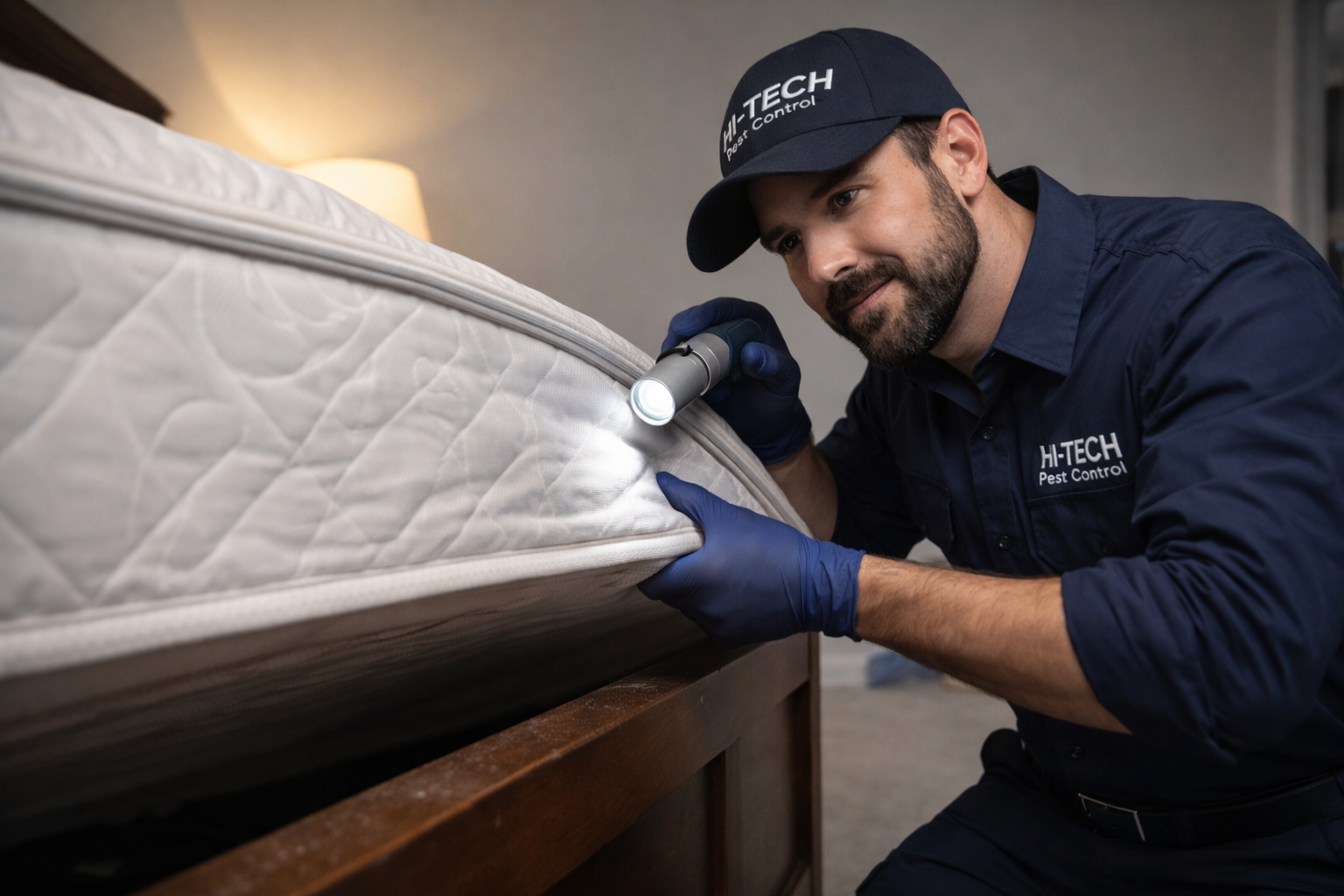
Southgate homeowner attempting to eliminate bed bugs using over-the-counter sprays, dusts, and general-use products while inspecting a bed with a flashlight in a bedroom, illustrating common do-it-yourself bed bug treatment methods that often fail to eliminate an infestation completely.
Bed Bugs in Southgate Michigan — Why Downriver Homes Are Harder to Treat Than You Think | Hi-Tech Pest Control

Bed Bug Education · Southgate Michigan · Downriver Wayne County

Bed Bugs in Southgate Michigan — Why Downriver Homes Are Harder to Treat Than You Think

Hi-Tech Pest Control · Wayne County Bed Bug Specialists Since 1986

If you live in Southgate and you've already tried to deal with bed bugs — whether through a national chain, a local exterminator, or something you bought at the hardware store — and the problem came back, you're not alone. And it's probably not your fault.

Southgate is a Downriver Wayne County city built almost entirely during the postwar housing boom of the late 1940s and 1950s. The bungalows, ranch homes, and Cape Cods that line Southgate's blocks were built quickly, built densely, and built to last. Seventy years later, that construction creates bed bug hiding conditions that most pest control companies are simply not equipped to handle.

This is the thing nobody tells Southgate homeowners when they call a national chain or buy a fogger at the hardware store: the treatment that works in a newer home built with drywall and slab construction often fails completely in Southgate's older postwar homes. And when treatment fails, the infestation doesn't just stay the same — it gets worse.

The Detroit metro area ranked #3 in the nation for bed bug activity in 2025. Southgate — located in Southern Wayne County and bordered by Taylor, Allen Park, Lincoln Park, and Riverview — is an active bed bug market year-round. If you're seeing bites, call 248-569-8001 for a free same-day inspection throughout Southgate zip code 48195.

What Makes Southgate's Postwar Homes Different

To understand why bed bug treatments fail so often in Southgate, you need to understand what makes these homes structurally different from the newer construction that most pest control protocols are designed for.

Southgate's postwar bungalows and ranch homes were built with framing construction that has settled and shifted over seven decades. Original hardwood floors have developed gaps at every seam. Baseboards — installed in the 1940s and 1950s — have accumulated gaps at the floor line through decades of expansion and contraction. Original door casings and window trim carry layer upon layer of paint that fills and then reopens crevices with every season.

And then there are the crawl spaces.

A significant number of Southgate's postwar ranch homes and bungalows were built with crawl spaces rather than full basements — a construction approach extremely common in Southern Wayne County during this era. These crawl spaces create a hidden zone directly beneath the living space that standard pest control treatments never reach. Bed bugs that establish themselves in a Southgate crawl space can repopulate the living area above within days of a surface treatment — making it appear that the treatment failed when in reality it never addressed the real harborage area at all.

Where Bed Bugs Hide in Southgate's Postwar Homes

  • Crawl spaces and subfloor voids beneath living areas
  • Original hardwood floor gaps and subfloor seams
  • Baseboard gaps at the floor line — accumulated over 70+ years
  • Original door casing and window trim crevices
  • Wall voids in original framing construction
  • Mattress seams, box springs, and bed frames
  • Upholstered furniture seams and cushion voids
  • Electrical outlet boxes in older plaster or drywall walls
  • Attached garage entry points and shared utility connections

The Three Reasons Bed Bug Treatments Fail in Southgate

1. Surface Treatments That Miss the Crawl Space

The most common treatment approach — surface spray applied to visible areas including mattress seams, baseboards, and furniture — has a reasonable success rate in homes where bed bugs are confined to the living space. In a Southgate ranch home with a crawl space, it almost always fails.

Bed bugs treated with surface spray retreat from the treated areas into the crawl space below. The resident notices fewer bites for a week or two as the surviving population regroups. Then the crawl space population — which was never treated and never threatened — migrates back upward through floor gaps and utility penetrations. The infestation restarts from exactly the same population that was there before treatment, now potentially more dispersed throughout the structure.

Hi-Tech Pest Control includes crawl space assessment in every Southgate inspection. If bugs are present below the living space, that area is treated as part of the complete elimination — not skipped because it requires extra work.

2. DIY Foggers That Make Things Worse

Bug bombs and foggers are one of the worst things a Southgate homeowner can use for a bed bug infestation — and they're one of the most commonly tried solutions before calling a professional.

Foggers work by dispersing a pesticide mist throughout a room. Bed bugs, unlike flying insects, don't absorb this mist — they retreat from it. A fogger in a Southgate bungalow drives bed bugs deeper into wall voids, floor gaps, and crawl space areas where the fog never penetrates. The result is a more dispersed infestation that is significantly harder to treat than it was before the fogger was used.

If you've already used a fogger in your Southgate home, tell your exterminator. It's important information that changes the inspection approach.

3. Treating One Unit When Spread Has Already Happened

Southgate's tight lot spacing — homes built within feet of each other on narrow postwar lots — creates a proximity risk that doesn't exist in lower-density communities. While bed bugs don't travel through open air between homes, shared utility connections, attached garages, and structural contact points common in postwar construction can create pathways between adjacent properties.

More commonly, spread between Southgate homes happens through resident interaction — a visitor from a neighboring infested home, secondhand furniture exchanged between neighbors, or shared laundry facilities in multi-unit properties. Treating one home while an adjacent infestation goes unaddressed creates conditions for rapid re-introduction.

Getting Bites in Your Southgate Home?

Free same-day inspections throughout Southgate zip code 48195 — 7 days a week, 8:30 AM to 10 PM. We specialize in Downriver postwar residential construction.

📞 Call 248-569-8001 Schedule Free Inspection

How Bed Bugs Get Into Southgate Homes

Understanding introduction pathways matters because re-introduction after treatment is one of the most common reasons infestations return. If the source isn't identified, the same pathway that brought bugs in the first time will bring them back again.

Hotel Travel via I-75

Southgate sits directly on the I-75 corridor with easy access to Detroit Metro Airport. Hotel-origin bed bug infestations — where bugs hitchhike home in luggage from hotel rooms — are the single most consistent introduction source in Southgate year-round. This happens at every hotel price point. Five-star hotels, budget motels, and extended-stay properties all have documented bed bug incidents every year.

Downriver Secondhand Furniture Market

The Downriver communities — Southgate, Taylor, Allen Park, Lincoln Park, Riverview, Wyandotte — have an active secondhand furniture market through estate sales, Facebook Marketplace, and neighborhood resale. Upholstered sofas, mattresses, bed frames, and vintage furniture purchased from private sellers in these communities are among the top three introduction sources for new bed bug cases in Southgate homes every year. Even clean-looking furniture from a trustworthy-seeming seller can harbor an active infestation invisible to the naked eye.

Visitors from Neighboring Downriver Cities

Southgate borders Taylor to the west — one of Southern Wayne County's most active bed bug markets — and Allen Park and Lincoln Park to the north. Frequent social interaction between residents of these neighboring Downriver communities creates consistent re-introduction risk. A friend or family member visiting from an infested Taylor or Lincoln Park home can introduce bugs through infested luggage or clothing in a single visit.

Rental Property Turnover

Southgate has seen growing rental activity as longtime homeowner families age out and properties transition to rental use. Tenant turnover in Southgate's converted rental homes creates consistent introduction risk — move-in furniture, prior tenant infestations left unaddressed, and secondhand purchases by new tenants are all active introduction pathways in the city's expanding rental segment.

Signs of Bed Bugs in Your Southgate Home

In Southgate's postwar homes — where bugs can spread quickly from the living space into crawl spaces and wall voids — catching an infestation early is especially important. Early treatment in one room costs a fraction of what whole-home treatment costs after bugs have spread throughout the structure.

  • Unexplained bites in clusters or lines — typically on arms, shoulders, neck, and legs. Bites often appear overnight and are frequently mistaken for mosquito bites or allergic reactions.
  • Small blood spots on sheets or pillowcases — from bugs being crushed during sleep.
  • Dark rusty staining along mattress seams or baseboards — bed bug excrement that leaves permanent dark spots on fabric and painted surfaces.
  • Shed skins near furniture legs and baseboards — bed bugs shed their exoskeleton five times before reaching adulthood.
  • Live bugs in furniture seams or behind outlet covers — adult bed bugs are roughly the size and color of an apple seed.
  • A faint sweet or musty odor in the bedroom — heavy infestations can produce a distinctive scent from the bugs' scent glands.

Don't wait if you're seeing bites. In Southgate's postwar homes with crawl spaces and abundant structural harborage, a bedroom infestation can spread to wall voids and subfloor areas within two to three weeks. Early treatment is dramatically less costly than treatment after the infestation has spread. Call 248-569-8001 for a free same-day inspection.

What Actually Works for Bed Bug Elimination in Southgate

Effective bed bug treatment in Southgate's postwar housing stock requires three things that most companies don't provide together: a complete inspection that includes crawl spaces and structural harborage areas, a treatment approach that reaches every hiding spot in older construction, and a warranty that means the job isn't done until it's actually done.

Hi-Tech Pest Control has treated Southgate and Southern Wayne County homes for over 40 years. We have been treating Downriver postwar construction since before most of our competitors existed. We know where bugs hide in these homes — not just the obvious spots, but the crawl space voids, the original baseboard gaps, the hardwood floor seams, and the structural pathways that accumulate in homes over seven decades of settling.

Our professional-grade chemical approach reaches every harborage area in your Southgate home — eliminating all life stages including eggs hidden deep in structural voids where no surface spray will ever reach. We do it in one complete visit. And Michigan's only 6-month warranty means if anything survives, we come back at no charge.

Why Southgate Homeowners Choose Hi-Tech

  • 40+ years treating Downriver Wayne County postwar construction
  • Crawl space assessment and treatment included on every job
  • One-visit elimination — bites stop the same night of treatment
  • All life stages eliminated including eggs in structural voids
  • Michigan's only 6-month bed bug warranty on every job
  • Free same-day inspections — no charge ever
  • Furniture saved in virtually every Southgate home we treat

Southgate Renters — What You Need to Know

If you're renting in Southgate and have discovered bed bugs, Michigan law generally requires landlords to maintain rental properties free of pest infestations. If you've reported the problem to your landlord and they haven't responded, you have options.

Hi-Tech Pest Control provides free inspections for Southgate renters regardless of landlord authorization. We provide written documentation of our findings — a professional inspection report you can present to your landlord or property management company as formal notice. This documentation creates an important paper trail if the situation escalates to a legal dispute.

If you're in a multi-unit property and believe bugs are spreading from an adjacent unit, mention this when you call. We'll assess the full situation and provide documentation covering the building-wide picture — not just your individual unit.

Frequently Asked Questions — Bed Bugs in Southgate Michigan

Why did my bed bug treatment fail in my Southgate home?

The most common reasons treatments fail in Southgate's postwar homes are incomplete coverage of crawl space areas, surface-only treatments that miss bugs inside original baseboard gaps and hardwood floor voids, and DIY foggers that scatter bugs deeper into the structure rather than eliminating them. If you've had a failed treatment, call Hi-Tech — we find and treat the areas other companies miss, and our 6-month warranty means you're covered if anything survives our treatment.

Do you treat crawl spaces in Southgate homes?

Yes — and this is one of the most important differentiators for Hi-Tech in Southgate specifically. Many pest control companies skip crawl space assessment entirely. In Southgate's ranch homes and bungalows, that's often where the bugs that restart the infestation are hiding. Our complete inspection includes crawl space evaluation on every Southgate job where applicable.

How much does bed bug treatment cost in Southgate Michigan?

Bed bug treatment in Southgate ranges from $500–$900 for early-stage single-room infestations to $2,000–$4,000 for severe whole-home cases including crawl space treatment. Hi-Tech provides free same-day inspections with written quotes throughout Southgate 48195. Every treatment includes Michigan's only 6-month warranty at no additional charge.

How fast do bed bugs spread in a Southgate bungalow?

In Southgate's postwar homes with crawl spaces and abundant structural harborage, bed bugs can spread from a primary bedroom infestation to adjacent rooms and subfloor areas within two to three weeks. The interconnected structural voids in these older homes allow faster spread than in newer construction. Early treatment — before bugs establish themselves in crawl spaces and wall voids throughout the home — is critical to keeping elimination costs manageable.

Can I use a bug bomb or fogger for bed bugs in my Southgate home?

No — and this is especially important in Southgate's older homes. Foggers drive bed bugs deeper into crawl spaces, wall voids, and structural harborage areas where they survive untouched and then repopulate the living space. Using a fogger before professional treatment makes the job significantly harder and more expensive. If you've already used a fogger, tell your exterminator — it changes the inspection approach.

Free Same-Day Bed Bug Inspection in Southgate Michigan

Hi-Tech Pest Control serves Southgate zip code 48195 — 7 days a week, 8:30 AM to 10 PM. One-visit elimination. Crawl space specialist. Michigan's only 6-month warranty.

📞 Call 248-569-8001 Schedule Free Inspection

Should I Throw Away My Mattress If I Have Bed Bugs? | Hi-Tech Pest Control

Bed Bug Expert Advice · Hi-Tech Pest Control

Should I Throw Away My Mattress If I Have Bed Bugs?

Before you drag anything to the curb — read this. Throwing away your mattress is almost always the wrong move, and it can make your infestation significantly worse.

It's one of the first things people do when they discover bed bugs — strip the mattress, drag it outside, and assume the problem is solved. It feels like the right move. The bugs are called bed bugs, after all. Get rid of the bed, get rid of the bugs.

But this is one of the most expensive mistakes a homeowner can make — and Hi-Tech Pest Control technicians see it happen every season across Southeast Michigan. Not only does throwing away your mattress almost never solve a bed bug infestation, it can actively make it worse. Here's everything you need to know before you touch a single piece of furniture.

Stop — Don't move anything yet.

Moving infested furniture through your home spreads bed bugs to rooms that weren't affected. Call Hi-Tech at 248-569-8001 for a free same-day inspection before you move, bag, or discard anything.

The Technician Needs to See the Infestation First

When a Hi-Tech technician arrives at your home, the first thing they do is a full inspection — and what they find on and around your mattress tells them everything. The mattress is evidence. It shows the stage of the infestation, how long it has been active, how severe it is, and where the colony is concentrated.

Bed bug infestations have distinct stages:

  • Early stage — small number of adults, few eggs, limited spread. Easiest and least expensive to treat.
  • Moderate stage — established colony, eggs present in seams and tufts, beginning to spread to nearby furniture.
  • Advanced stage — large colony, multiple harborage sites throughout the room, possibly spread to adjacent rooms.

If you throw away the mattress before the technician arrives, you've eliminated the primary piece of evidence. The technician can no longer accurately assess the stage, the severity, or the concentration of the infestation. That makes treatment harder, not easier — and it doesn't remove a single bed bug from your home.

The question the technician is trying to answer: Where are they? How many? How long have they been here? Throwing away the mattress before inspection removes the clearest answer to all three questions.

Are You Throwing Away the Bed to Sleep — or Because You Think the Bugs Will Leave With It?

This is the question Hi-Tech technicians ask homeowners who have already discarded their mattress. The answer is almost always the same: "I thought if I got rid of the mattress, I'd get rid of the bed bugs."

That's not how bed bugs work. Bed bugs don't live exclusively in mattresses — they live anywhere within 5 to 8 feet of where you sleep. They hide in:

The Bed Frame

Joints, screw holes, and hollow legs of bed frames are prime harborage sites — often more heavily infested than the mattress itself.

Baseboards & Outlets

Bed bugs travel along baseboards and nest behind electrical outlet covers within feet of the bed.

Wall Voids

In established infestations, bed bugs move inside walls and travel to adjacent rooms — completely unaffected by what you do to the mattress.

Nightstands & Dressers

Any furniture within reach of where you sleep is a potential harborage site — drawers, joints, and the undersides of nightstands.

Box Springs

The fabric lining and internal frame of a box spring often harbors more bed bugs than the mattress above it.

Carpet & Flooring

Bed bugs hide along carpet edges, under rugs, and beneath flooring gaps — especially near the bed and along travel routes.

Removing the mattress removes one harborage site while leaving dozens of others completely untouched. The colony continues. The bites continue. And now you've spent hundreds of dollars on a new mattress that will be infested within days — because the source was never treated.

What About the Couch? The Recliner? The Dining Room Chairs?

People call them bed bugs — so everyone focuses on the bed. But bed bugs go where the people are, not just where they sleep. If someone spends several hours a night on the couch, the recliner, or a favorite chair, those pieces of furniture become just as infested as the mattress — sometimes more so.

Hi-Tech technicians regularly find heavier bed bug activity in living room furniture than in the bedroom — particularly in homes where someone sleeps on the couch or spends significant time in a recliner. The bugs follow the host.

The Furniture That Gets Overlooked — And Shouldn't

Sofas & Sectionals

Sectional sofas are among the most difficult furniture to treat because of the number of joints, cushion seams, and hidden cavities. Each section connection point is a prime harborage area. A heavily infested sectional takes more treatment time than a mattress — but Hi-Tech treats and saves it in one visit.

Sleeper Sofas

Sleeper sofas have a folding metal frame mechanism inside — a perfect harborage structure with dozens of joints, springs, and hidden recesses. These require specific treatment attention and are one of the most commonly missed infestation sites in DIY attempts.

Recliners

The reclining mechanism, arm joints, and thick cushion seams of a recliner create dozens of harborage points. Someone who spends several hours nightly in a recliner is feeding the colony there just as much as in a bed.

Dining Room Chairs

Upholstered dining chairs with fabric undersides, padded seats, and joint connections are a frequently overlooked spread point — especially in open floor plans where the dining area is close to the living room.

If you throw away the mattress and replace it — but the couch, the recliner, and the chairs remain untreated — you will have bites again within days. The infestation was never in just one place.

Are You Throwing It Away Because of the Stains?

This is something Hi-Tech technicians hear more often than you might expect — and it's completely understandable. Bed bug infestations leave visible evidence on mattresses: small rust-colored blood spots from crushed bugs, and dark brown or black fecal stains around seams and tufts. They're unsightly, and many homeowners feel embarrassed by them.

You don't need to throw away the mattress because of the stains. Hi-Tech cleans the mattress as part of the treatment process. After treatment, a quality mattress encasement covers the entire mattress surface — and it will look completely clean and brand new. The encasement also provides ongoing protection, trapping any remaining eggs until they die and preventing re-infestation of the mattress surface.

Hi-Tech cleans the mattress. You keep it. It looks brand new.

Treatment + cleaning + encasement = a mattress that shows no evidence of infestation and is fully protected going forward. No need to spend $800–$2,000 on a replacement that will be re-infested within days if the source isn't treated.

Hi-Tech Treats Everything the Same Day — You Keep 100% of Your Furniture

This is where Hi-Tech is different from the approach that leads homeowners to throw away furniture in the first place. Some pest control companies require multiple visits over weeks or months — and during that waiting period, homeowners feel like they have to do something. They throw away the mattress. Then the couch. Then the recliner. By the time treatment is complete, they've discarded thousands of dollars of furniture that could have been saved.

Hi-Tech eliminates the infestation in a single visit — the same day you call. Every piece of furniture is treated: the mattress, the box spring, the bed frame, the couch, the sectional, the recliner, the chairs. Everything is cleaned. Everything is treated. You keep all of it.

Without Professional Help

  • Throw away mattress — $800–$2,000 to replace
  • Throw away couch — $1,000–$4,000 to replace
  • Throw away recliner — $500–$2,000 to replace
  • Bugs return — infestation was never treated
  • New furniture re-infested within days
  • Months of bites, lost sleep, and stress

With Hi-Tech Same-Day Treatment

  • Keep the mattress — cleaned and encased
  • Keep the couch — treated completely
  • Keep the recliner — treated same visit
  • Colony eliminated in one visit
  • Bites stop the same night
  • 6-month warranty — we come back free if needed

When Is Throwing Away Furniture Actually Acceptable?

There is one situation where discarding a mattress or piece of furniture makes sense: when you are attempting to treat yourself without professional help, and the furniture is so heavily infested or structurally damaged that it cannot realistically be treated effectively with consumer-grade products.

Even then — if you choose to discard infested furniture, it must be done carefully. Dragging an infested mattress through your home drops bed bugs and eggs on every surface it passes. The mattress should be bagged completely before it is moved, and clearly labeled as infested so no one else picks it up and brings the infestation into their own home.

But understand this: discarding furniture is a cost-management decision for DIY treatment — not a treatment strategy. Throwing away furniture without treating the room, the remaining furniture, and the harborage sites accomplishes nothing except an expensive replacement.

Michigan's Only 6-Month Bed Bug Warranty

Hi-Tech Pest Control is the only bed bug exterminator in Michigan offering a 6-month warranty. If bed bugs return within 6 months of treatment, we come back and retreat at absolutely no charge. No other company in Southeast Michigan offers this guarantee — because no other company is confident enough in their single-visit elimination to back it up.

That warranty covers your mattress, your furniture, your entire home. You don't need to throw anything away to be protected.

Frequently Asked Questions

Do bed bug sniffing dogs help find infestations?

Bed bug detection dogs can locate infestations by scent — including hidden colonies inside walls and furniture that aren't visually obvious. They can be useful for confirming suspected infestations in hard-to-inspect areas. However, a thorough visual inspection by an experienced technician covers the most common harborage sites effectively. Hi-Tech's 40+ years of Southeast Michigan experience means our technicians know exactly where to look — and they find infestations other companies miss every day.

Will Hi-Tech treat the same day I call?

Yes. Hi-Tech offers same-day inspections and same-day treatment throughout Southeast Michigan. We answer 7 days a week from 8:30 AM to 10:00 PM — including weekends. If you call in the morning, we can inspect and treat that afternoon. Bites stop the same night as treatment in virtually every case.

How much does bed bug treatment cost in Michigan?

Hi-Tech bed bug treatment in Southeast Michigan costs $500–$900 for early-stage infestations in 1 room, $900–$2,000 for moderate infestations across 2–3 rooms, and $2,000–$4,000 for severe whole-home infestations. Apartment units start at $275–$375. All pricing includes the free inspection, same-day treatment, furniture cleaning, and Michigan's only 6-month warranty. One professional treatment costs far less than replacing the furniture you'd throw away trying to handle it yourself.

Do I need to do anything to prepare before Hi-Tech arrives?

Do not move furniture, bag items, or throw anything away before the inspection. Leave everything in place so the technician can assess the full scope of the infestation accurately. Hi-Tech will give you specific preparation instructions after the inspection and before treatment begins.

Wayne · Oakland · Macomb County · Same-Day Service

Don't Throw Away Your Furniture.
Call Hi-Tech — We Save It.

Same-day inspection and treatment. Michigan's only 6-month warranty. Free inspection — no hidden fees.

7 days a week  ·  8:30 AM–10 PM  ·  Locally owned since 1986

CALL NOW – 248-569-8001