What To Do If a Bed Bug Treatment Failed (And How to Know the Difference)
What To Do If a Bed Bug Treatment Failed (And How to Know the Difference)
Bed bugs have earned a reputation for being stubborn pests, but the truth is simpler: a properly engineered treatment should stop the biting quickly. If you have recently had your home treated and are wondering whether the treatment worked—or failed—there are clear signs that will help you determine the difference.
At Hi-Tech Pest Control, we have treated bed bug infestations across Southeast Michigan for decades. Understanding what should happen after treatment can help homeowners avoid unnecessary stress and recognize when something truly needs attention.


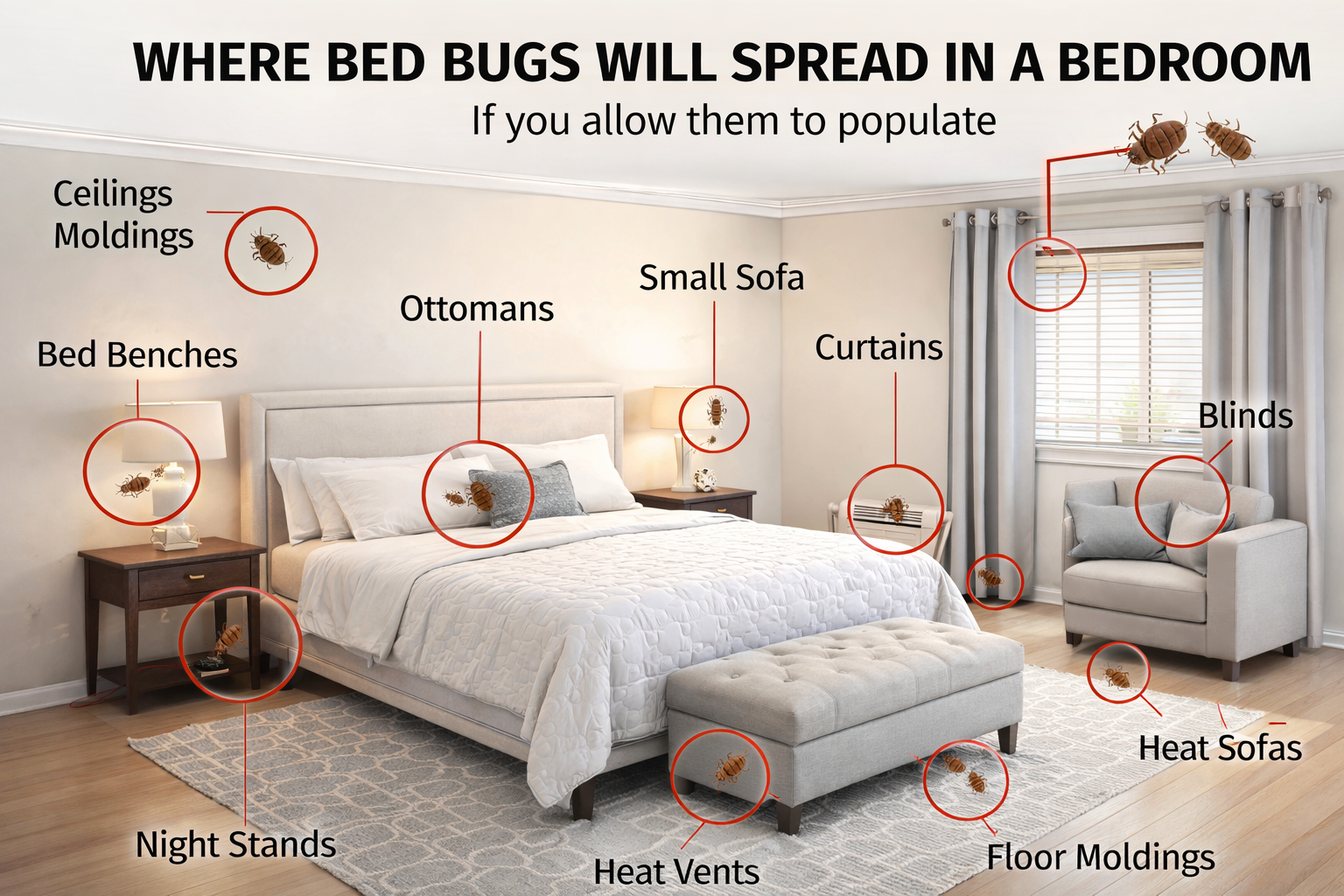

The First Sign of Success: Bites Stop
The very first sign that a bed bug treatment is working is simple:
The bites stop.
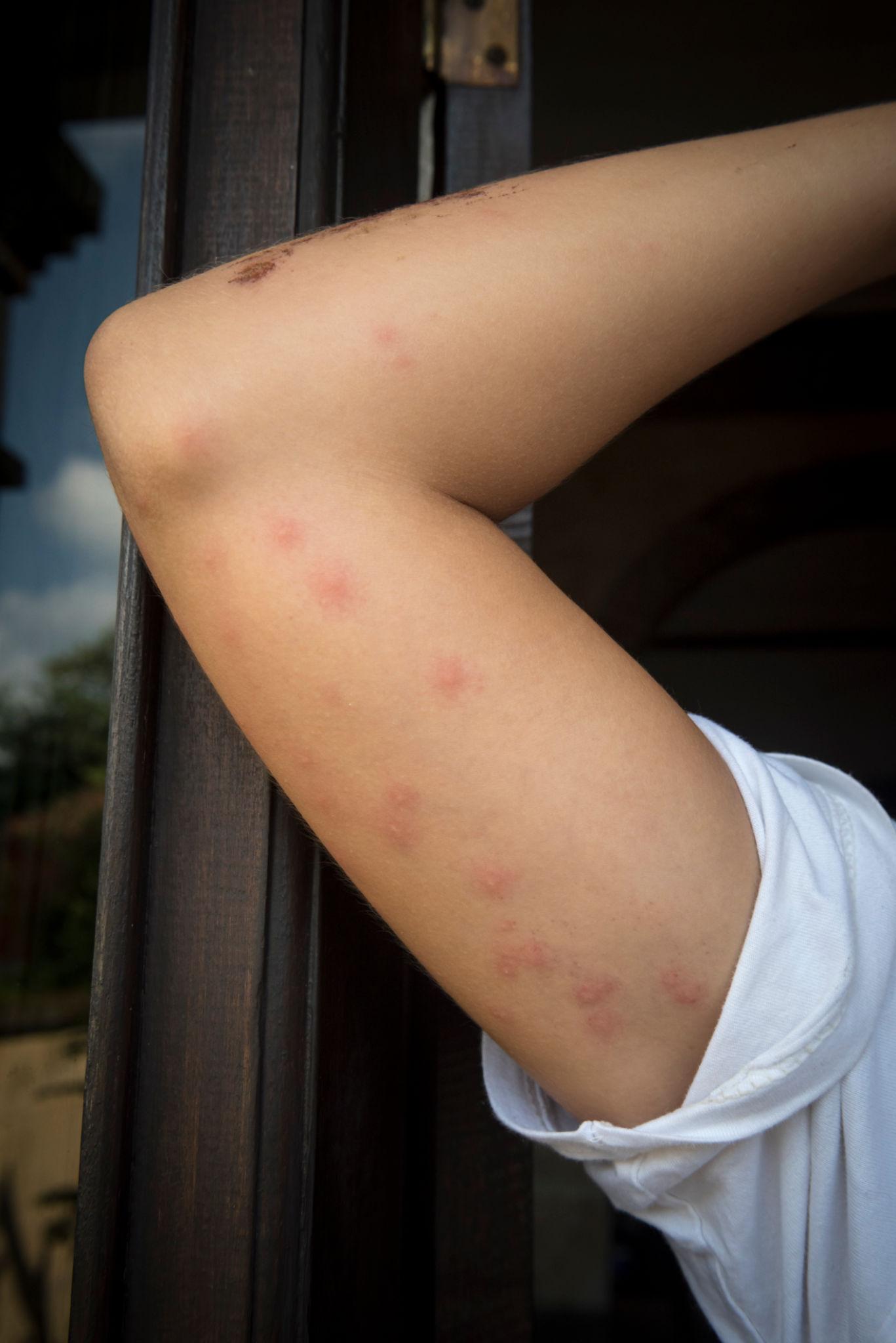
Bed bugs feed every few days. If the infestation has been eliminated, the cycle of nighttime bites should stop almost immediately after treatment. Many customers report that the first night after treatment is the first peaceful night of sleep they have had in weeks.
If bites continue on the same schedule as before treatment, that is the strongest indication that the infestation may still be active.
For more information about professional bed bug elimination, see our main service page:
👉 Hi-Tech Pest Control bed bug services at https://hi-techpestcontrol.com/bed-bug-exterminator/
Why Some Treatments “Fail”
When homeowners are told they will need four or five treatments, that often signals that the company’s method is not designed to eliminate the infestation completely.
In the pest control industry, phrases like:
- “We will need multiple treatments”
- “We will keep coming back”
- “Bed bugs take months to eliminate”
often mean the technician is managing the infestation rather than eliminating it.
A properly engineered treatment targets all stages of the bed bug population at once, which dramatically reduces activity immediately.
Expect Dead Bed Bugs After Treatment
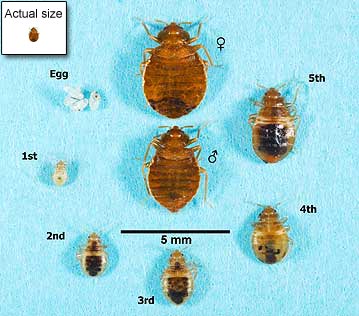
After a successful treatment, it is completely normal to see:
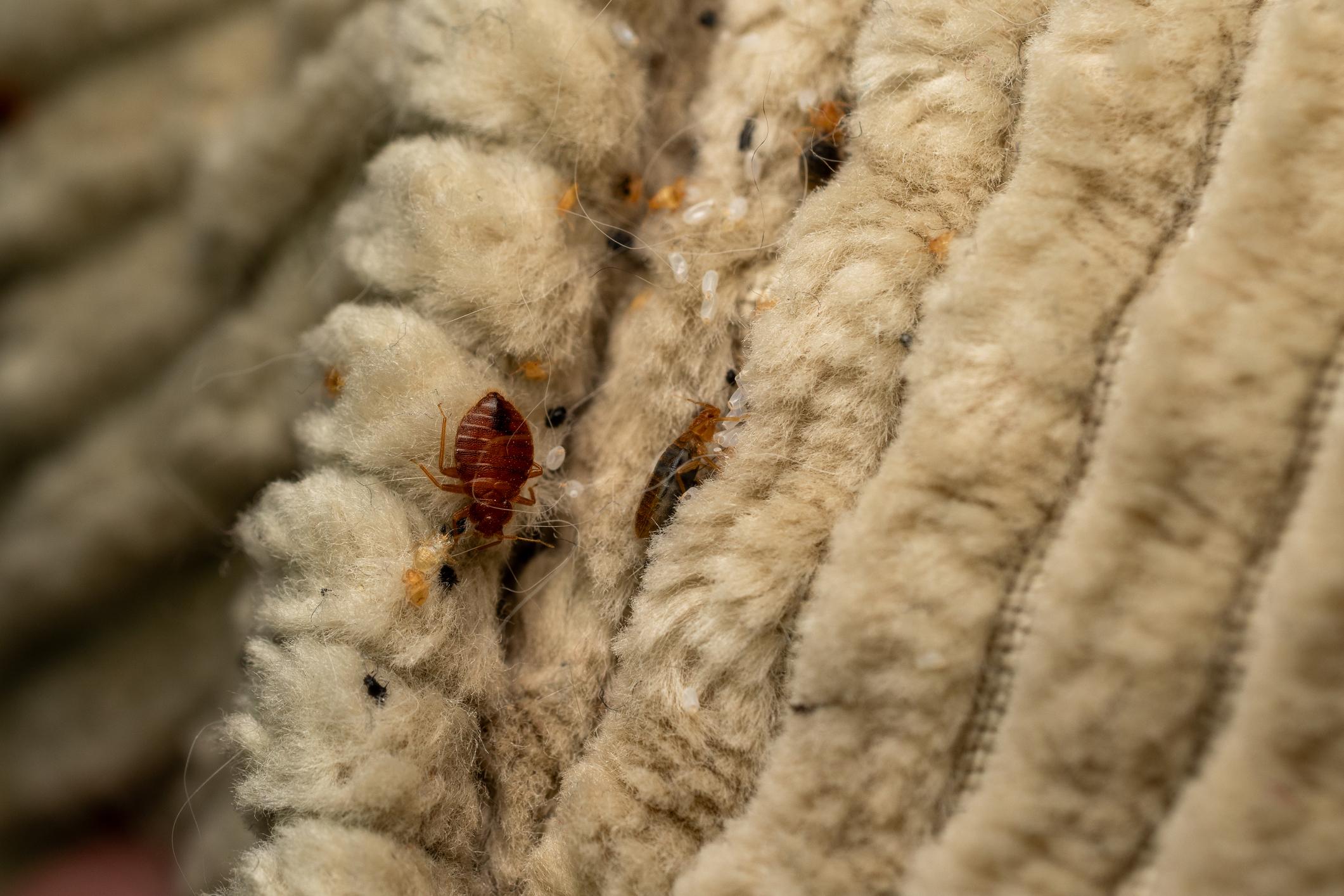
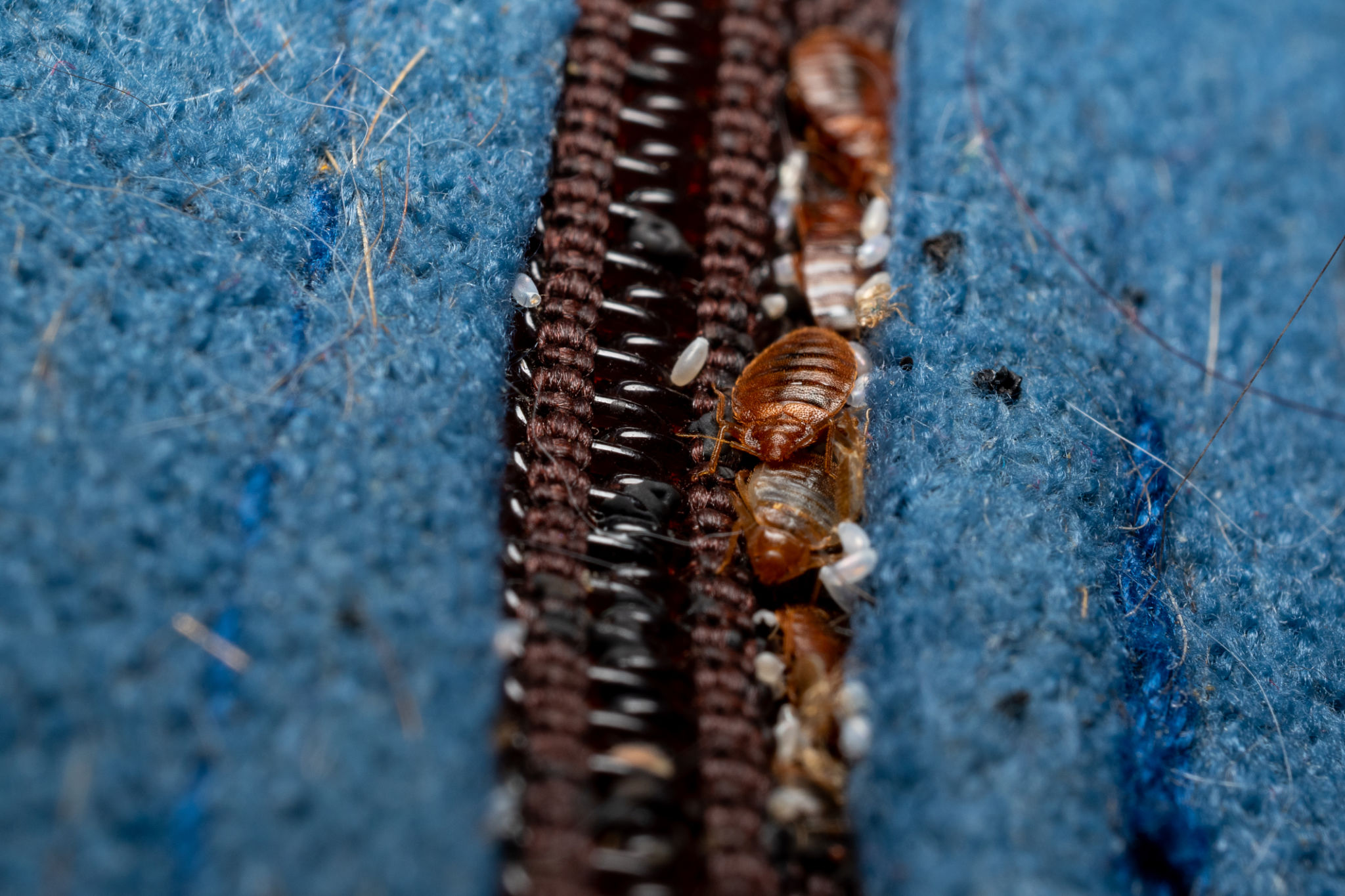
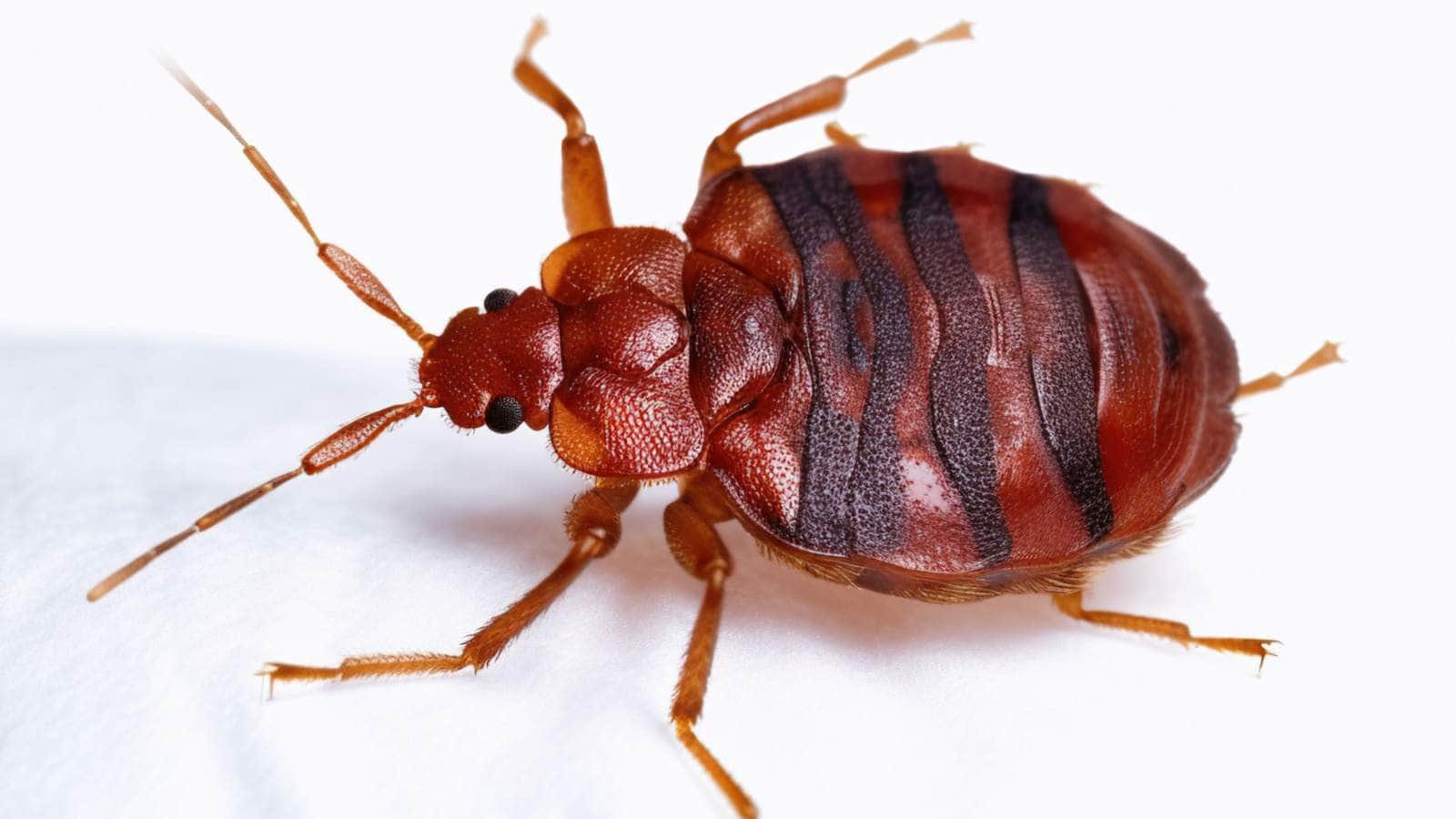
- dead bed bugs
- dying bed bugs
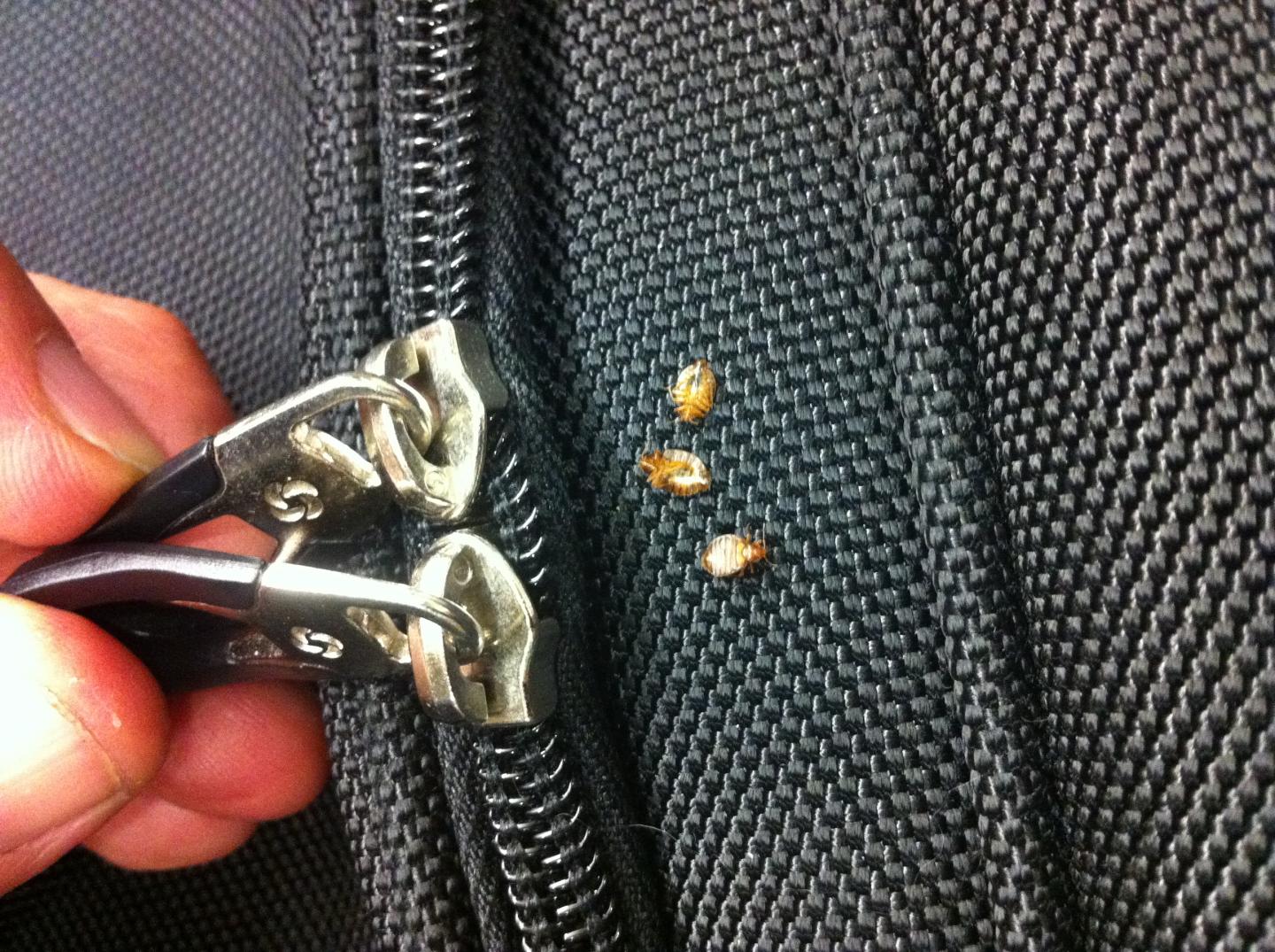
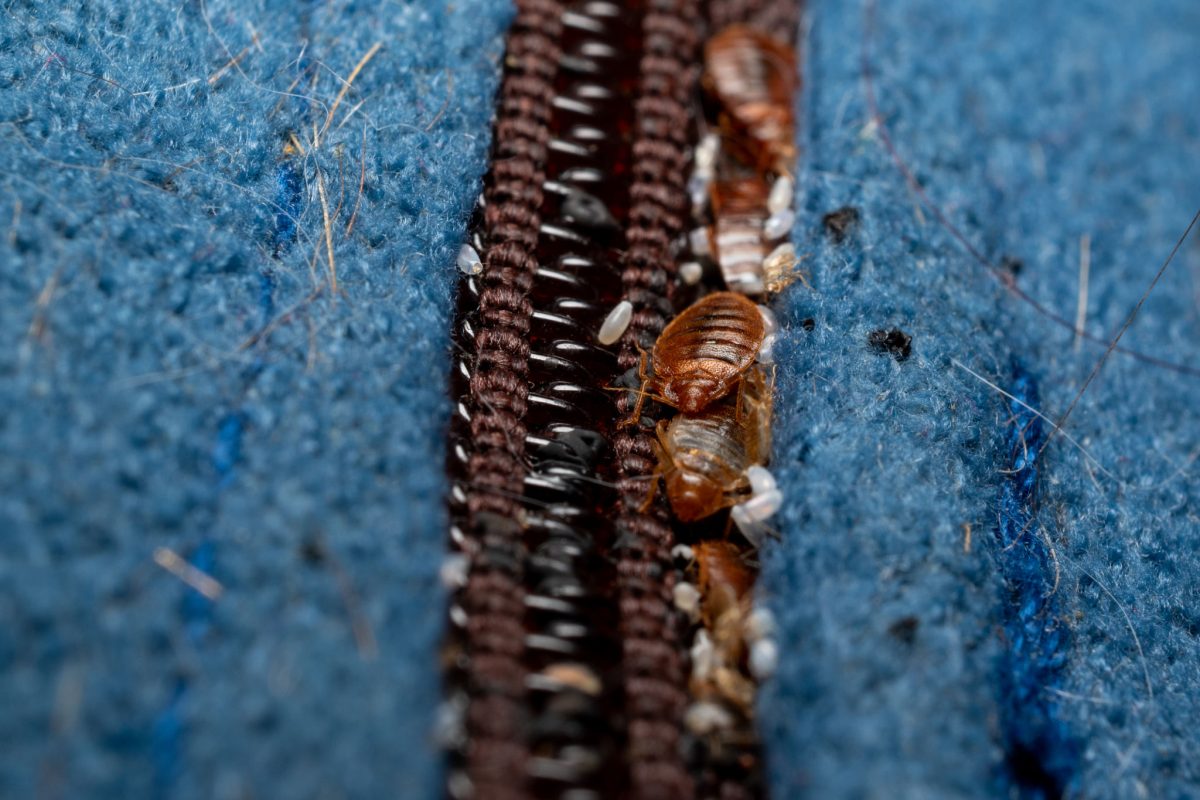
- bed bugs crawling out of hiding places
Why does this happen?
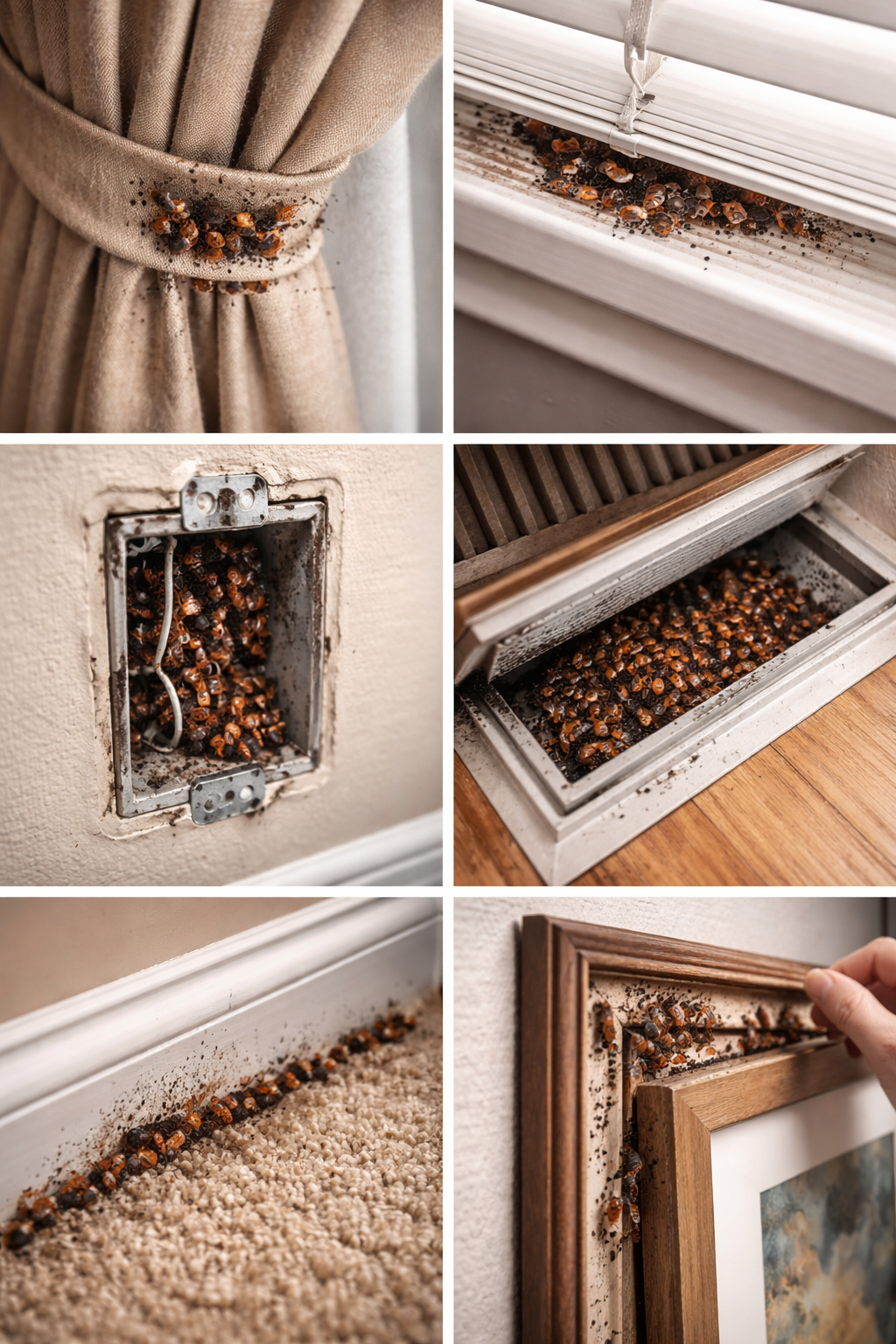
Because treatment products penetrate deep into cracks, furniture, and wall voids where bed bugs hide. When exposed, they are forced out of their nests.
You might even see a bed bug crawling up a wall. If you could hear him talk, he might say something like:
“I don’t even want to be on this wall. Something is very wrong here.”
That bed bug has been exposed to treatment and is sick or dying.
Most sightings should stop within 24 to 48 hours, once the hidden population has been flushed out and eliminated.
Furniture Replacement Can Cause Delayed Problems
Another situation that sometimes confuses homeowners occurs when furniture has been discarded. And homeowners think that solves the bed bug issue.
For example:
- Infested furniture is removed.
- The home is temporarily free of bites.
- New furniture is brought into the home.
If bed bugs survived elsewhere, they may slowly re-infest the new furniture and begin feeding again.
Because bed bugs reproduce slowly, this process can take:
3 months or longer
before the population becomes noticeable again.
This is why proper inspection and treatment are critical before replacing furniture. Kill the bed bugs first!
The Myth of Bed Bugs Traveling Through Walls
Apartment residents sometimes worry that bed bugs are constantly coming from neighboring units. In reality, this situation is much less common than people think.
For bed bugs to travel between apartments through walls or floors, the neighboring unit would need to have an extremely large infestation.
In other words, the infestation would have to be so severe that it would resemble hitting the lottery—just not the good kind.
In most cases where bed bugs appear again, they were reintroduced through:
- infested belongings
- furniture
- guests who unknowingly carried them
When Is a Bed Bug Problem Truly Solved?
Success is not determined by a single inspection. Instead, it is determined by a period of time with no evidence of bed bugs.
Signs that the infestation has been eliminated include:
- no new bites
- no live bed bugs
- no new fecal spotting
- no shed skins
- no activity in monitoring traps
After sufficient time has passed without any signs of bed bugs, homeowners can be confident that the infestation has been resolved.
Why Hi-Tech Pest Control Offers Long Warranties
At Hi-Tech Pest Control, our approach is based on decades of experience with bed bug elimination.
Our treatments are designed to:
- eliminate active infestations quickly
- prevent surviving bed bugs from re-establishing a population
- protect the home with residual control
Because of this approach, we provide long-term warranties that give homeowners confidence that the problem has been solved.
When bed bugs encounter our treatments, they quickly learn that they are no longer welcome occupants in that home or business.
Bed Bug Help in Southeast Michigan
If you believe a previous treatment failed or you are still experiencing bites, professional inspection is the first step toward solving the problem.
Hi-Tech Pest Control provides bed bug elimination services throughout Southeast Michigan, including:
- Livonia Bed Bug Exterminator
- Warren Bed bug exterminator
- Westland Bed bug exterminator Michigan
- Canton bed bug exterminator
- Farmington Hills bed bug removal
Learn more about our professional extermination services here:
👉 https://hi-techpestcontrol.com/bed-bug-exterminator/
Need Help Right Away?
If bed bugs are disrupting your sleep, professional help can eliminate the infestation quickly.
Call Hi-Tech Pest Control today: 248-569-8001
Sleep should be peaceful again—and with the right treatment, it can be.