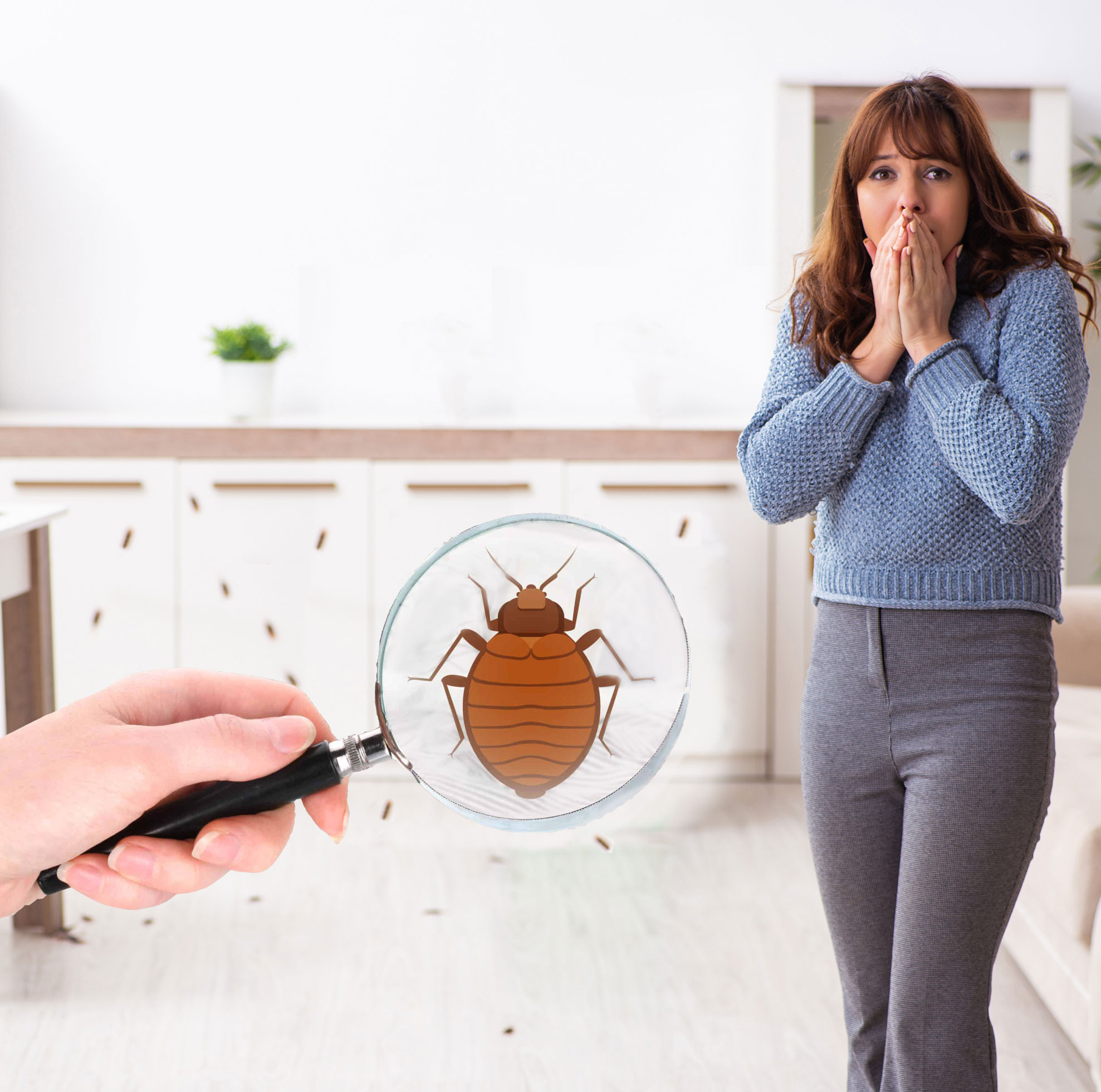
How to Know If Your Bed Bug Treatment Was Successful

How to Know If Your Bed Bug Treatment Was Successful

How to Know If Bed Bug Treatment Worked | Signs of Successful Elimination

Wondering if your bed bug treatment worked? Learn the real signs of successful bed bug elimination, what is normal after treatment, and when to call your exterminator.


Call Now!Schedule Appointment
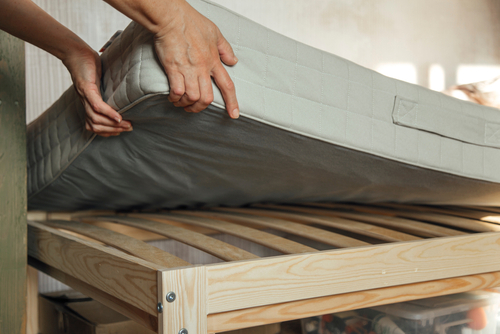
Clean mattress and bedroom after professional bed bug treatment showing no visible infestation or live bed bugs.
Homeowner sleeping comfortably after successful bed bug extermination with no new bites or feeding activity.
Bed bug interceptor trap under bed leg used to confirm successful bed bug treatment and no continued activity.
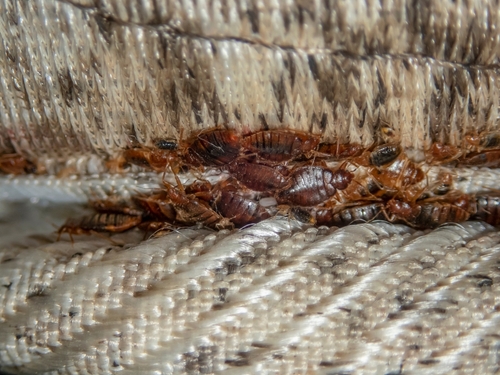
Mattress seam previously infested with bed bugs now clean after professional bed bug treatment and nest removal.
Calendar marking 30-day follow-up period after bed bug treatment to confirm full eradication and no reinfestation.

After a bed bug treatment, most customers ask the same question:

“How do I know they’re really gone?”

The answer is not emotional — it’s behavioral.

Successful bed bug control is measured by evidence, feeding activity, and population collapse — not fear or assumption.

There are generally three types of post-treatment reactions, and understanding which category you fall into helps determine your next step. Experienced Bed Bug Exterminator Eager to Serve You.

The 3 Types of Post-Treatment Customers

1️⃣ The “They Must Still Be Here” Group (Approx. 34%)

These customers experience:

  • No bites
  • No sightings
  • No activity

Yet still believe the infestation remains.

Often they assume repeated treatments are what finally eliminate bed bugs. In reality, unnecessary follow-ups can create a cycle of continued chemical application without evidence.

Professional protocol requires:

  • Positive identification BEFORE treatment
  • Positive identification AFTER treatment if activity continues

A home should never be retreated without confirmed evidence.

If there are:

  • No bites
  • No blood spots
  • No cast skins
  • No live bed bugs

Then the infestation is likely resolved.

2️⃣ The “Every Mark Is a Bite” Group (Approx. 12%)

After treatment, any skin irritation may be mistaken for bed bugs.

Important facts:

  • Bed bug bites usually itch.
  • They often appear in clusters or linear patterns.
  • They typically appear overnight.

If a mark:

  • Does not itch
  • Does not resemble insect feeding
  • Appears randomly

It is likely unrelated.

Skin conditions, stress reactions, or normal irritation are commonly confused with bites.

Diagnosis should be based on:

  • Physical evidence
  • Interceptor traps
  • Two-sided tape monitoring
  • Verified live specimens

Not skin reactions alone.

3️⃣ The “Ongoing Infestation” Group (Approx. 54%)

If:

  • Feeding continues
  • New bites occur daily
  • Live clusters are visible
  • Nesting areas remain intact

Then the treatment likely failed.

Your first and most important metric is:

Feeding must stop.

If bed bugs continue to feed, they will:

  • Mature
  • Reproduce
  • Lay eggs
  • Expand infestation

No reduction in activity = treatment failure. Thorough bed bug inspection Service.

What Should Happen After Successful Treatment?

Immediately after a properly executed treatment:

Feeding should stop
Visible clusters should be removed
Nesting areas should be eliminated
Population should collapse

If heavy infestations existed (visible nests and clusters), those clusters must be physically removed.

If they were not removed, full eradication is unlikely. Michigan bed bug exterminator Specialists.

What Is Normal After Treatment?

You may occasionally see:

• A single bed bug wandering
• A weakened bed bug on a wall
• A dying bed bug in a bathroom

This can happen for 4–6 weeks.

Bed bugs do not normally travel up walls unless:

  • They are stressed
  • They are sick
  • They are disoriented
  • Their harborage was disturbed

One isolated sighting does not equal failure.

Continued feeding does.

When Should You Call for a Follow-Up?

You should call your pest control operator if:

You are still getting consistent bites
You see active clusters
You see eggs and live activity in harborages

Most professional companies offer a 30-day no-charge follow-up if activity continues.

However:

Do not call another company immediately if:

  • You saw one single bug
  • You have no bites
  • There is no physical evidence

Allow 4–6 weeks for residual control to complete population elimination. Professional.

The Furniture Myth

Throwing away furniture rarely solves bed bug infestations.

In fact:

  • The most infested item is often not what you think.
  • Removing furniture may remove the least infested piece.
  • Bed bugs can remain in walls, molding, outlets, and cracks.

If treatment fails, they will reinfest new furniture over time.

You cannot eliminate bed bugs by discarding belongings alone.

How Long Until You Can Relax?

True confirmation takes time.

If you:

  • Experience no bites
  • See no live activity
  • Have no evidence in monitors

After 5–6 months, you can be confident the infestation is resolved.

Bed bugs do not remain dormant for months without feeding if a host is present.

If they were alive, they would find you. Livonia Michigan trusted bed bug inspector.

The Importance of Positive Identification

Before ANY treatment:

A live specimen should be confirmed
Photos or physical capture should be verified
Monitoring devices should show evidence

Treating without positive identification can lead to:

  • Unnecessary treatments
  • Psychological distress
  • Financial waste
  • Repeated applications with no pest present

Professional bed bug control begins with proof. Certified Bed Bug Inspection.

Conclusion

Successful elimination depends on:

  • Accurate identification
  • Proper removal of harborages
  • Residual control
  • Monitoring
  • Honest follow-up

If feeding stops, nests are gone, and no evidence remains — the treatment worked.

If feeding continues — it didn’t.

It’s that simple. Licensed bed bug exterminator near you.

Still Getting Bit After Bed Bug Treatment? Here’s What It Really Means

Still Getting Bit After Bed Bug Treatment? Here’s What It Really Means

If you are still getting bitten after a bed bug treatment, you are not imagining it — and you are not crazy.

The most important benchmark in any successful bed bug treatment is simple:

The feeding must stop.

Not sightings.
Not dead bugs in a bathroom.
Not promises of “give it time.”

The biting must stop.

If it doesn’t, something went wrong.

Call NowSchedule Appointment

What Does Continued Biting Actually Mean?

In bed bug control, success is not measured by:

• Seeing fewer bugs
• Finding a dead bug somewhere
• A technician saying “that’s normal”

Success is measured by one thing:

Feeding interruption.

Bed bugs must feed every 3–7 days.
If bites continue beyond that window, active bugs are still alive and feeding.

That is not a “transition phase.”
That is survival. Professional bed bug exterminator.

Why Do Some Companies Require 3–4 Visits?

Most companies design their bed bug program around:

• Multiple chemical rotations
• Scheduled reapplications
• “Monitoring and evaluation” periods
• 30-day observation windows

In many cases, this means the infestation is suppressed — not eliminated.

The industry standard often allows 30 days to demonstrate “reasonable control.”

But here is the issue:

Bed bugs reproduce quickly in that window.

If feeding continues, population growth continues. Hi-Tech Pest Control has Engineered bed bug treatment programs.

What About Sightings After Treatment?

Sightings and bites are not equal.

You may see:
• A dead bed bug days later
• A live bug emerging from a treated void
• A bug climbing a wall

That alone does not determine failure.

But continued biting does.

Bites always supersede sightings.

If biting continues, the infestation remains active.

Why Do So Many Treatments Fail?

Bed bugs are not a general pest.

They are:

• Behavioral specialists
• Hitchhiking parasites
• Resistant in many regions
• Experts at concealment

They hide in:

• Box spring seams
• Furniture joints
• Wall voids
• Electrical outlets
• Vehicles
• Adjacent units

An incomplete inspection equals incomplete elimination.

And incomplete elimination equals repopulation.

What Happens When Furniture Is Thrown Away?

One of the most common scenarios we see:

• A company advises discarding furniture
• New furniture is brought in
• Biting resumes
• The homeowner is told it’s “new activity”

In reality, the original population was never fully eliminated.

Repopulation is not the same as new introduction.

It is survival. Commercial Bed Bug Treatments available.

The Hard Truth About Bed Bug Control

Bed bugs are one of the most technically demanding pest control challenges in the industry.

Many technicians:

• Avoid bed bug jobs
• Fear transporting them
• Use minimum-threshold treatments
• Follow multi-visit templates

If you vet companies carefully, many will admit:

“Bed bugs usually take multiple visits.”

That is a program design decision — not a biological requirement.

What Should Happen After a Proper Treatment?

After a properly engineered elimination:

• Feeding stops within the expected cycle
• No new bites appear
• No progressive activity
• No expansion to other rooms

If bites continue, immediate reassessment is necessary — not a 30-day wait.

When Should You Call for Help?

Call immediately if:

• Biting never stopped
• Biting stopped briefly then resumed
• Activity appears in additional rooms
• You are told to “wait it out” while being bitten

Waiting allows reproduction. Emergency Bed Bug Service Michigan.

Our Approach

At Hi-Tech Pest Control, we engineered our bed bug elimination protocol around:

• One-visit elimination models
• Complete structural targeting
• Furniture preservation
• Feeding interruption as the success metric

Our goal is not suppression.

Our goal is eradication.

If you are still getting bitten after treatment, you do not need reassurance.

If your treatment did not stop the biting, schedule a professional evaluation immediately. Bed bugs will tell you whether a treatment worked. You deserve to sleep again.

Call 248-569-8001

Removing Bed Bug Clutter

The Hidden Step Most Homeowners Skip

When it comes to bed bug control, clutter is the enemy. The longer an infestation goes untreated, the more places bed bugs find to hide — and every item in the room becomes a potential shelter.

Homeowners fighting bed bugs often turn to home remedies that scatter the infestation instead of eliminating it. Sprays, foggers, and powders can drive bed bugs deep into books, boxes, shoes, clothing, appliances, and furniture seams.

When the population reaches its threshold, they’re already everywhere in the bedroom — including areas most people never check.

Why Clutter Makes Bed Bug Treatment Harder

Bed bugs hide in anything that provides pressure above and below their bodies — and clutter gives them endless options.

Over time, cluttered rooms create:

  • Multiple nesting points (satellite colonies)

  • Safe hiding places unreachable by sprays

  • More surfaces for eggs to cling to

  • False sense of progress after temporary DIY results

If clutter isn’t removed before treatment, bed bugs simply retreat into the mess — only to return later.

How to Properly Remove Bed Bug Clutter

Follow these exact steps before treatment:

  1. Remove boxes, totes, and shoes from under the bed.

  2. Clear afghans, blankets, and throws from chairs and furniture in bedrooms and living areas.

  3. Empty the floor of closets — remove all clothing, shoes, and miscellaneous items.

  4. Clear the bedroom and living room floors completely.

  5. Remove all items from nightstands, end tables, and dressers, including clocks, radios, and small appliances.

  6. Do NOT bag or seal items in totes. Simply remove them from infested rooms and isolate them in a clean, open area.

  7. Wash all bedding and clothing in hot water before returning them to the treated area.

Remember: The cleaner and clearer the rooms, the deeper our technicians can treat.
The more you do — the more it helps!


Why You Shouldn’t Worry About Appliances

Hi-Tech Pest Control technicians are trained to safely treat appliances. Bed bugs often hide inside alarm clocks, TVs, and electronic devices. Our methods target these areas without damaging electronics — ensuring complete eradication without replacements.


What Happens When Clutter Is Removed

Decluttering allows:

  • Insecticides and heat treatments to penetrate deeper

  • Technicians to inspect thoroughly

  • Faster results and fewer follow-up visits

  • Less stress for homeowners

A clear room means no escape routes for bed bugs — and faster, more reliable elimination.

❓ FAQ — Removing Bed Bug Clutter

A: No. Bagging traps bed bugs and can spread them later. Simply remove and wash items before returning them.

Q: Do I have to throw out furniture or electronics?
A: No. Hi-Tech Pest Control treatments save furniture and appliances safely.

Q: Why do bed bugs spread when I clean?
A: Cleaning without proper treatment scatters the bugs. Always coordinate with professionals before deep cleaning.

Q: How much clutter is too much?
A: Any item touching the floor or under/around beds can harbor bed bugs. Keep all surfaces and spaces open before treatment.

Q: Can clutter alone cause re-infestation?
A: Yes. Clutter gives surviving bed bugs new hiding areas. Keeping rooms clear helps prevent future outbreaks.

Hi-Tech Pest Control — Michigan’s Bed Bug Specialists

We provide same-day, 100% guaranteed bed bug eradication across Wayne, Oakland, and Macomb Counties — including Livonia, Troy, Royal Oak, Southfield, Farmington Hills, and Detroit.

Contact Us

39111 6 Mile

Livonia, Michigan 48152

7 W Square Lake Rd

Bloomfield Twp, Michigan 48302

755 W Big Beaver Rd Ste 2020

Troy, Michigan 48084

Hi-Tech Pest Control BBB Business Review
bed-bug-inspection

Call Today and Live Pest Free Tomorrow!

Hours of Operation

8:30am to 10:00pm

Monday Thru Sunday

Pest-control-michigan

Why Do Bed Bugs Seem Invisible?

One of the biggest frustrations for homeowners is that bed bugs seem “invisible.” People wake up with bites, yet can’t locate a single insect. It feels like they vanish — but they’re there, hiding very close to where you sleep.

Bed bugs are nocturnal ectoparasites that only come out when they need a blood meal. They have evolved to stay out of sight during the day, avoiding predators and avoiding detection by their human hosts.

Bed Bugs Are Built to Hide

Bed bugs have a flat, low-profile body — similar to German cockroaches — allowing them to fit into tight places where they feel pressure on both the front and the back of their bodies simultaneously.

This natural behavior drives them to hide in:

  • Mattress seams and piping

  • Box spring edges

  • Bed frames and headboards

  • Stitching in couches and recliners

  • Carpet edges and baseboards

  • Behind wall plates and picture frames

  • Cracks in hardwood floors

  • Clothing and bedding folds

They prefer places where they can touch overhead and underneath surfaces — this keeps them secure and undisturbed.


bed bugs on headboards
Bed bug companies
Save bed bug furniture

Nymphs Are Nearly Invisible

Young bed bugs (nymphs) are:

  • Pale beige or almost clear

  • The size of a pinhead

  • Able to blend into almost any background

If they have recently fed, you might see a tiny dark dot (the blood meal) inside their abdomen — otherwise, they’re extremely difficult to detect with the naked eye.

They Come Out When You Can’t Look

Bed bugs detect:

  • CO₂ from your breathing

  • Heat radiating from your body

  • Your unique skin chemistry

This signals that it’s feeding time — usually around 2–5 AM.

That’s why you rarely see them when you’re awake or moving.

If They Stay Long Enough… You WILL See Them

As infestations grow:

  • Bed bugs must spread farther from the bed

  • You’ll see activity day or night

  • Furniture becomes their permanent nesting structure

Signs build up, including:

  • Fecal spotting (black ink dots)

  • Shed skins

  • Eggs glued to seams

  • Visible adult clusters

At that point, DIY methods become nearly impossible to control.

✅ Professional Detection Is Key

A trained bed bug specialist knows:

  • Where bed bugs hide

  • What stages to look for

  • How to uncover hidden colonies

With proper tools and experience, bed bugs won’t stay invisible for long — and can be eliminated before they take over your home.

❓ FAQ — Why Bed Bugs Are So Hard to Find

Q: Why don’t bed bugs come out during the day?

A: They are nocturnal and avoid light, staying hidden until they sense a sleeping host’s heat and carbon dioxide.

Q: Why can’t I see baby bed bugs?

A: Nymphs are extremely small and nearly transparent unless they have fed recently.

Q: Can bed bugs hide in clean homes?

A: Yes — cleanliness does not affect their ability to hide or survive.

Q: Why are they only biting me?

A: Some people react strongly to bites while others show no visible reaction, making infestations appear “one-person only.”

Q: When will I start seeing them regularly?

A: As the population grows, sightings increase — especially once they move beyond the bed into couches and walls.

Contact us

39111 6 Mile

Livonia, Michigan 48152

7 W Square Lake Rd

Bloomfield Twp, Michigan 48302

755 W Big Beaver RD

Troy, Michigan 48084

Hi-Tech Pest Control BBB Business Review
Bloomfield Michigan bed bug exterminator

Hours of Operation

8:30am to 10:00pm

Monday Thru Sunday

bed-bug-inspection

Where Did Bed Bugs Come From?

A Deep Dive Into Their Ancient Origins & Modern Resurgence

A Pest Older Than Human Civilization Itself

The moment homeowners learn they have bed bugs, one of the first questions is: Where did these things come from? Believe it or not, bed bugs have been following us—literally feeding on us—for thousands of years.

Bed bugs are ectoparasites, meaning they live outside their host and depend entirely on blood meals to survive. With piercing, sucking mouthparts designed for stealthy feeding, bed bugs sneak out at night, pierce human or animal skin, and feed on blood—usually without waking their victim.

They hide in tight cracks and crevices near beds, couches, and furniture, attracted to:

  • Body heat
  • Human upper-body chemistry
  • Carbon dioxide exhaled while we sleep

Bed bugs are perfectly evolved to live with us… because they always have.

bed bug exterminator
Bed bugs in recliners

Ancient Origins: From Bats to Pharaohs

Before humans slept in beds, early bed bugs fed on bats inside caves. As humans began living in enclosed shelters, these insects switched hosts and spread with us across the globe.

Archaeologists have found 4,000-year-old bed bug fossils in:

  • Egyptian tombs
  • Ancient Greek ruins
  • Roman artifacts

Bed bugs were such a known problem in Rome that historians recorded attempts to “medicinally” use them—unsuccessfully, of course.

For centuries, they lived with humans from: ✅ Ancient civilizations ✅ Medieval castles ✅ Industrial-era boarding houses

Anywhere humans slept, bed bugs survived.

The Decline — and Surprising Comeback

From the 1950s through the 1980s, bed bugs were thought to be nearly eliminated in many developed nations thanks to:

  • Stronger pesticides (like early DDT)
  • Better sanitation
  • Better furniture design

Many believed bed bugs were gone for good

Until international travel exploded.

Why Bed Bugs Are Back Everywhere

Modern civilization helped bed bugs stage a global resurgence:

✅ Resistance to many pesticides ✅ Increased travel and tourism ✅ Dense housing communities ✅ High turnover in hotels and rentals ✅ Reduced awareness for decades

Today, bed bugs are found in:

  • Single-family homes
  • Senior communities & group homes
  • Hospitals & medical offices
  • Movie theaters
  • Hotels & luxury resorts
  • Buses, trains & airplanes
  • Apartments & condos
  • College dorms & shelters
  • Office buildings and workplaces

Bed bugs don’t discriminate — clean or dirty, rich or poor — if humans are there, bed bugs can survive.

Why Bed Bugs Are Difficult to Treat

Bed bugs are one of the most challenging pests on Earth:

Challenge

Why It Matters

Reproduce quickly

Infestations explode within weeks

Hide deep inside furniture & walls

Difficult to target with DIY sprays

Survive months without feeding

They “wait out” treatment failures

Adapt & evolve

Pesticide resistance is common

Travel easily

They spread through belongings and walls

DIY treatment attempts often make the infestation worse, pushing bed bugs deeper into hiding and into new rooms.

✅ Bed Bug Prevention — What Homeowners Can Do

  • Reduce clutter around beds and sofas
  • Inspect used furniture before bringing inside
  • Use bed bug-proof mattress & box spring encasements
  • Wash bedding regularly in hot water
  • Vacuum frequently around beds and upholstered furniture
  • Be cautious with shared laundry facilities and group environments
  • After travel, inspect luggage and wash clothing immediately

Early detection saves thousands in remediation costs.

bed-bug-heat-treatment

Professional Bed Bug Treatment Is Critical

Because bed bugs:

  • Hide where you can’t reach
  • Survive most store-bought sprays
  • Return stronger if not fully eliminated

A qualified, experienced bed bug exterminator is essential to achieve 100% eradication and furniture-saving methods.

Got Bed Bugs? Don’t Panic — Call Michigan’s #1 Bed Bug Experts Hi-Tech Pest Control offers: Same-day inspection & treatment 100% bed bug elimination guaranteed Furniture-saving solutions Call Now: (248) 569-8001

Contact Us

39111 6 Mile Livonia, Michigan 48152 7 W Square Lake Rd Bloomfield Twp, Michigan 48302 755 W Big Beaver Rd Ste 2020 Troy, Michigan 48084
Hi-Tech Pest Control BBB Business Review
Bloomfield Michigan bed bug exterminator
bed bug hitching a ride on pets

Hours of Operation

8:30am to 10:00pm Monday thru Sunday
bed bug exterminator services across West Bloomfield, Michigan

CALL NOW – 248-569-8001