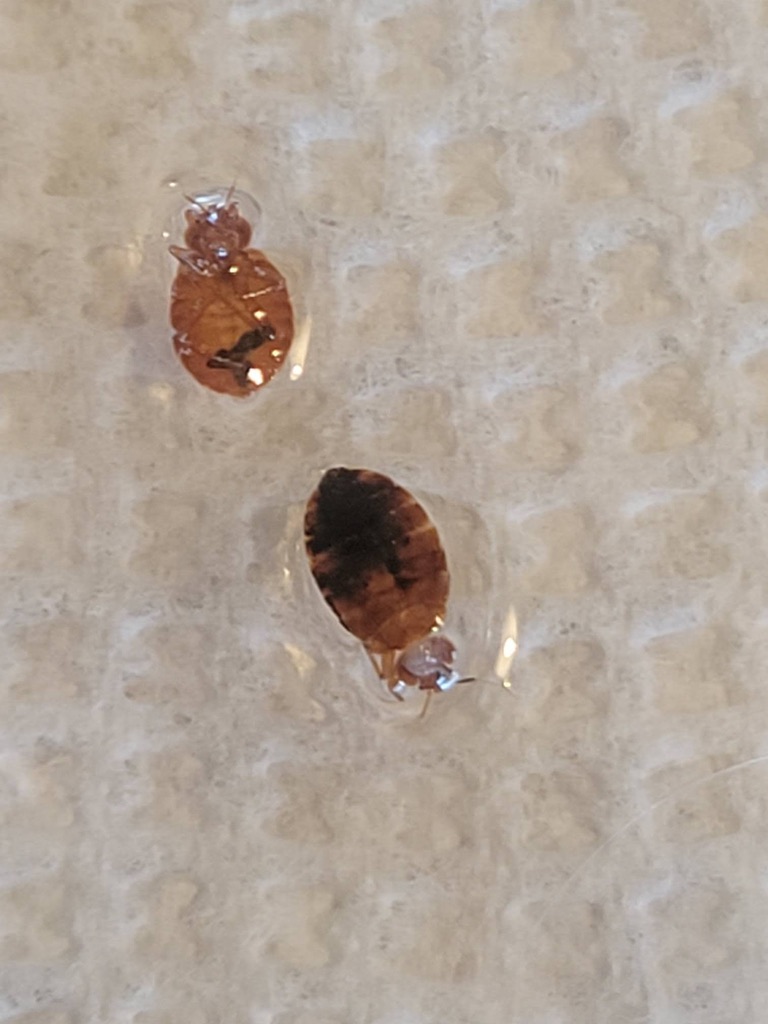
Where do Bed Bugs Hide?
Hi-Tech Pest Control • Michigan’s #1 Bed Bug Exterminator
If you’ve ever asked yourself “where do bed bugs hide?”, you’re not alone. Bed bugs are expert hiders that thrive in cracks, seams, and everyday furniture. Knowing their hiding spots is the first step to protecting your home and stopping infestations before they get out of control.
Bed Bug Education — Hi-Tech Pest Control
Where Do Bed Bugs Hide?
The Places Most Homeowners Never Check
Bed bugs are not hiding from you. They are hiding near you — in compressed, dark spaces within feet of where you sleep. Most infestations are discovered months after the bugs have already established deep harborages throughout the home.
Call 248-569-8001 — Free InspectionThe Word "Hide" Is Misleading
Most homeowners think bed bugs hide because they are afraid of humans. That is not true.
Bed bugs hide near humans because humans are their food source. They are drawn to body heat, carbon dioxide, and sleeping patterns. Bed bugs do not move into homes to avoid people — they move into homes specifically to live near people.
The term "hiding" exists because bed bugs are extraordinarily difficult to locate during the early and moderate stages of an infestation — even for trained professionals. Most infestations are discovered long after the bugs have already established harborages deep inside mattress seams, furniture joints, wall voids, and structural cracks throughout the home.
A person can have bed bugs for months before ever seeing one. In severe infestations, homeowners often believe they "came out of nowhere." In reality, they were already there — feeding quietly while remaining protected in areas most people never inspect.
Why Bed Bugs Choose the Hiding Spots They Do
Bed bugs are highly specialized parasites. They are not randomly wandering insects — they seek very specific conditions for nesting:
- Darkness — exposed surfaces are avoided entirely
- Compression — tight spaces where something touches their back and underside simultaneously
- Stable warmth — areas near heat sources or sleeping humans
- Minimal disturbance — locations where human contact, pressure, or movement is rare
- Proximity to feeding — within 3–8 feet of where a person regularly sleeps or rests
This behavior is nearly identical to German cockroaches, which also seek tight contact points — spaces where something touches both the top and bottom of their bodies simultaneously. For bed bugs, that means mattress seams, fabric folds, box spring corners, wooden joints, and furniture voids. These spaces provide darkness, compression, warmth, and easy access to a sleeping host.
Unlike fleas or lice, bed bugs do not live on people. They feed for several minutes, then return to protected nesting areas nearby. The bed is where they feed. Everything around it is where they live.
Primary Bed Bug Hiding Locations
During early and moderate infestations, bed bugs almost always remain within 3–8 feet of where a person sleeps. These are the first areas a professional inspects — and the most commonly missed by homeowners.
Mattress Seams & Piping
The stitched piping around the edge of a mattress is one of the most common early harborages. The seam fold creates a compressed, dark channel that bed bugs can occupy along its entire length. Labels, fabric overlaps, and decorative tufting all create similar hiding opportunities. Lift and inspect every seam edge — especially the corners where two seams meet.
Box Springs
Box springs are one of the most significant nesting locations in any infestation. The interior is dark, enclosed, warm, and rarely disturbed — ideal conditions for a growing colony. Bed bugs colonize the dust cover stapled to the underside, the wooden frame joints, corner guards, and the fabric folds along the sides. Many severe infestations are centered almost entirely inside the box spring structure before spreading outward.
Headboards & Bed Frames
Wooden headboards mounted against the wall create a protected gap behind them that bed bugs exploit immediately. Screw holes, joint recesses, and mounting bracket gaps are all ideal compression spaces. Wooden bed frames with slat joints and corner blocks provide dozens of harborage points. Metal frames are not immune — tubular metal frames often harbor established infestations hidden entirely inside the hollow sections, invisible from the outside.
Recliners & Couches
Recliners are among the most overlooked bed bug locations in Michigan homes — particularly in homes where elderly residents sleep in them regularly, or where people begin sleeping in the living room after discovering bites in the bedroom. Bed bugs nest inside fabric folds, under dust covers, in the reclining mechanism joints, and within the interior frame structure. Moving away from the bedroom to escape bites is one of the primary ways infestations spread from one room to another.
Nightstands & Dressers
Furniture within arm's reach of the bed is in the primary harborage zone. Drawer joints, screw heads, underside gaps, and drawer slide channels all provide the compression bed bugs seek. The underside of a nightstand — where the legs meet the frame — is a commonly missed harborage point that holds populations even after the rest of the room has been treated.
Carpet Edges & Tack Strips
The gap where carpet meets the baseboard — especially near the bed — provides a long, compressed channel that bed bugs can occupy continuously along a wall. The tack strip beneath the carpet edge adds additional compression. This harborage is invisible without lifting the carpet edge and is frequently missed in DIY inspections and by inexperienced treatment companies.
Bed Bugs on Walls and Ceilings — What It Actually Means
One of the most persistent misconceptions is that seeing bed bugs on walls, around switch plates, or crossing ceilings is normal during an infestation. It is not.
If you are seeing bed bugs openly crawling on walls, moving during daylight, or appearing far from sleeping areas — the infestation is already advanced.
In a healthy early infestation — from the bed bug's perspective — they remain hidden close to sleeping humans and are rarely if ever visible to the naked eye. Bed bugs appearing on walls in open view typically means:
- Primary harborages have become overcrowded
- Feeding competition has increased significantly
- The infestation has been present for an extended period
- DIY spray attempts have disrupted nesting behavior and scattered the population
- Bugs are actively searching for new harborages deeper in the structure
Visible bed bugs in open areas often mean the infestation has been present far longer than the homeowner realized — and that secondary and tertiary harborages are already established throughout the home.
How DIY Treatments Make the Hiding Problem Worse
One of the most damaging things a homeowner can do is attempt to "chase" bed bugs with over-the-counter products. Here is what actually happens.
What Homeowners Try
What Actually Happens
Every repellent application creates pressure. Bed bugs respond to pressure the same way they respond to overcrowding — they migrate outward into safer, less-disturbed harborages.
Bugs displaced from the bedroom move into the living room. Bugs displaced from the bed frame move into wall voids. Bugs displaced from accessible furniture move into outlet boxes, clock radios, and structural gaps.
The infestation does not shrink — it scatters. And a scattered infestation across multiple rooms and structural areas is significantly harder and more expensive to eliminate than a contained one.
Secondary Bed Bug Hiding Locations
Once primary harborages become overcrowded — or after DIY treatment pressure — bed bugs migrate to secondary locations throughout the home. These are far harder to find and treat.
Floor Moldings & Baseboards
Tiny gaps behind baseboards and quarter-round trim provide continuous protected channels running the length of the room. Cracked or separating molding seams are particularly common harborage points near beds and couches.
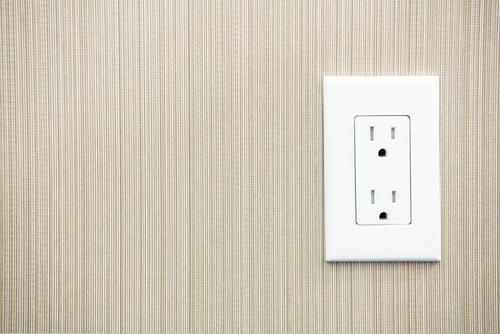
Electrical Outlets & Switch Plates
Wall void access through outlet boxes is one of the primary spread pathways in apartment buildings. Bed bugs move through wall voids between units via electrical chase paths. Repeated insecticide application near beds drives bugs toward outlets as safe migration highways.
Picture Frames & Wall Décor
The rear edges and hanging hardware of picture frames create compressed, dark spaces with minimal disturbance. In long-term infestations, picture frames throughout the bedroom and living room commonly hold established populations behind them.
Alarm Clocks & Electronics
Warm electronics near the bed — clock radios, phone chargers, power strips, cable boxes — become attractive harborages after displacement from primary areas. Bed bugs discovered inside electronics are a reliable indicator that primary harborages were already disturbed or overcrowded.
Ceiling & Crown Molding
In advanced or heavily disturbed infestations, bed bugs travel upward and occupy crown molding gaps, upper wall cracks, and ceiling trim separations — especially in rooms where repeated spraying near floor level has been attempted. Ceiling activity is almost always a sign of a late-stage or heavily disturbed infestation.
Clothing & Stored Items
Folded clothing left on chairs, in laundry baskets, or on the floor near the bed can become temporary harborages during infestation growth. Stored items in cardboard boxes are particularly vulnerable — corrugated cardboard provides hundreds of compressed hiding spaces per square foot.
Where Bed Bugs Hide in Apartments — A Different Problem
Apartments create unique hiding opportunities because bed bugs spread through shared structural pathways that do not exist in single-family homes. An infestation that begins in one unit can reach adjacent units without ever crossing a hallway.
Wall Voids & Plumbing Penetrations
Shared walls between apartments are connected by plumbing penetrations, electrical chases, and structural gaps. Bed bugs travel these pathways freely. An infestation in Unit 2B can reach Units 2A and 2C through the wall void without any human carrier involvement.
Outlet Boxes in Shared Walls
Electrical outlet boxes mounted back-to-back in shared apartment walls are open pathways between units. This is one of the most common lateral spread routes in multi-unit buildings — and one of the primary reasons treating a single apartment without treating adjacent units often fails.
Carpet Edges Along Shared Walls
The carpet-to-baseboard gap running along a shared wall provides a direct travel path between areas of an apartment and toward shared wall penetrations. Bed bugs following this channel can reach plumbing voids and migrate laterally to adjacent units.
How Bed Bugs Spread from Room to Room
Bed bugs do not wander randomly. They spread according to human sleeping and resting behavior. Every new resting area a person uses becomes a potential new feeding zone — and a new harborage site.
The most common spread pattern in Michigan homes follows this sequence:
This is why moving to another room to escape bites is one of the most common — and most damaging — mistakes homeowners make. It does not provide relief. It spreads the problem.
Signs Your Infestation Has Reached an Advanced Stage
Most professional pest control sites do not describe this honestly. There is a threshold where a bed bug infestation becomes visibly unhealthy — and the signs are important to recognize.
Bed Bugs Visible in Open Areas
Healthy early infestations are almost never visible. Seeing bed bugs in open view — on walls, furniture surfaces, or crossing floors — indicates overcrowding in primary harborages. The population has grown beyond what hidden areas can support.
Daytime Activity
Bed bugs are nocturnal by preference but not by requirement. When populations are large and feeding pressure is high, bed bugs will feed during daylight hours. Seeing bed bugs during the day is a sign of a significant population — not a normal early-stage situation.
Activity Away from Sleeping Areas
Finding bed bugs in rooms with no sleeping furniture — hallways, bathrooms, kitchens — indicates either advanced infestation pressure or significant DIY displacement. Either way, elimination has become significantly more complex.
Musty Odor in the Bedroom
Large bed bug colonies produce a distinctive sweet, musty odor from aggregation pheromones. If a bedroom has an unexplained musty smell that does not have an obvious source, a professional inspection is warranted regardless of whether bugs have been visually confirmed.
Bites in New Rooms
Bites appearing in rooms where you previously had no bites — especially after moving sleeping locations — confirms that the infestation has followed the host. Each new bite location is a new harborage site that now requires inspection and treatment.
Repeated Bites After Treatment
If you were treated by another company and are still getting bitten, the infestation was not fully eliminated. This typically means secondary harborages — wall voids, furniture interiors, structural gaps — were not identified or treated. The remaining population continues reproducing.
Why Identifying Hidden Harborages Requires Experience
The hardest part of bed bug elimination is not killing the visible bed bugs. Any product kills visible, exposed bugs on contact. The hardest part is locating:
- Primary harborages hidden inside furniture and structural components
- Secondary nesting that developed after overcrowding or displacement
- Tertiary migration areas where bugs moved after DIY attempts
- Reproduction zones with egg deposits in protected cracks
- Wall void populations that cannot be seen or reached from the room surface
An inexperienced technician — or an inexperienced company — may eliminate the visible population while leaving hundreds of bugs hidden inside cracks, voids, and furniture interiors. That is why homeowners continue getting bitten after treatment. The obvious bugs are gone. The infestation is not.
Hi-Tech Pest Control has eliminated bed bugs in Southeast Michigan since 1986. Our technicians understand the behavioral patterns that determine where bugs go when a colony grows, when it is disturbed, and when it is under pressure. That knowledge is the difference between complete elimination and a temporary reduction followed by another infestation.
Called after another company failed? This is one of the most common calls we receive. If you were treated and are still getting bitten, the remaining population is in harborages the previous technician did not identify. A second inspection by Hi-Tech is free — and our 6-month warranty means if bugs return after our treatment, we come back at no charge.
Still Getting Bitten? The Infestation Is Still There.
Same-day inspections available. 40+ years eliminating bed bugs across Southeast Michigan. The inspection is free — the information it gives you is not available anywhere else.
Where Do Bed Bugs Hide — Common Questions
Where do bed bugs hide during the day?
During the day, bed bugs remain in tight, dark harborages close to where the host sleeps — mattress seams, box spring interiors, headboard joints, bed frame recesses, and nightstand gaps. They do not typically move during daylight in early or moderate infestations. If you are seeing bed bugs during the day, the population is large enough that feeding competition is forcing daytime activity — a sign of an advanced infestation.
Can bed bugs live inside walls?
Yes — wall voids are a common secondary harborage, particularly in apartments and after DIY treatment attempts. Bed bugs enter wall voids through outlet boxes, switch plates, baseboard gaps, and plumbing penetrations. In apartment buildings, wall voids are the primary route of spread between units. A bed bug infestation inside a wall void cannot be treated from the room surface — it requires professional-grade application methods that reach inside the void.
Do bed bugs hide in carpet?
Bed bugs can inhabit carpet edges — specifically the gap between the carpet and the baseboard, and the tack strip beneath the carpet edge — but they do not live deep in carpet fibers the way fleas do. The carpet edge near the bed or couch is the most likely carpet-adjacent harborage. Deep carpet treatment is not typically the priority; the furniture and structural voids near sleeping areas are.
How far from the bed do bed bugs nest?
In early infestations, bed bugs almost always remain within 3–8 feet of the sleeping area. As the infestation matures and primary harborages become crowded, they expand outward — first to nearby furniture, then to moldings and wall voids, then to other rooms if a new host resting area is introduced. The earlier an infestation is caught, the smaller the treatment zone required.
Do bed bugs hide in couches and recliners?
Yes — recliners and couches are among the most common secondary infestation sites in Michigan homes. Bed bugs nest inside fabric folds, under dust covers, in reclining mechanism joints, and within the interior frame. This is especially common in homes where residents sleep in recliners, or where someone moved from the bedroom to the couch after discovering bites. Moving sleeping locations does not escape the infestation — it spreads it.
Can bed bugs hide in electronics?
Yes — warm electronics near the bed are attractive harborages, particularly after primary hiding areas have been disturbed or overcrowded. Clock radios, cable boxes, phone chargers, and power strips near the bed are all documented harborage sites. Finding bed bugs inside electronics is a sign that the infestation is either large or has been displaced from primary areas — both indicators of an advanced situation that requires professional treatment.
Why can't I find the bed bugs even though I'm getting bitten?
Because early-stage bed bugs are masters at occupying spaces that most people never inspect — inside box spring frames, behind headboards, inside mattress seam channels, beneath furniture dust covers, in carpet tack strip gaps. A few dozen bugs distributed across these harborages are essentially invisible without a systematic, trained inspection. This is the most common situation we see: bites without visible bugs, which almost always means the infestation is present but contained in protected areas the homeowner cannot see.
How do I know if my whole home is infested or just one room?
A professional inspection is the only reliable way to know. The scope of an infestation is directly tied to how long it has been present and whether any displacement has occurred — through DIY treatments or by moving sleeping locations. A single-room infestation caught early is the best case. An infestation that has spread to multiple rooms, wall voids, or adjacent units is significantly more complex to eliminate. Hi-Tech provides free comprehensive inspections that assess the full scope before any treatment recommendation is made.
Related Bed Bug Resources
Wayne · Oakland · Macomb County · Same-Day Service
Found Where They're Hiding. Now Eliminate Them.
Free inspection. One visit. Michigan's only 6-month warranty.
7 days a week · 8:30 AM–10 PM · Locally owned since 1986

bed bugs in afghan’s, and pillows
bed bugs on chairs
bed bugs in electrical outlets
bed bug removal

bed bugs hiding in Headboards
Where do bed bugs hide

bed bugs in pillows
bed bug removal Troy, Bloomfield, Livonia, Michigan
Call Hi-Tech Pest Control Today
Don’t waste time searching for every bed bug hiding spot yourself. We provide:
✅ One-Application Bed Bug Eradication — Bite-free the first night
✅ Furniture Cleaned & Salvaged — Beds, couches, recliners treated & saved
✅ Same-Day Service — Fast, discreet relief across Metro Detroit
✅ 100% Guaranteed Results — No excuses, no endless callbacks
Call 248-569-8001 now for a free consultation and same-day bed bug removal.
Contact Us
39111 6 Mile
Livonia, Mi 48152
7 W Square Lake Rd
Bloomfield Twp, Michigan 48302
755 W Big Beaver Rd Ste 2020
Troy, Michigan 48084



Hours of Operation
8:30am to 10:00pm Moday Thru Sunday