When Only One Person Is Getting Bitten – Redford, Michigan

When Only One Person Is Getting Bitten – Redford, Michigan

A Difficult Call From Redford

Some bed bug calls are straightforward. Others are not.

The call that came into our office from Redford, Michigan was unusual from the start. The woman on the phone sounded extremely stressed and emotionally overwhelmed. In pest control, that can sometimes mean one of two things:

  • The infestation has become severe
  • Or the person has been dealing with unexplained bites for a long time without answers

In this case, it had been nearly three months of unexplained bites.

When I arrived at the home, I immediately understood why the situation had become so tense.

Click Here to CallSchedule Appointment

The Disagreement

I was taken directly to the bedroom where the couple slept.

Before any inspection could begin, the wife said confidently:

“We got them.”

But the husband quickly interrupted and said the opposite.

He insisted there was no bed bug problem at all and that the situation was being imagined.

Unfortunately, this type of disagreement happens more often than people realize when bed bugs are involved.

Bed bug infestations can create stress, anxiety, and conflict in a household because:

  • One person may react to bites
  • Another person may show no reaction at all

This exact scenario was happening in the Redford Bed Bug Exterminator home.

Three Months of Bites

The wife explained that she had been experiencing bites for nearly three months.

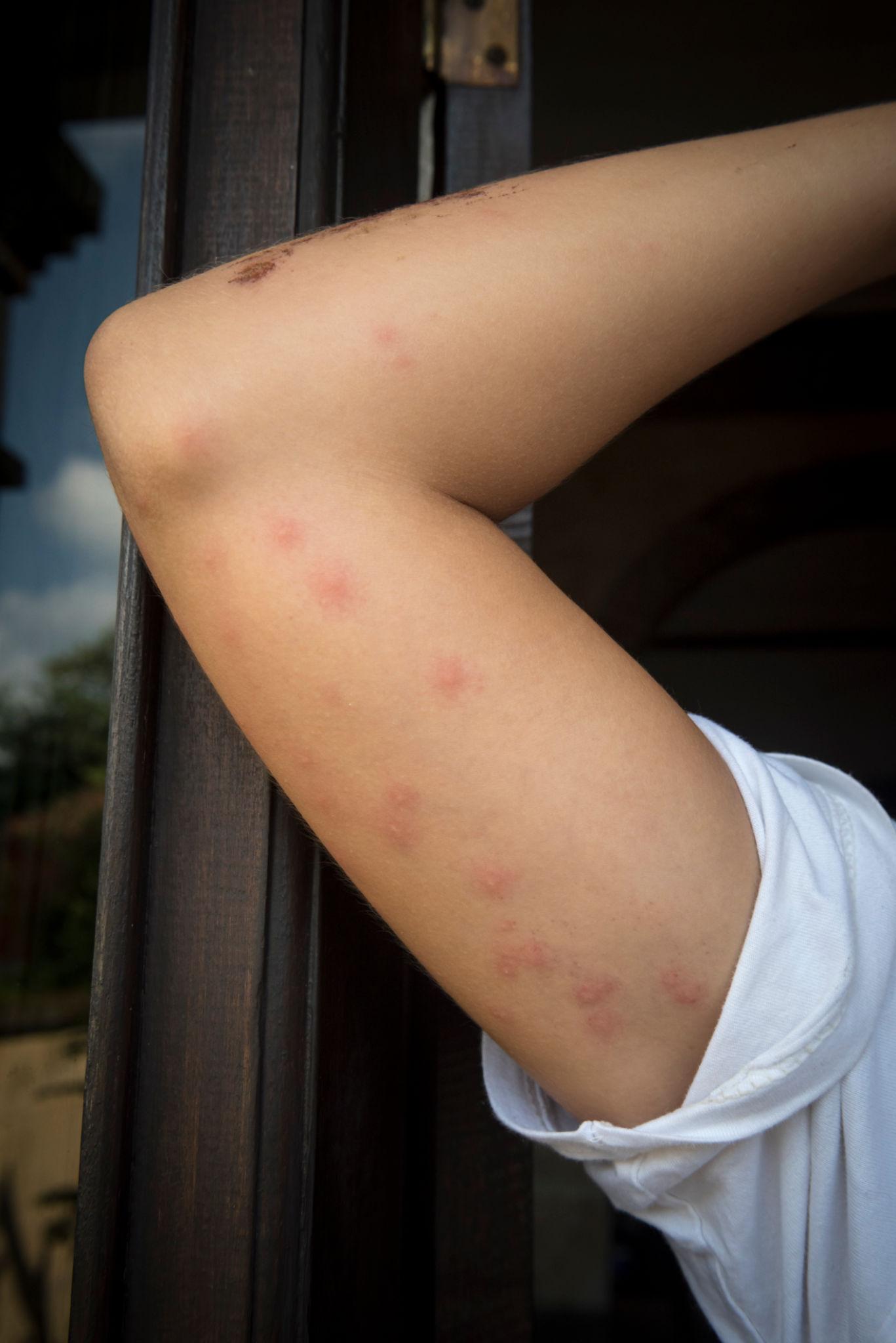
She showed me multiple fresh bite marks on her hip.

They were consistent with bed bug feeding patterns.

However, the husband reported no bites whatsoever, even though they both slept in the same bed.

This often becomes the turning point in arguments between couples dealing with bed bugs.

People assume that if one person isn’t getting bitten, the bugs must not be there.

But that assumption is not accurate.

Why Only One Person May React to Bed Bug Bites

Many people do not realize that bed bug bites affect people differently.

Some individuals develop:

  • Red welts
  • Itching
  • Swelling
  • Bite clusters

Others show no visible reaction at all.

In fact, studies and field experience show that a significant percentage of people never react to bed bug bites.

This means a person can be bitten repeatedly and never know it.

So when only one person in a household shows bites, it does not rule out a bed bug infestation.

Inspecting the Bed

The couple had an adjustable bed, which can make inspections more difficult.

Adjustable beds are:

  • Heavy
  • Mechanically complex
  • Difficult to move quickly

To his credit, the husband helped lift the bed so it could be inspected more thoroughly.

At this point, the tension in the room was increasing.

He was becoming impatient and increasingly convinced that the inspection would reveal nothing.

After searching the bed and surrounding areas, we still had no confirmed sightings.

This made the situation even more complicated.

No Sightings – But Strong Evidence

The wife had:

  • A three-month history of bites
  • Fresh bite marks visible during the inspection
  • A strong conviction that something was biting her at night

But we still had not physically located a bed bug.

At this stage, inexperienced inspectors often make a critical mistake:

They assume the bugs are not present.

But bed bugs are experts at hiding.

They do not always live directly in the bed.

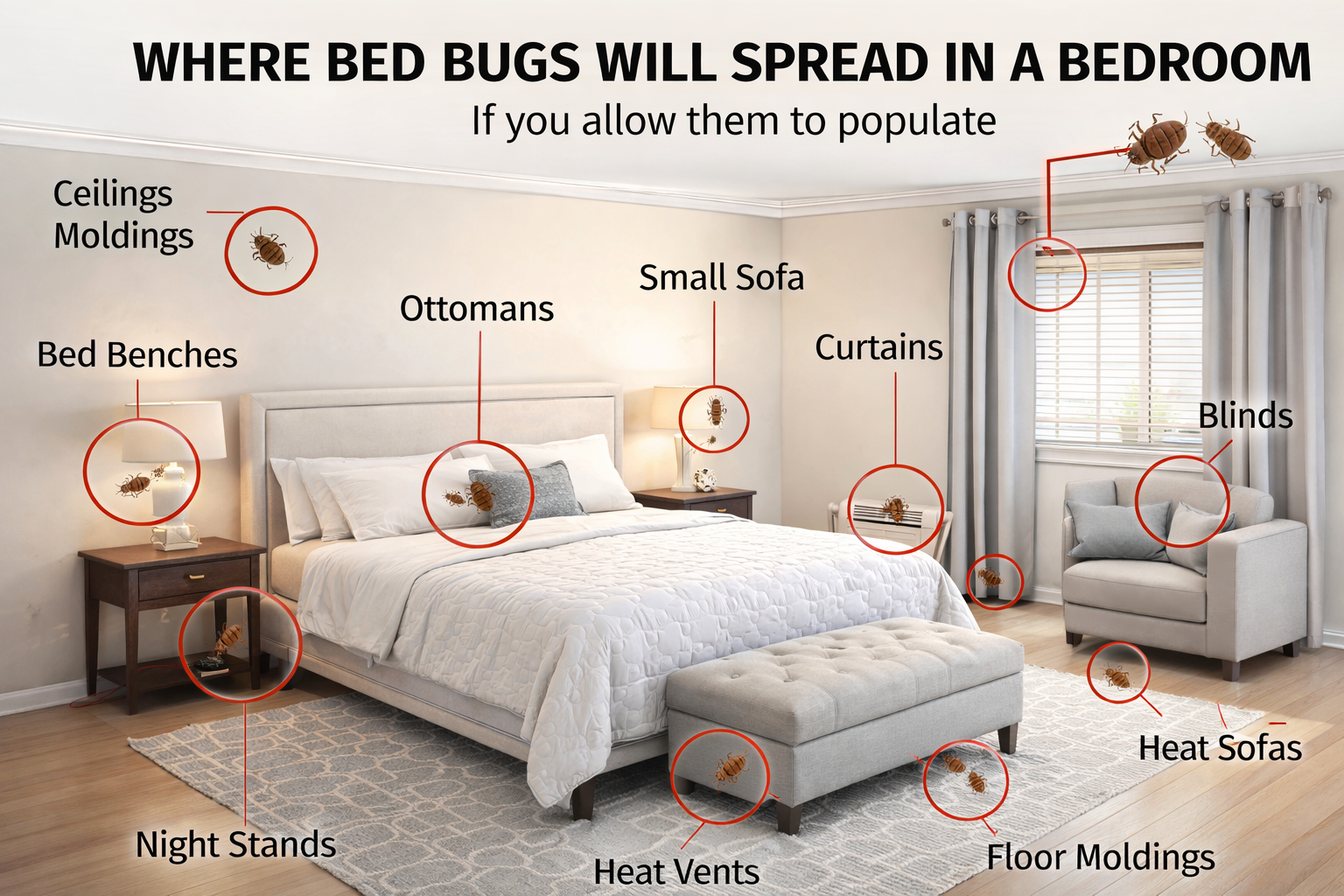
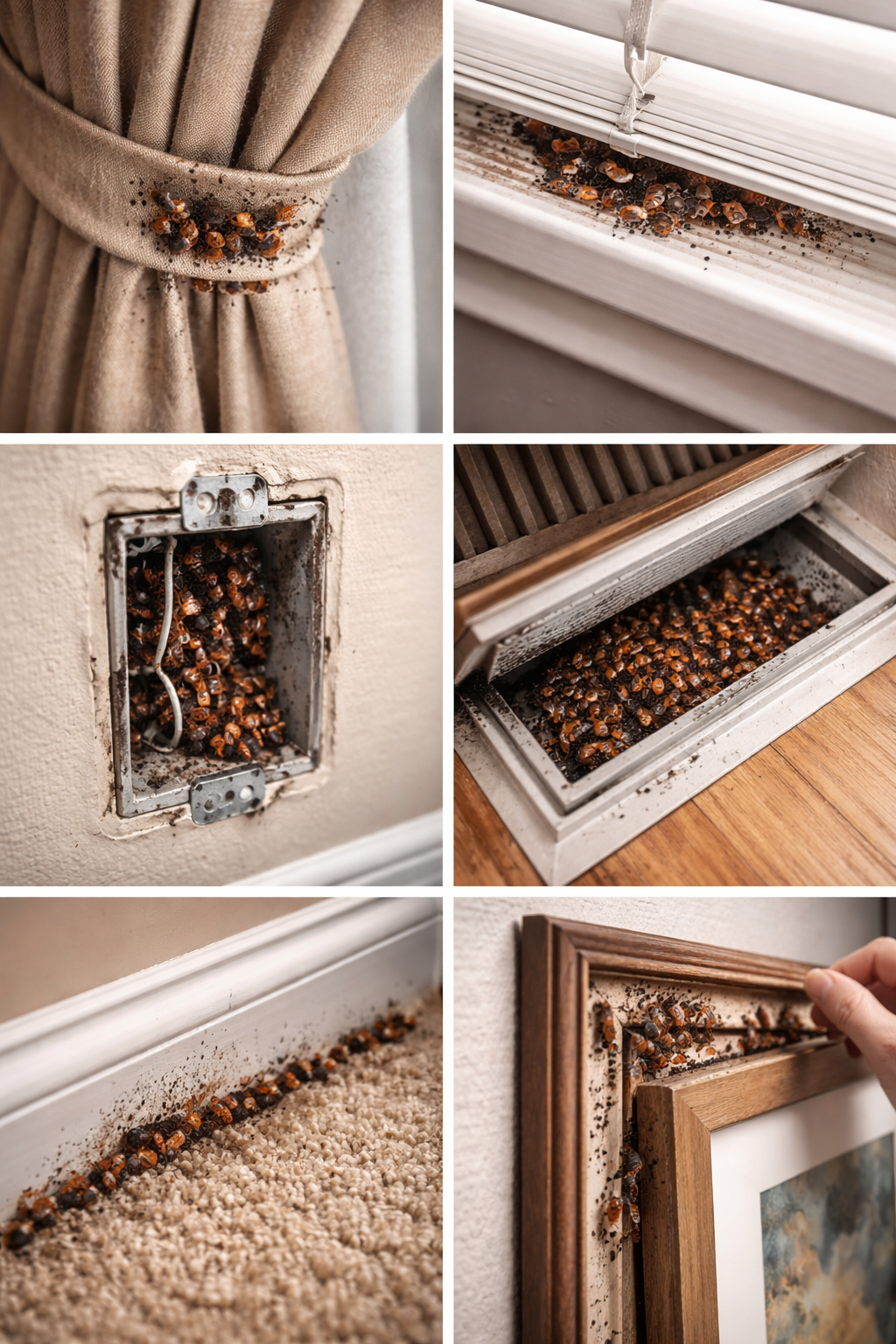
They frequently hide in:

  • Upholstered furniture
  • Couches
  • Recliners
  • Bed frames
  • Baseboards
  • Electrical outlets

So before leaving the home, I decided to check one more location.

The Couch Inspection

On the way out of the room, I asked if I could inspect the couch in the living room.

This request seemed minor, but it changed the entire situation.

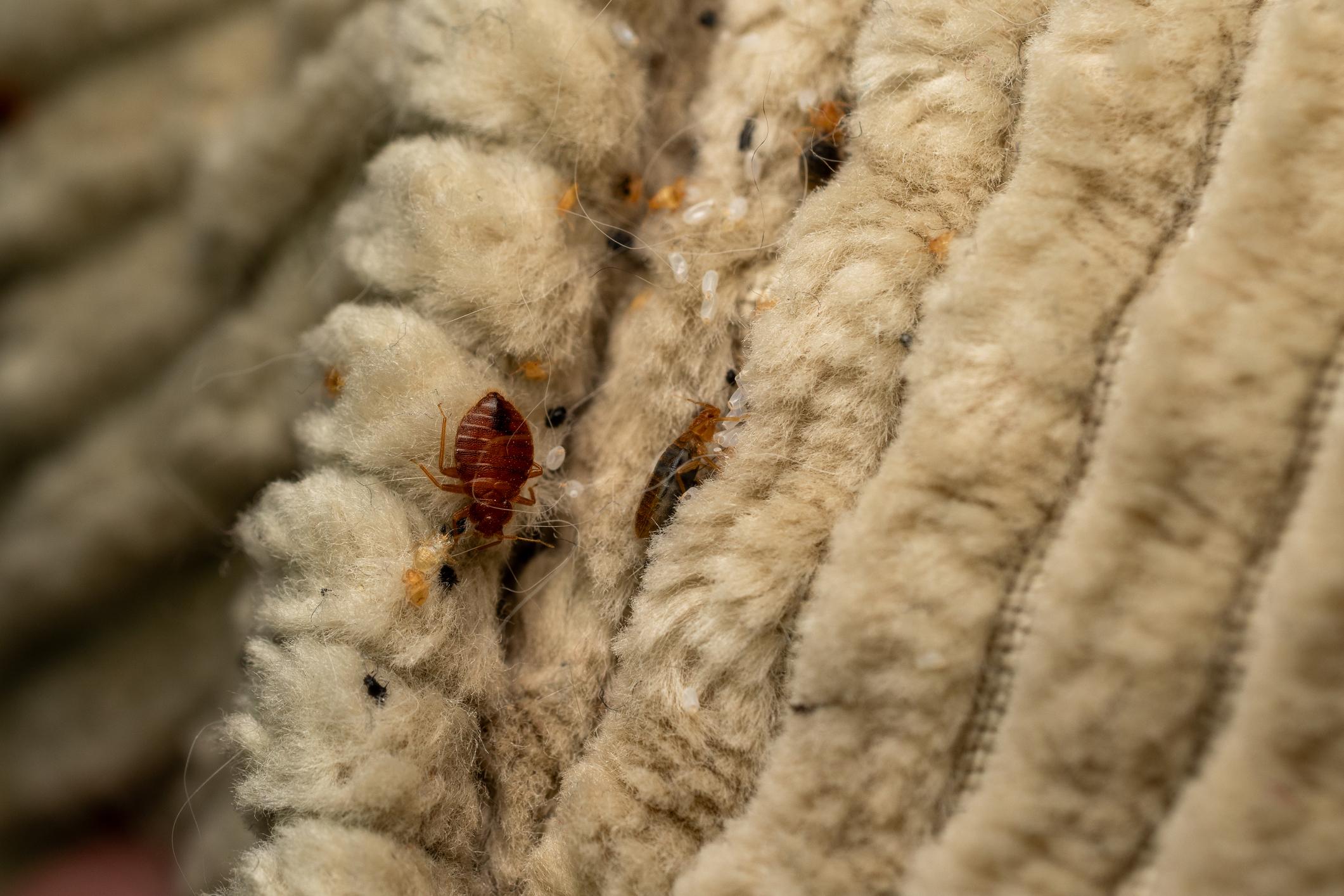
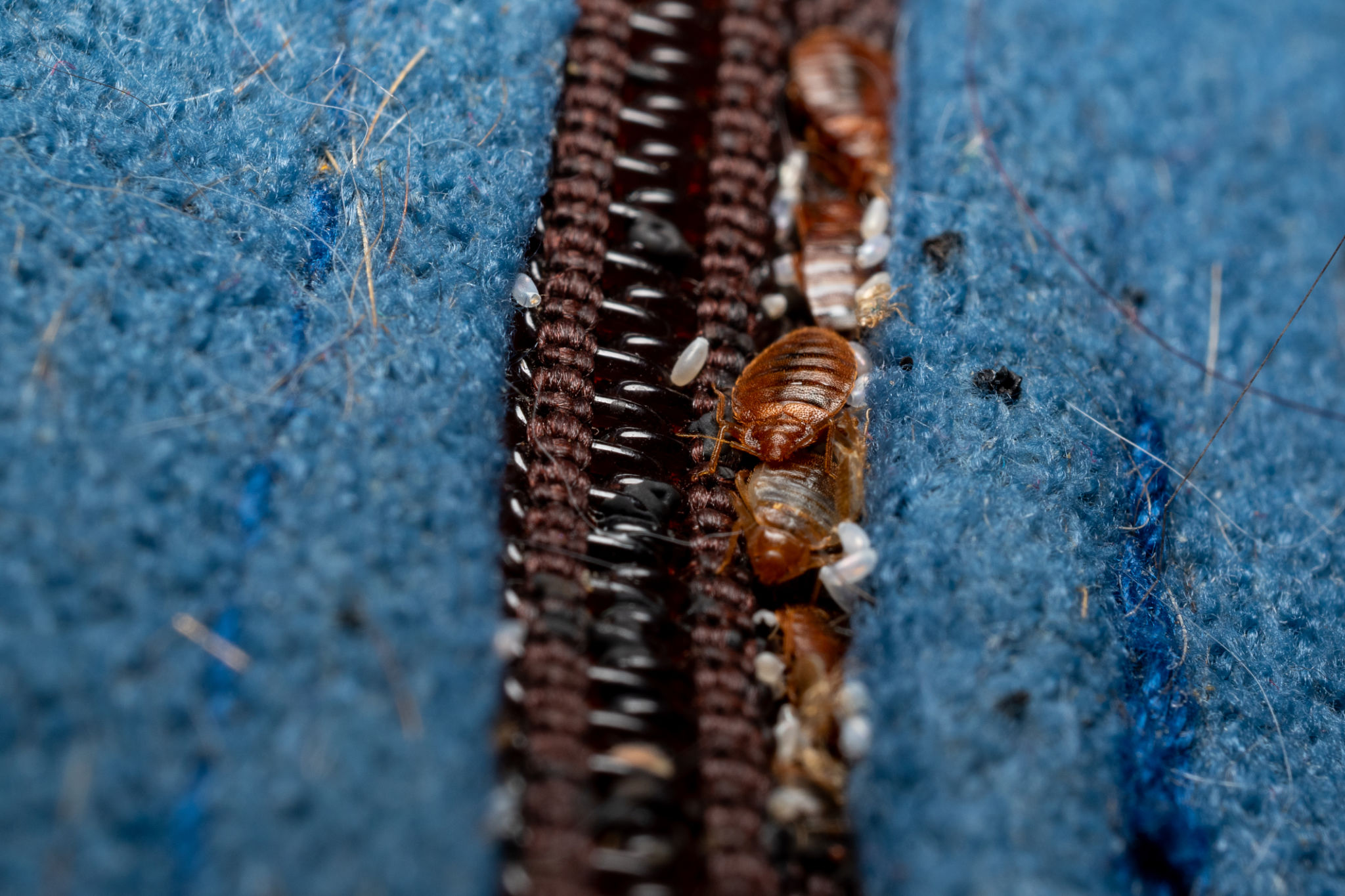
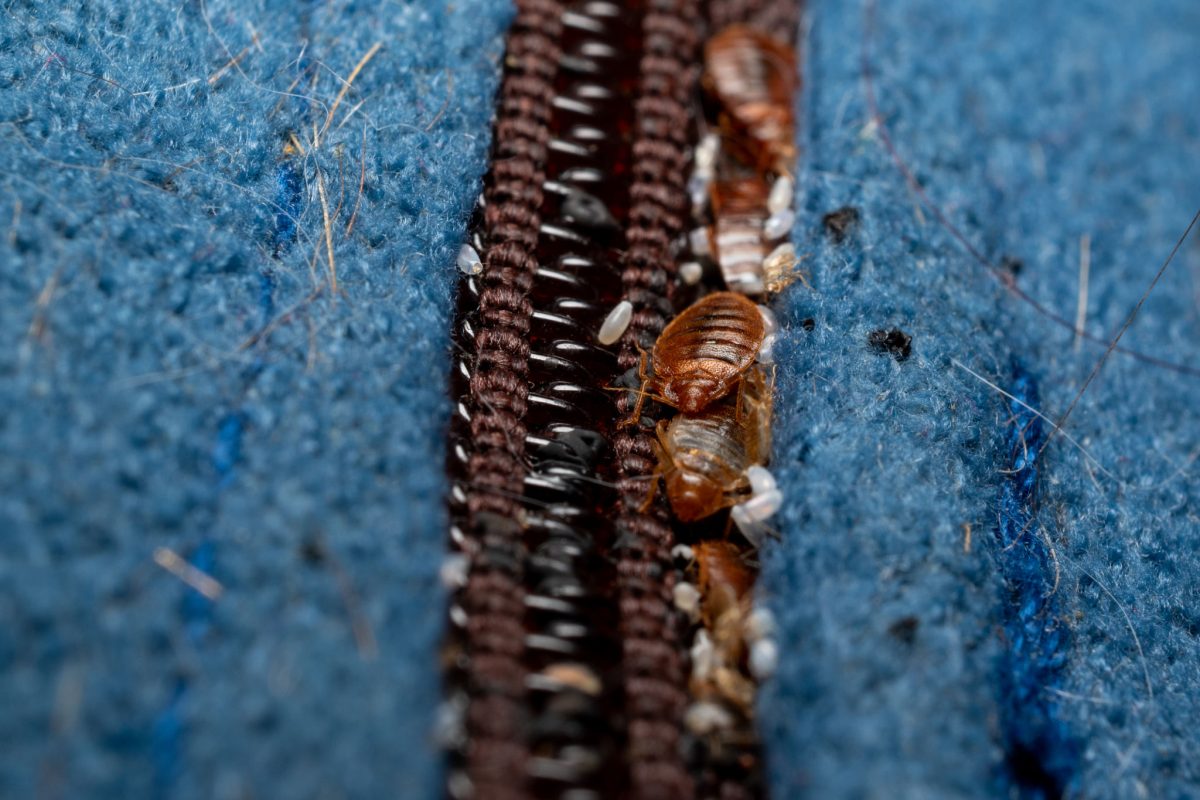
After carefully inspecting the couch, I located one bed bug.

That single insect completely changed the conversation.

Now the infestation had been confirmed.

Opening the Door to Education

Once the bed bug was found, the tension in the home shifted.

The discussion moved away from arguments about whether the problem existed and toward understanding the pest itself.

This is where education becomes critical.

Many people assume bed bugs only live in beds.

In reality, they frequently infest:

  • Sofas
  • Recliners
  • Chairs
  • Furniture seams
  • Living room upholstery

They feed at night but may hide in completely different rooms during the day.

This explains why the wife was being bitten in bed even though the bugs were hiding in the couch.

Why Professional Identification Matters

Bed bugs can hide in extremely small spaces.

A proper inspection looks for:

  • Live insects
  • Shed skins
  • Eggs
  • Fecal spotting
  • Harborages in furniture

In many homes, infestations go undetected for months because people assume the bites are something else.

By the time the insects are finally found, they have often spread to multiple areas of the home.

Final Outcome

Once the bed bug was identified, the homeowners could finally move forward with treatment instead of continuing to debate whether a problem existed.

Situations like this are more common than most people realize.

When only one person in a home reacts to bed bug bites, the infestation can remain hidden much longer.

Key Takeaways From This Redford Case

One person may show bite reactions while another shows none
Lack of bites does not mean bed bugs are absent
Bed bugs frequently hide in couches and furniture
Inspections must include the entire home, not just the bed

If You Are Experiencing Unexplained Bites

If someone in your home is experiencing unexplained bites but no insects have been found, a professional inspection may reveal hidden activity.

Bed bugs are experts at hiding, and infestations can go unnoticed for months when the signs are misunderstood.

If you’d like, I can also help you add three extremely powerful sections that make case studies generate phone calls, including:

  • “Why People Often Misdiagnose Bed Bug Bites”
  • “How Bed Bugs Spread From Furniture to Beds”
  • “Why Some People Never React to Bed Bug Bites”

These sections turn case studies into high-conversion pages instead of just stories.

Suspect Bed Bugs But Haven’t Seen One Yet?

Many homeowners call us after weeks or even months of unexplained bites.

In many cases, the insects are hiding in places people never think to inspect, such as couches, recliners, or furniture seams.

As this Redford case showed, one person in the home may be experiencing bites while another shows no reaction at all, which can make the problem difficult to diagnose.

If you suspect bed bugs but have not been able to confirm them, a professional inspection can locate the source of the infestation before it spreads further through the home.

Hi-Tech Pest Control specializes in identifying and eliminating bed bug infestations quickly and discreetly.

Call Now for Expert Bed Bug Inspection

📞 248-569-8001

Our technicians serve homeowners throughout:

If bed bugs are present, we will identify the problem and provide a clear plan to eliminate them.

What To Do If a Bed Bug Treatment Failed (And How to Know the Difference)

What To Do If a Bed Bug Treatment Failed (And How to Know the Difference)

Bed bugs have earned a reputation for being stubborn pests, but the truth is simpler: a properly engineered treatment should stop the biting quickly. If you have recently had your home treated and are wondering whether the treatment worked—or failed—there are clear signs that will help you determine the difference.

At Hi-Tech Pest Control, we have treated bed bug infestations across Southeast Michigan for decades. Understanding what should happen after treatment can help homeowners avoid unnecessary stress and recognize when something truly needs attention.

Click to CallSchedule Appointment
BBB Accredited pest control company in Michigan with uniformed Hi-Tech Pest Control technician
bed bug exterminator and pest control operator
Bed bugs found in couch after bed bug inspection
bed bugs hiding in couches
Pest control technician inspecting a mattress for bed bugs in a Detroit home

The First Sign of Success: Bites Stop

The very first sign that a bed bug treatment is working is simple:

The bites stop.

Bed bugs feed every few days. If the infestation has been eliminated, the cycle of nighttime bites should stop almost immediately after treatment. Many customers report that the first night after treatment is the first peaceful night of sleep they have had in weeks.

If bites continue on the same schedule as before treatment, that is the strongest indication that the infestation may still be active.

For more information about professional bed bug elimination, see our main service page:
👉 Hi-Tech Pest Control bed bug services at https://hi-techpestcontrol.com/bed-bug-exterminator/

Why Some Treatments “Fail”

When homeowners are told they will need four or five treatments, that often signals that the company’s method is not designed to eliminate the infestation completely.

In the pest control industry, phrases like:

  • “We will need multiple treatments”
  • “We will keep coming back”
  • “Bed bugs take months to eliminate”

often mean the technician is managing the infestation rather than eliminating it.

A properly engineered treatment targets all stages of the bed bug population at once, which dramatically reduces activity immediately.

Expect Dead Bed Bugs After Treatment

After a successful treatment, it is completely normal to see:

  • dead bed bugs
  • dying bed bugs
  • bed bugs crawling out of hiding places

Why does this happen?

Because treatment products penetrate deep into cracks, furniture, and wall voids where bed bugs hide. When exposed, they are forced out of their nests.

You might even see a bed bug crawling up a wall. If you could hear him talk, he might say something like:

“I don’t even want to be on this wall. Something is very wrong here.”

That bed bug has been exposed to treatment and is sick or dying.

Most sightings should stop within 24 to 48 hours, once the hidden population has been flushed out and eliminated.

Furniture Replacement Can Cause Delayed Problems

Another situation that sometimes confuses homeowners occurs when furniture has been discarded. And homeowners think that solves the bed bug issue.

For example:

  1. Infested furniture is removed.
  2. The home is temporarily free of bites.
  3. New furniture is brought into the home.

If bed bugs survived elsewhere, they may slowly re-infest the new furniture and begin feeding again.

Because bed bugs reproduce slowly, this process can take:

3 months or longer

before the population becomes noticeable again.

This is why proper inspection and treatment are critical before replacing furniture. Kill the bed bugs first!

The Myth of Bed Bugs Traveling Through Walls

Apartment residents sometimes worry that bed bugs are constantly coming from neighboring units. In reality, this situation is much less common than people think.

For bed bugs to travel between apartments through walls or floors, the neighboring unit would need to have an extremely large infestation.

In other words, the infestation would have to be so severe that it would resemble hitting the lottery—just not the good kind.

In most cases where bed bugs appear again, they were reintroduced through:

  • infested belongings
  • furniture
  • guests who unknowingly carried them

When Is a Bed Bug Problem Truly Solved?

Success is not determined by a single inspection. Instead, it is determined by a period of time with no evidence of bed bugs.

Signs that the infestation has been eliminated include:

  • no new bites
  • no live bed bugs
  • no new fecal spotting
  • no shed skins
  • no activity in monitoring traps

After sufficient time has passed without any signs of bed bugs, homeowners can be confident that the infestation has been resolved.

Why Hi-Tech Pest Control Offers Long Warranties

At Hi-Tech Pest Control, our approach is based on decades of experience with bed bug elimination.

Our treatments are designed to:

  • eliminate active infestations quickly
  • prevent surviving bed bugs from re-establishing a population
  • protect the home with residual control

Because of this approach, we provide long-term warranties that give homeowners confidence that the problem has been solved.

When bed bugs encounter our treatments, they quickly learn that they are no longer welcome occupants in that home or business.

Bed Bug Help in Southeast Michigan

If you believe a previous treatment failed or you are still experiencing bites, professional inspection is the first step toward solving the problem.

Hi-Tech Pest Control provides bed bug elimination services throughout Southeast Michigan, including:

Learn more about our professional extermination services here:
👉 https://hi-techpestcontrol.com/bed-bug-exterminator/

Need Help Right Away?

If bed bugs are disrupting your sleep, professional help can eliminate the infestation quickly.

Call Hi-Tech Pest Control today: 248-569-8001

Sleep should be peaceful again—and with the right treatment, it can be.

How to Know If Your Bed Bug Treatment Was Successful

How to Know If Your Bed Bug Treatment Was Successful

How to Know If Bed Bug Treatment Worked | Signs of Successful Elimination

Wondering if your bed bug treatment worked? Learn the real signs of successful bed bug elimination, what is normal after treatment, and when to call your exterminator.

Call Now!Schedule Appointment
Clean mattress and bedroom after professional bed bug treatment showing no visible infestation or live bed bugs.
Homeowner sleeping comfortably after successful bed bug extermination with no new bites or feeding activity.
Bed bug interceptor trap under bed leg used to confirm successful bed bug treatment and no continued activity.
Mattress seam previously infested with bed bugs now clean after professional bed bug treatment and nest removal.
Calendar marking 30-day follow-up period after bed bug treatment to confirm full eradication and no reinfestation.

After a bed bug treatment, most customers ask the same question:

“How do I know they’re really gone?”

The answer is not emotional — it’s behavioral.

Successful bed bug control is measured by evidence, feeding activity, and population collapse — not fear or assumption.

There are generally three types of post-treatment reactions, and understanding which category you fall into helps determine your next step. Experienced Bed Bug Exterminator Eager to Serve You.

The 3 Types of Post-Treatment Customers

1️⃣ The “They Must Still Be Here” Group (Approx. 34%)

These customers experience:

  • No bites
  • No sightings
  • No activity

Yet still believe the infestation remains.

Often they assume repeated treatments are what finally eliminate bed bugs. In reality, unnecessary follow-ups can create a cycle of continued chemical application without evidence.

Professional protocol requires:

  • Positive identification BEFORE treatment
  • Positive identification AFTER treatment if activity continues

A home should never be retreated without confirmed evidence.

If there are:

  • No bites
  • No blood spots
  • No cast skins
  • No live bed bugs

Then the infestation is likely resolved.

2️⃣ The “Every Mark Is a Bite” Group (Approx. 12%)

After treatment, any skin irritation may be mistaken for bed bugs.

Important facts:

  • Bed bug bites usually itch.
  • They often appear in clusters or linear patterns.
  • They typically appear overnight.

If a mark:

  • Does not itch
  • Does not resemble insect feeding
  • Appears randomly

It is likely unrelated.

Skin conditions, stress reactions, or normal irritation are commonly confused with bites.

Diagnosis should be based on:

  • Physical evidence
  • Interceptor traps
  • Two-sided tape monitoring
  • Verified live specimens

Not skin reactions alone.

3️⃣ The “Ongoing Infestation” Group (Approx. 54%)

If:

  • Feeding continues
  • New bites occur daily
  • Live clusters are visible
  • Nesting areas remain intact

Then the treatment likely failed.

Your first and most important metric is:

Feeding must stop.

If bed bugs continue to feed, they will:

  • Mature
  • Reproduce
  • Lay eggs
  • Expand infestation

No reduction in activity = treatment failure. Thorough bed bug inspection Service.

What Should Happen After Successful Treatment?

Immediately after a properly executed treatment:

Feeding should stop
Visible clusters should be removed
Nesting areas should be eliminated
Population should collapse

If heavy infestations existed (visible nests and clusters), those clusters must be physically removed.

If they were not removed, full eradication is unlikely. Michigan bed bug exterminator Specialists.

What Is Normal After Treatment?

You may occasionally see:

• A single bed bug wandering
• A weakened bed bug on a wall
• A dying bed bug in a bathroom

This can happen for 4–6 weeks.

Bed bugs do not normally travel up walls unless:

  • They are stressed
  • They are sick
  • They are disoriented
  • Their harborage was disturbed

One isolated sighting does not equal failure.

Continued feeding does.

When Should You Call for a Follow-Up?

You should call your pest control operator if:

You are still getting consistent bites
You see active clusters
You see eggs and live activity in harborages

Most professional companies offer a 30-day no-charge follow-up if activity continues.

However:

Do not call another company immediately if:

  • You saw one single bug
  • You have no bites
  • There is no physical evidence

Allow 4–6 weeks for residual control to complete population elimination. Professional.

The Furniture Myth

Throwing away furniture rarely solves bed bug infestations.

In fact:

  • The most infested item is often not what you think.
  • Removing furniture may remove the least infested piece.
  • Bed bugs can remain in walls, molding, outlets, and cracks.

If treatment fails, they will reinfest new furniture over time.

You cannot eliminate bed bugs by discarding belongings alone.

How Long Until You Can Relax?

True confirmation takes time.

If you:

  • Experience no bites
  • See no live activity
  • Have no evidence in monitors

After 5–6 months, you can be confident the infestation is resolved.

Bed bugs do not remain dormant for months without feeding if a host is present.

If they were alive, they would find you. Livonia Michigan trusted bed bug inspector.

The Importance of Positive Identification

Before ANY treatment:

A live specimen should be confirmed
Photos or physical capture should be verified
Monitoring devices should show evidence

Treating without positive identification can lead to:

  • Unnecessary treatments
  • Psychological distress
  • Financial waste
  • Repeated applications with no pest present

Professional bed bug control begins with proof. Certified Bed Bug Inspection.

Conclusion

Successful elimination depends on:

  • Accurate identification
  • Proper removal of harborages
  • Residual control
  • Monitoring
  • Honest follow-up

If feeding stops, nests are gone, and no evidence remains — the treatment worked.

If feeding continues — it didn’t.

It’s that simple. Licensed bed bug exterminator near you.

Still Getting Bit After Bed Bug Treatment? Here’s What It Really Means

Still Getting Bit After Bed Bug Treatment? Here’s What It Really Means

If you are still getting bitten after a bed bug treatment, you are not imagining it — and you are not crazy.

The most important benchmark in any successful bed bug treatment is simple:

The feeding must stop.

Not sightings.
Not dead bugs in a bathroom.
Not promises of “give it time.”

The biting must stop.

If it doesn’t, something went wrong.

Call NowSchedule Appointment

What Does Continued Biting Actually Mean?

In bed bug control, success is not measured by:

• Seeing fewer bugs
• Finding a dead bug somewhere
• A technician saying “that’s normal”

Success is measured by one thing:

Feeding interruption.

Bed bugs must feed every 3–7 days.
If bites continue beyond that window, active bugs are still alive and feeding.

That is not a “transition phase.”
That is survival. Professional bed bug exterminator.

Why Do Some Companies Require 3–4 Visits?

Most companies design their bed bug program around:

• Multiple chemical rotations
• Scheduled reapplications
• “Monitoring and evaluation” periods
• 30-day observation windows

In many cases, this means the infestation is suppressed — not eliminated.

The industry standard often allows 30 days to demonstrate “reasonable control.”

But here is the issue:

Bed bugs reproduce quickly in that window.

If feeding continues, population growth continues. Hi-Tech Pest Control has Engineered bed bug treatment programs.

What About Sightings After Treatment?

Sightings and bites are not equal.

You may see:
• A dead bed bug days later
• A live bug emerging from a treated void
• A bug climbing a wall

That alone does not determine failure.

But continued biting does.

Bites always supersede sightings.

If biting continues, the infestation remains active.

Why Do So Many Treatments Fail?

Bed bugs are not a general pest.

They are:

• Behavioral specialists
• Hitchhiking parasites
• Resistant in many regions
• Experts at concealment

They hide in:

• Box spring seams
• Furniture joints
• Wall voids
• Electrical outlets
• Vehicles
• Adjacent units

An incomplete inspection equals incomplete elimination.

And incomplete elimination equals repopulation.

What Happens When Furniture Is Thrown Away?

One of the most common scenarios we see:

• A company advises discarding furniture
• New furniture is brought in
• Biting resumes
• The homeowner is told it’s “new activity”

In reality, the original population was never fully eliminated.

Repopulation is not the same as new introduction.

It is survival. Commercial Bed Bug Treatments available.

The Hard Truth About Bed Bug Control

Bed bugs are one of the most technically demanding pest control challenges in the industry.

Many technicians:

• Avoid bed bug jobs
• Fear transporting them
• Use minimum-threshold treatments
• Follow multi-visit templates

If you vet companies carefully, many will admit:

“Bed bugs usually take multiple visits.”

That is a program design decision — not a biological requirement.

What Should Happen After a Proper Treatment?

After a properly engineered elimination:

• Feeding stops within the expected cycle
• No new bites appear
• No progressive activity
• No expansion to other rooms

If bites continue, immediate reassessment is necessary — not a 30-day wait.

When Should You Call for Help?

Call immediately if:

• Biting never stopped
• Biting stopped briefly then resumed
• Activity appears in additional rooms
• You are told to “wait it out” while being bitten

Waiting allows reproduction. Emergency Bed Bug Service Michigan.

Our Approach

At Hi-Tech Pest Control, we engineered our bed bug elimination protocol around:

• One-visit elimination models
• Complete structural targeting
• Furniture preservation
• Feeding interruption as the success metric

Our goal is not suppression.

Our goal is eradication.

If you are still getting bitten after treatment, you do not need reassurance.

If your treatment did not stop the biting, schedule a professional evaluation immediately. Bed bugs will tell you whether a treatment worked. You deserve to sleep again.

Call 248-569-8001

How Fast Do Bed Bugs Spread in a Home?

How Fast Do Bed Bugs Spread in a Home?

Short answer: Bed bugs can spread to multiple rooms within one week — sometimes even faster depending on how they were introduced. Understanding how infestations grow helps you act before a small issue becomes a whole-home problem.
Call NowSchedule Appointment
Bed bug bites appearing in a line pattern on a person’s arm after contact with infested couch furniture
Bed bugs visible on the surface seam of a fabric sofa indicating an early furniture infestation
Live bed bugs crawling along the seam of a couch cushion inside a home

Bed Bugs Spread Faster Than Most People Realize

Bed bugs don’t stay in one place for long. Once inside a home, they begin looking for:

  • Hiding spots close to people
  • Cracks, seams, and furniture joints
  • Areas where they can feed regularly

Within days, they begin moving beyond the original location.

In as little as one week, bed bugs are often found in more than one room.

Scenario 1: Infested Furniture Was Brought Inside

This is the fastest-spreading situation.

If you bring in new or used furniture that already contains bed bugs, you are introducing:

Live adults
Eggs
Nymphs (young bed bugs)

That means the infestation is already in a reproductive stage.

Bed bugs will immediately begin:

  • Leaving the furniture
  • Spreading into nearby rooms
  • Hiding in walls, baseboards, and other furniture

Scenario 2: Bed Bugs Hitchhiked on Your Belongings

If bed bugs are brought in on:

  • Purses
  • Backpacks
  • Luggage
  • Clothing

The spread is slower, but still serious.

Usually this starts with:

  • One or two bed bugs
  • No eggs yet

These bugs must:

  1. Feed
  2. Mature
  3. Reproduce
  4. Lay eggs

This process takes longer, but once eggs are laid, the infestation grows quickly and begins spreading room to room.

Spraying Store Insecticides Can Make Bed Bugs Spread Faster

This is one of the most common mistakes homeowners make.

General-use insecticides do not eliminate bed bugs at their hiding spots. Instead, they:

Scatter them
Drive them deeper into walls
Cause them to move into new rooms

Many infestations that start in one bedroom spread to couches, other bedrooms, and living areas after DIY spraying.

Why Vacuuming Is Critical

If bed bugs are positively identified, vacuuming before and after treatment is extremely important.

Vacuuming helps:
Remove visible bugs
Remove eggs from seams and cracks
Reduce the population before treatment
Remove dead bugs after treatment

Without vacuuming, disturbed bed bugs are more likely to relocate instead of being eliminated.

Why Early Treatment Matters

Bed bugs multiply quickly. What starts as a small issue in one room can become:

  • A whole-home infestation
  • A problem affecting furniture in multiple rooms
  • A much more expensive and difficult treatment situation

The earlier treatment begins, the easier and more contained the infestation is.

📞 Think You Might Have Bed Bugs?

If you’ve seen signs of bed bugs, don’t wait for them to spread.

Professional inspection and targeted treatment can stop an infestation before it moves throughout your home.

👉 Schedule a bed bug inspection today

Contact Us

39111 6 Mile

Livonia, Michgan 48152

(248) 569-8001

Hi-Tech Pest Control BBB Business Review

Hours of Operation

8:30am to 10:00pm

Monday Thru Sunday

Remove Bed Bugs not Furniture

Why Replacing Furniture Is Usually Unnecessary (and Often Makes Things Worse)

When homeowners discover bed bugs, panic sets in fast.
And panic has a very specific target.

The bed.

After all, they’re called bed bugs… right?

So mattresses get dragged outside, box springs hit the curb, and people feel a brief sense of relief — until the bites come back and the phone rings again.

Here’s the truth most people don’t hear soon enough:

Throwing away furniture rarely solves a bed bug problem — and often guarantees failure.

Let’s break down why.

The Big Mistake: Missing the Real Targets

Homeowners usually discard furniture based on name recognition, not biology.

Beds get blamed first.
But in many homes, Especially when:

  • There are multiple people in the home
  • Someone is elderly, less mobile, or spends more time seated
  • Recliners, couches, and dining chairs are used for long periods

Bed bugs go where the food is — not where the label is.

In many cases, throwing away a bed removes only about 30–35% of the population.

The rest?
They’re already elsewhere.

Recliners & Couches: The Overlooked Hot Zones

We regularly find couches and recliners just as infested — sometimes more — than beds.

Why?

  • Long, uninterrupted sitting
  • Warmth
  • Deep seams and voids
  • Fabric that hides activity well

People relax in chairs.
Bed bugs relax there too.

The Longer the Infestation, the Wider the Spread

Another common misconception is that bed bugs stay contained.

They don’t.

By the time you start seeing bed bugs:

  • They are already established
  • They have expanded into other rooms
  • Sightings usually happen after population growth

Bedrooms, living rooms, dining areas, basements — all fair game.

A Real Hi-Tech Pest Control Case (Grand Blanc, Michigan)

A homeowner in Grand Blanc called us urgently saying:

“I see bed bugs and need someone ASAP.”

Our technician — known internally as “the Bed Bug Whisperer” — arrived and was told something interesting:

The homeowner believed her new sofa and love seat, delivered directly from the furniture store, were infested.

He inspected the love seat.
Even with poor eyesight, the infestation was obvious.

Then he checked the sofa.

It was worse.

Here’s the key detail:
There were no sightings in the beds.

Based on experience, there is no biological way bed bugs could populate a couch that heavily in such a short time without already being present elsewhere.

We gave a professional evaluation — without assigning blame (that’s company policy).

The homeowner said:

“Go ahead and just treat the sofa and love seat before you leave.”

Our technician explained:

“We don’t do partial treatments. Treating one piece of furniture doesn’t solve the problem.”

Her response?

“You’re not leaving this house until you treat it.”

He explained the prep and time requirements.
She said she would wait outside.

During treatment, he documented an adult bed bug in a dining room chair.

The furniture had been in the home one week.

Why Partial Treatments Always Fail

Here’s something most people don’t know:

  • Nymphs (young bed bugs) are easier to carry unknowingly on clothing
  • They need five or more blood meals to mature and reproduce
  • If you eliminate one harborage but ignore others, the feeding may stop temporarily

That creates a dangerous illusion:

“We got rid of them.”

In reality, the remaining bed bugs:

  • Take 3–4 months to rebuild
  • Re-infest new furniture
  • Create a larger, harder-to-eliminate population

The more failed attempts, the worse the infestation becomes.

Why Throwing Everything Away Still Doesn’t Work

Even removing all furniture at once won’t succeed unless:

  • Every life stage is eliminated
  • The environment is made unlivable for bed bugs
  • All harborages are addressed together

Otherwise, bed bugs simply adapt.

They always do.

The Hi-Tech Pest Control Difference

We don’t tell people to throw away furniture as a default solution.

Instead, we:

  • Remove bed bugs from furniture
  • Target all harborages
  • Eliminate populations at every life stage
  • Prevent reinfestation instead of chasing it

That’s how furniture is saved.
That’s how infestations actually end.

The Bottom Line

If you’re throwing away furniture without addressing the entire infestation:

  • You’re likely missing most of the problem
  • You’re creating false confidence
  • You’re making reinfestation almost inevitable

Bed bug elimination is not about removing objects.
It’s about removing every last bed bug — everywhere they live.

And that takes experience, precision, and a complete plan.

Contact Us

39111 6 Mile 

Livonia, Michigan 48152

7 W Square Lake Rd

Bloomfield Twp, Michigan 48302

755 W Big Beaver Rd Ste 2020

Troy, Michigan 48084

Hi-Tech Pest Control BBB Business Review
pest-control-consultation
Pest-control-michigan

Hours of Operation

8:30am to 10:00pm

Monday Thru Sunday

bed-bug-customer

Call Us